Understanding the Basics of 24000 BTU Mini Split Air Conditioners
As summer approaches and temperatures soar, many homeowners are searching for effective cooling solutions. Among the top contenders is the 24000 btu mini split air conditioner, a powerful yet efficient option designed to manage the climate in larger spaces. In this article, we will delve into the intricacies of mini split air conditioners, focusing on the robust 24000 BTU units that are ideal for substantial residential or commercial areas.
What is a Mini Split Air Conditioner?
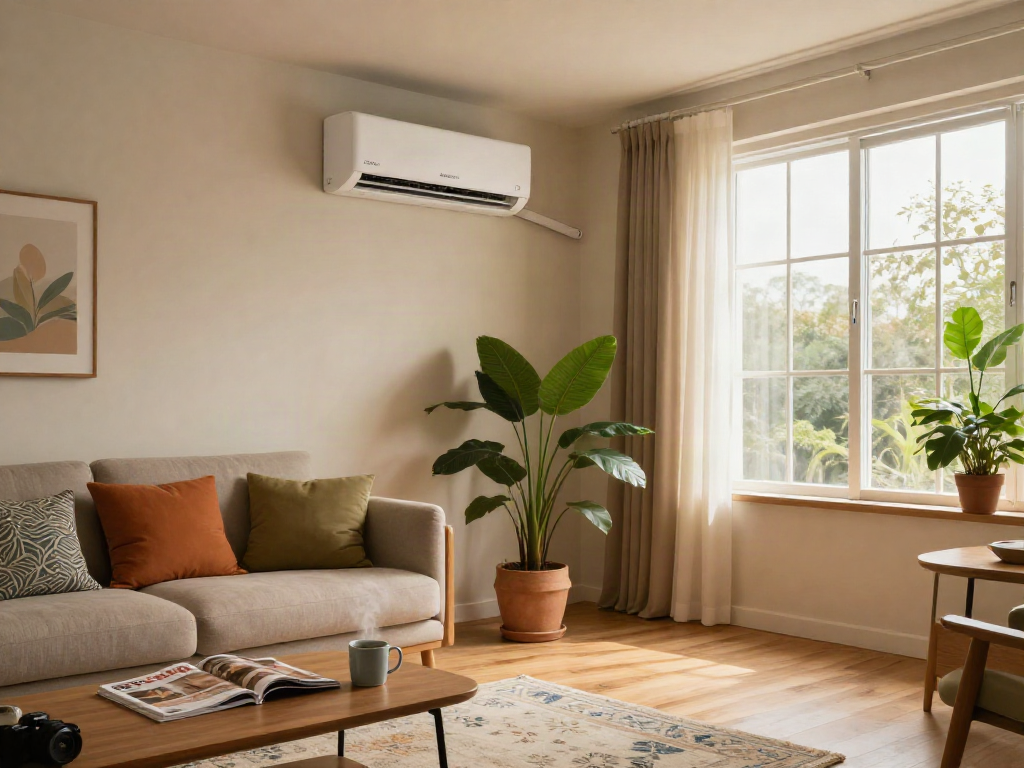
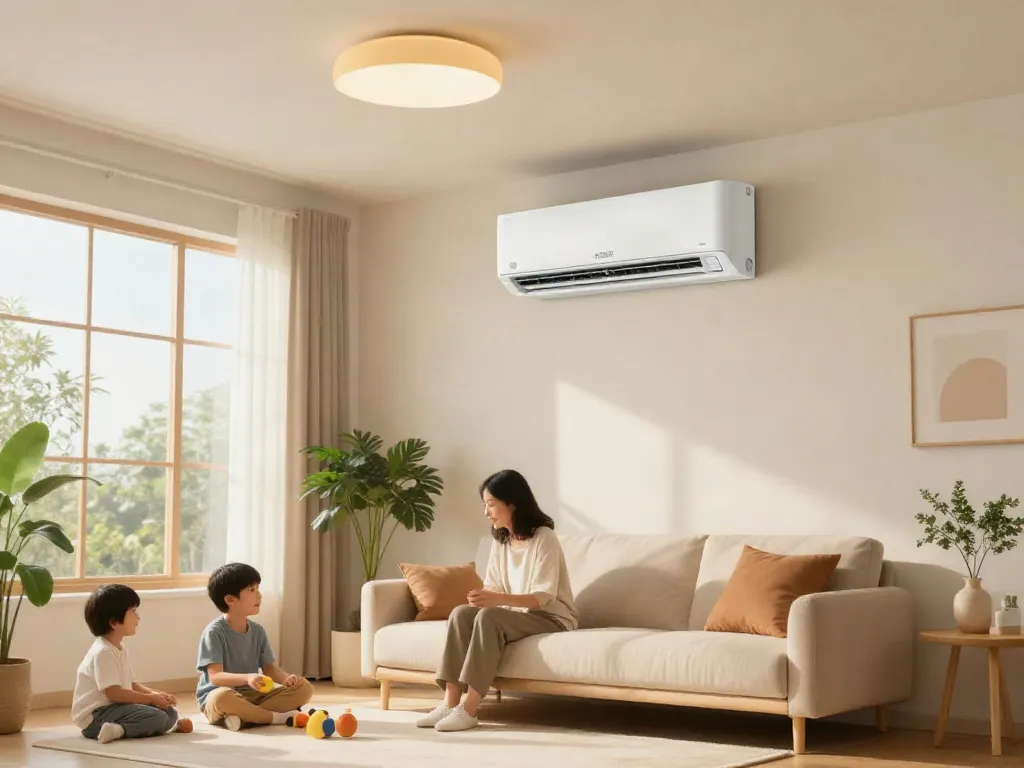
A mini split air conditioner is a ductless cooling system that offers significant flexibility and efficiency. Unlike traditional central air systems that require ductwork, mini splits consist of two main components: an indoor unit and an outdoor compressor. This design allows for easy installation and optimal energy efficiency, making them increasingly popular among homeowners and businesses alike.
Key Specifications of 24000 BTU Units
24000 BTU units fall under the two-ton category, making them suitable for spaces up to 1,500 square feet, depending on factors such as insulation and layout. Here are some key specifications:
- Cooling Capacity: 24,000 BTU
- Heating Capacity: Also typically 24,000 BTU for models equipped with a heat pump
- Energy Efficiency Ratio (EER): A higher EER indicates better energy efficiency
- Seasonal Energy Efficiency Ratio (SEER): 18+ is considered highly efficient for cooling
- Noise Levels: Ranges between 30 to 50 dB, depending on the model
Benefits of Mini Split Systems for Homeowners
Investing in a mini split system comes with numerous advantages:
- Energy Efficiency: Designed to reduce energy consumption significantly compared to traditional systems.
- Zoned Cooling: Allows you to cool specific areas, leading to potential energy savings.
- Flexible Installation: No ductwork needed, making installation easier and less invasive.
- Heating Capability: Many models can also function as heaters during winter months.
- Remote Control: Most units come with remote controls, enhancing convenience and user-friendliness.
Choosing the Right 24000 BTU Mini Split for Your Home
Factors to Consider Before Purchase
When selecting a 24000 BTU mini split system, consider the following factors:
- Room Size: Ensure the BTU capacity matches the dimensions and layout of your space.
- Energy Ratings: Look for models with high SEER and EER ratings for cost-effective operation.
- Installation Requirements: Evaluate the ease of installation to determine whether you need a professional.
- Brand Reliability: Research brands known for quality and support to avoid future issues.
Comparing Different Brands and Models
The market offers various brands, each with unique features. Leading players include Mitsubishi, LG, and Della, each boasting models that cater to diverse needs. It is vital to compare warranties, customer service ratings, and available features such as programmable timers, filters, and energy-saving modes.
Assessment of Energy Efficiency Ratings
Understanding energy efficiency ratings is crucial. The SEER rating measures the cooling output during a cooling season divided by the total electric energy input. A higher SEER indicates better energy efficiency. For modern units, a SEER rating of 14-24 is ideal, with 20 or higher being optimal for maximum savings over time.
Installation Insights for Mini Split Systems
Professional vs DIY Installation: Pros and Cons
Deciding between professional installation and DIY can affect costs and system performance. While DIY installation may save money, it is essential to consider the following:
- Pros of Professional Installation: Expert knowledge ensures optimal performance and warranty compliance.
- Cons of Professional Installation: Higher upfront costs.
- Pros of DIY Installation: Lower initial investment and a sense of accomplishment.
- Cons of DIY Installation: Risk of improper installation, potential warranty voiding.
Common Installation Mistakes to Avoid
Here are some typical missteps to avoid during installation:
- Incorrect placement of indoor and outdoor units can lead to inefficient performance.
- Overlooking the necessity for proper insulation of refrigerant lines.
- Improper electrical connections may cause malfunctions.
- Failing to follow the manufacturer’s guidelines can void warranties.
Recommended Tools and Equipment for Installation
For those opting for a DIY installation, having the right tools is essential. Common tools include:
- Drill and drill bits
- Refrigerant gauge and recovery machine
- Leveling tools
- Pipe wrenches
- Electrical tools for wiring connections
Maximizing Efficiency and Performance
Best Practices for Operating Your Air Conditioner
To ensure your mini split operates at peak efficiency, consider the following tips:
- Set your thermostat to a comfortable yet energy-efficient temperature.
- Keep doors and windows closed while the unit is in operation.
- Use programmable timers to schedule cooling during off-peak hours.
- Regularly clean and replace air filters to maintain air quality and efficiency.
Seasonal Maintenance Tips for Longevity
Proper maintenance can extend the life of your mini split system. Consider these seasonal tasks:
- Summer: Clean outdoor units of debris and check refrigerant levels.
- Winter: Cover outdoor units to protect against snow and ice.
- Year-round: Schedule professional maintenance annually for optimal performance.
Signs Your 24000 BTU Unit Needs Repair
Be aware of the following signs that may indicate a need for repair:
- Inconsistent cooling or heating
- Unusual noises or vibrations during operation
- Increased energy bills without a corresponding increase in use
- Foul odors coming from the unit
Future Trends in Mini Split Technology
Innovations in Energy Efficiency for 2026
As technology evolves, energy efficiency innovations continue to emerge. Expect advancements such as:
- Inverter technology improvements that optimize energy use.
- Smart thermostats integrated with AI for predictive cooling based on household patterns.
- Emerging refrigerants with lower global warming potential.
The Rise of Smart Home Integration
With the proliferation of smart home technology, expect mini split systems to become increasingly integrated with home automation systems. Features may include:
- Remote access via smartphone apps to monitor and control settings.
- Voice control compatibility with systems like Amazon Alexa and Google Assistant.
- Sensors that detect occupancy and adjust settings accordingly for efficiency.
Environmental Considerations and Sustainability Practices
In 2026, expect a greater emphasis on eco-friendly practices in mini split technology, including:
- Manufacturers focusing on sustainable production methods.
- Increased use of recyclable materials in unit design.
- Programs for recycling old units to reduce landfill waste.
What Are the Costs Associated with a 24000 BTU Mini Split?
The cost of a 24000 BTU mini split air conditioner can vary significantly based on the brand, model, and installation method. Typical cost factors include:
- Unit price: Ranges from $1,500 to $3,500 for the unit itself.
- Installation costs: Professional installation can add $500 to $2,000.
- Operating costs: Depending on energy rates, monthly bills can range from $50 to $150.
How Does Size Affect Cooling Efficiency?
The size of the air conditioning unit directly impacts its ability to cool effectively. An undersized unit will struggle to cool a space, while an oversized unit can lead to inefficient cycling and increased energy costs. Proper sizing ensures balanced airflow and temperature control.
Can 24000 BTU Systems Double as Heating Units?
Yes, many 24000 BTU mini split systems also serve as heat pumps, providing both cooling and heating capabilities. This dual functionality makes them a versatile choice for year-round comfort, particularly in regions with varying seasonal temperatures.