Understanding Text to 3D Technology
The emergence of 3D modeling technology has transformed the landscape of design and creativity across various industries. One of the most exciting advancements in this field is the ability to generate 3D models directly from textual descriptions. This revolutionary process known as Text to 3D has opened doors for designers, artists, and creators alike, allowing them to visualize their ideas in three dimensions with remarkable ease. As we delve deeper into this topic, we will explore its definition, how it works, its applications across different sectors, and the benefits it brings to the creative process.
What is Text to 3D?
Text to 3D is a cutting-edge technology that utilizes artificial intelligence (AI) to create 3D models from text prompts. Users can input descriptive phrases or sentences, and the system interprets these descriptions to produce detailed three-dimensional representations. This capability is particularly beneficial for designers who may lack specialized skills in 3D modeling but possess strong creative ideas they wish to bring to life.
How Text to 3D Works: An Overview
The process of converting text to 3D begins with natural language processing (NLP) algorithms that analyze the input text for keywords and contextual meaning. Once the AI comprehends the description, it employs a generative model to create a corresponding 3D object. This involves layering various geometric shapes, adjusting textures, and applying colors based on the textual input. Advanced platforms often include interactive features that allow users to modify and refine their models post-creation, ensuring the end result aligns with their vision.
Applications of Text to 3D in Various Industries
The applications of Text to 3D technology are vast and touch multiple fields including:
- Gaming: Developers can create assets, characters, and environments swiftly, enhancing the game design workflow.
- Architecture: Architects can visualize concepts based on descriptive briefs, aiding in client presentations and project proposals.
- Education: Educators can generate 3D models for teaching complex subjects, making learning more interactive.
- Marketing: Businesses can produce engaging visual content for advertising campaigns, capturing audience attention effectively.
Benefits of Using Text to 3D Solutions
Adopting text-to-3D solutions offers numerous advantages that can streamline workflows and enhance creativity. Below, we explore these benefits in detail.
Enhancing Design Efficiency with Text to 3D
One of the foremost benefits of Text to 3D technology is the significant increase in design efficiency. By allowing users to create complex models from simple text prompts, projects that would traditionally take hours or days can now be completed in mere minutes. This rapid prototyping capability empowers teams to iterate quickly, leading to faster decision-making and reduced time-to-market for products.
Cost Savings through Text to 3D Innovation
Text to 3D not only saves time but also cuts costs associated with traditional 3D modeling. With fewer resources needed for iterative design revisions and the elimination of the learning curve for complex modeling software, businesses can allocate budget towards other essential areas. This technology democratizes design, enabling smaller firms and independent creators to compete with larger organizations without the need for extensive financial investment.
Improving Collaboration in Creative Projects
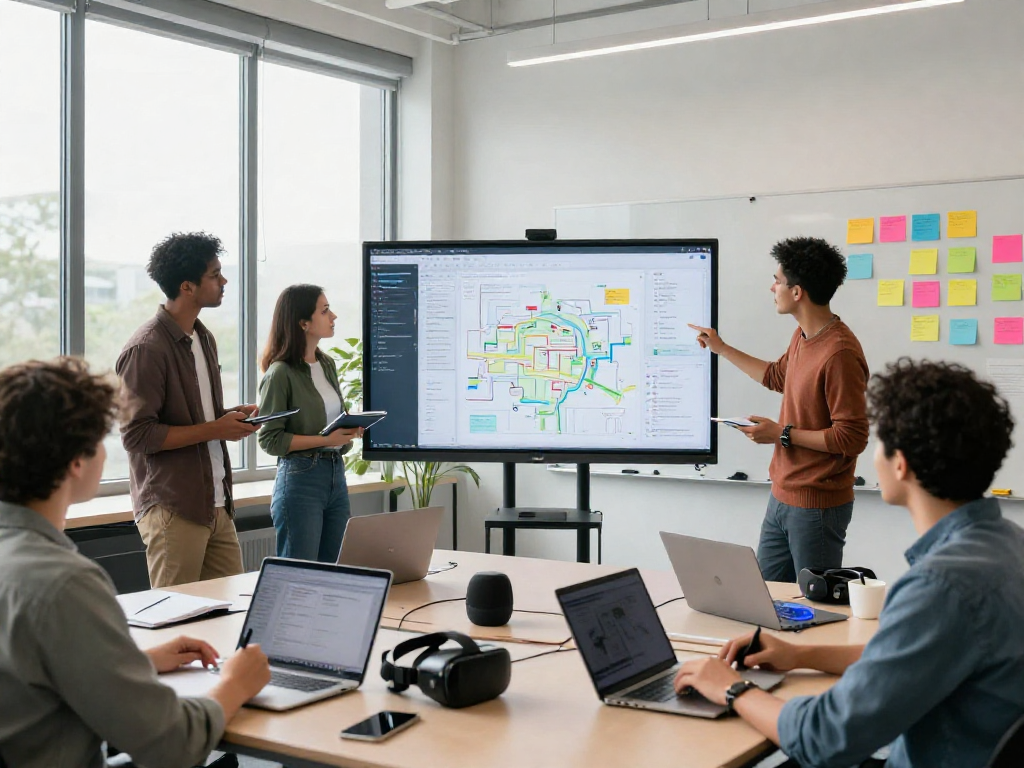
Collaboration often presents challenges, particularly when team members must communicate complex ideas visually. Text to 3D helps bridge this gap by enabling all team members to contribute to the design process, regardless of their technical ability. By generating 3D models from text alone, everyone can participate in discussions and provide feedback, fostering a more inclusive and collaborative environment.
Popular Tools and Platforms for Text to 3D Generation
With the rise of Text to 3D technology, several platforms have emerged that facilitate this process. Below, we review some leading tools that stand out in the market.
Review of Leading Text to 3D Softwares
Some notable applications that offer Text to 3D capabilities include:
- HexaGen: An automated platform for creating 3D models from text prompts and images, making it ideal for community-driven designs.
- Meshy AI: Known for its quick generation of production-ready models, it caters to game developers and 3D artists seeking versatility.
- Tripo: This tool provides high-quality outputs with sharp geometry, catering specifically to those in need of clean designs.
- Sloyd: Users can create numerous models from text or images while retaining control for customization without heavy manual work.
- Adobe Express: This platform allows for easy design generation of captivating headlines and logos in 3D, suitable for marketing materials.
Comparative Analysis of User-Friendly Platforms
When selecting a Text to 3D platform, ease of use is paramount. Many tools emphasize user-friendly interfaces, drag-and-drop functionalities, and intuitive design environments that make them accessible for beginners. While some platforms focus on professional-grade output, others are geared towards casual creators, offering various templates and support resources to assist in the design journey.
Integration of Text to 3D in Existing Design Workflows
Integrating Text to 3D tools within established workflows can enhance productivity significantly. Most platforms offer APIs or plugins that seamlessly connect with popular design software, allowing users to move between traditional modeling tools and text-based generation effortlessly. This hybrid approach ensures that designers can leverage both their existing skills and new capabilities, adapting to the growing demands of modern design environments.
Challenges in Implementing Text to 3D
Despite the advantages, implementing Text to 3D technology can come with its set of challenges, which organizations must navigate to harness its full potential.
Common Misconceptions about Text to 3D
There are several misconceptions surrounding Text to 3D that can hinder its adoption. One notable myth is that AI-generated models lack the creativity and nuance of human-made designs. While AI may not replicate human artistry perfectly, it can augment the creative process by providing a foundation for further refinement. Additionally, there is often a belief that these tools are only suitable for simple designs, while many platforms now offer advanced features for complex model creation.
Technical Barriers and Solutions
Technical barriers, such as internet connectivity and software limitations, can also pose challenges. Users may experience issues related to model size, rendering times, or varied output quality depending on their device capabilities. To overcome these barriers, it is crucial for users to choose platforms that provide cloud-based solutions, ensuring adequate processing power and storage for high-quality model generation.
Adapting to Rapid Technology Changes
The fast evolution of tech in the design sphere means that professionals must continually adapt to new tools and methodologies. Training and professional development are essential for leveraging the latest Text to 3D innovations. Organizations should invest in resources that help their teams stay abreast of trends and advancements, fostering a culture of continuous learning.
Future Trends in Text to 3D for 2026 and Beyond
As we look towards the future, several trends are set to shape the Text to 3D landscape significantly. Understanding these developments can help designers prepare and capitalize on new opportunities.
Emerging Technologies Influencing Text to 3D
Advancements in machine learning and computer vision are expected to enhance Text to 3D capabilities further. Improved algorithms will lead to more accurate interpretations of complex prompts, enabling the creation of intricate models that were previously unattainable. Additionally, the integration of virtual and augmented reality into the design process will provide new avenues for 3D visualization, allowing for immersive experiences directly from text descriptions.
Predictions for Artistic and Commercial Uses
In the realm of art, Text to 3D is predicted to inspire a new wave of creativity, allowing artists to explore forms and structures they may not have considered before. Commercially, businesses will increasingly utilize this technology to create bespoke products tailored to individual consumer preferences, driving home the importance of customization in today's marketplace.
Preparing for the Future of 3D Design
To stay ahead, designers should actively engage with the community surrounding Text to 3D, participating in forums, workshops, and courses. By networking and sharing insights, professionals can adapt their strategies to include these innovative tools within their projects, ensuring they remain competitive.
What are Text to 3D opportunities for different sectors?
Each industry has unique opportunities to leverage Text to 3D solutions. For instance, in healthcare, 3D modeling from text descriptions can assist in creating patient-specific anatomical models for surgical planning. In fashion, designers can visualize clothing concepts in three dimensions before creating samples. Understanding the specific needs of each sector will enable professionals to tailor their use of Text to 3D tools effectively, maximizing impact.