
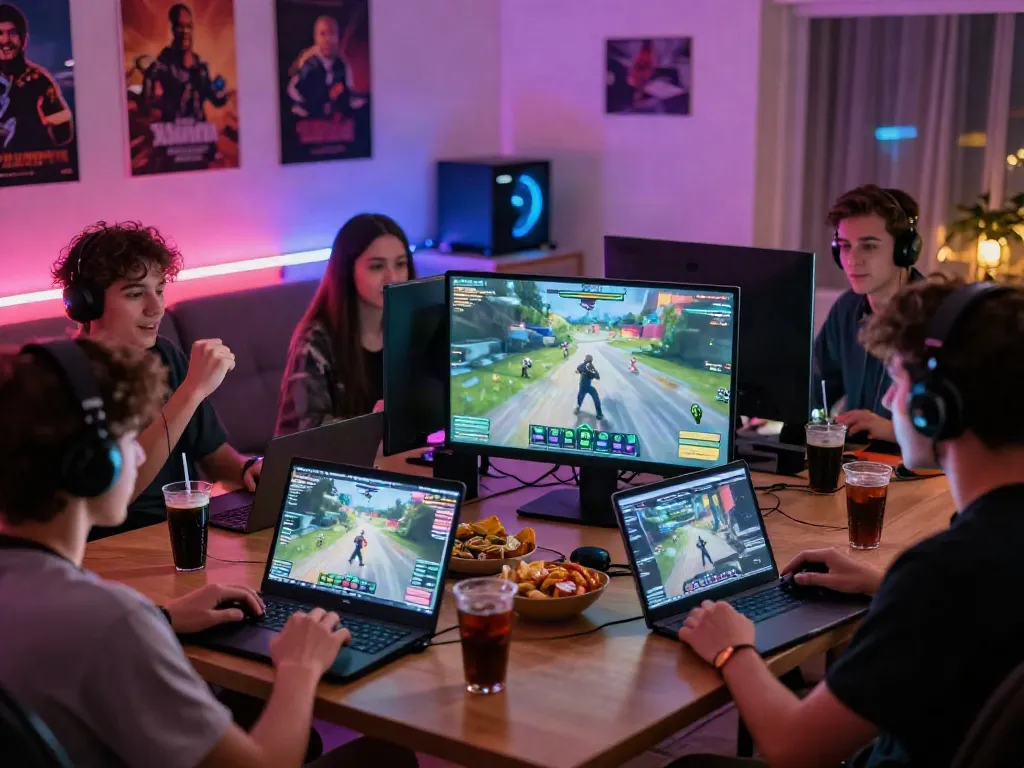
Understanding the Rise of Online Gaming
The world of online gaming has undergone a seismic shift in recent years, evolving from simple pixelated games to complex, immersive environments where players can interact with others across the globe. This transformation is driven by technological advancements, changing user preferences, and a growing community of gamers seeking new forms of entertainment. As we look towards 2026, understanding these dynamics becomes crucial for both players and developers alike. When exploring options, https://rokok88link.org provides comprehensive insights into the current gaming landscape.
The Evolution of Gaming Platforms
From the early days of console and PC gaming to the rise of mobile platforms, the evolution of gaming technology has been nothing short of remarkable. In the early 2000s, console gaming dominated the market, with systems like PlayStation and Xbox providing unparalleled gaming experiences. However, as smartphones became ubiquitous, mobile gaming exploded, allowing users to play anywhere, anytime. The growth of cloud gaming platforms further revolutionized access to high-quality games without the need for expensive hardware. Now, platforms like Google Stadia and NVIDIA GeForce Now allow gamers to stream content directly to their devices, changing how games are consumed.
Key Players and Their Impact
In the online gaming industry, key players such as Epic Games, Riot Games, and Activision Blizzard have defined trends and set benchmarks for quality and engagement. Fortnite, developed by Epic Games, not only redefined the battle royale genre but also showcased the economic potential of in-game purchases and seasonal events. Similarly, Riot Games’ League of Legends has created a massive esports ecosystem, promoting competitive gaming on a global scale. These companies have not only shaped the gaming content available but also influenced the social aspects of gaming through community-building strategies and live events.
User Preferences in 2026
As we navigate through 2026, user preferences have become more sophisticated, with players seeking deeper narratives, enhanced interactivity, and social connections within gaming environments. Gamers are increasingly drawn to games that offer not just entertainment but also a chance to connect with friends and build communities. This has led developers to focus on creating multiplayer experiences that foster collaboration and competition. Additionally, the demand for diverse gaming genres has grown, reflecting varied interests ranging from casual games to intricate role-playing experiences.
Community Building in Gaming
Community building has become a cornerstone of the gaming experience, transforming how players interact with one another and with the games they love. Online platforms host forums, social media groups, and streaming channels that allow players to share tips, tricks, and gameplay experiences.
The Role of Social Media in Gaming Communities
Social media platforms like Twitch, Twitter, and Discord have become vital tools for gamers to connect with one another. Twitch, for example, has emerged as a dominant force in live streaming, allowing gamers to showcase their skills, interact in real time, and build substantial followings. This interaction fosters a sense of community among players, who can share experiences and even engage in multiplayer sessions together. Moreover, social media campaigns around game launches often generate significant hype, drawing attention to new titles and fostering discussions within the community.
Engagement Through Streaming and Content Creation
Content creation through platforms like YouTube and TikTok has further strengthened community ties, enabling gamers to produce and share gameplay, reviews, and tutorials. This trend not only provides entertainment but also educates players about gameplay techniques and strategies. User-generated content is often seen as more authentic and relatable, enhancing community engagement and loyalty to certain games or platforms.
Challenges of Online Interaction
Despite the benefits of community interaction, online gaming also presents challenges. Issues like toxicity, harassment, and cyberbullying can undermine the gaming experience. Developers and platform owners are increasingly focusing on creating safe spaces for players by implementing stricter community guidelines, moderation policies, and reporting systems. Addressing these challenges is essential for fostering healthy gaming communities where everyone feels welcome and respected.
Technology Advancements Shaping Online Gaming
Technological advancements continue to drive innovation in the gaming industry, with significant impacts on user experience, gameplay mechanics, and overall engagement.
Impact of AR and VR on User Experience
Augmented Reality (AR) and Virtual Reality (VR) are two technologies that have begun to reshape the gaming landscape. VR enables players to enter fully immersive environments, transforming the way they interact with games. Titles like Beat Saber and Half-Life: Alyx have demonstrated the potential of VR to create engaging and realistic experiences. Meanwhile, AR games like Pokémon GO have successfully blended digital content with the real world, attracting millions of active users and fostering community engagement through live events.
Mobile Gaming Technologies in 2026
As mobile technology continues to evolve, so too does the range of gaming options available to mobile users. In 2026, advancements in 5G technology are expected to drastically reduce latency, allowing for seamless multiplayer experiences and enhanced graphics quality on mobile devices. Additionally, cloud gaming services will expand, enabling users to play high-end games without needing powerful hardware, thus democratizing access to gaming.
Security and Data Privacy Concerns
As the online gaming industry grows, so do concerns regarding security and data privacy. With millions of users sharing personal information across platforms, safeguarding this data becomes paramount. Developers are increasingly investing in robust security measures and transparent data usage policies to protect user information. Ensuring player safety not only builds trust but also leads to greater user retention and satisfaction.
Monetization Strategies in Online Gaming
Revenue generation in online gaming has seen a paradigm shift, with a variety of monetization strategies employed to maximize profits without alienating players.
Understanding Microtransactions
Microtransactions have become a staple in the online gaming revenue model, allowing players to purchase in-game currency, cosmetic items, and other enhancements. While this model can be lucrative, it often raises concerns regarding fairness and player satisfaction. Developers are now tasked with balancing monetization with user experience, ensuring that payments enhance rather than detract from gameplay.
Sponsorships and Brand Collaborations
Brand collaborations and sponsorships are increasingly common in the gaming industry, with companies seeking to engage with the gaming community. This partnership can take various forms, including in-game advertisements, sponsored tournaments, and influencer marketing. When executed authentically, these collaborations can enhance the gaming experience and provide additional revenue streams for developers.
Emerging Revenue Models
As player expectations shift, developers are exploring new revenue models beyond traditional purchases and microtransactions. Subscription services, akin to Netflix or Disney+, are gaining popularity, offering players access to a library of games for a monthly fee. This model not only provides predictable revenue for developers but also gives players the freedom to explore a variety of titles without financial commitment.
Future Trends and Predictions
The online gaming industry is poised for further evolution as we move beyond 2026, with trends shaping the future landscape of gaming experiences.
What to Expect in the Gaming Industry
As technology advances, we can expect to see even more immersive gaming experiences that utilize AI and machine learning. These technologies will enable adaptive gameplay, where games can learn from player behavior and adjust challenges accordingly, making gaming experiences more personalized and engaging.
Adapting to Post-Pandemic Gaming Landscapes
The COVID-19 pandemic has changed how people interact with gaming, increasing the demand for social gaming experiences. As we adapt to a post-pandemic world, there will likely be a continued emphasis on online multiplayer experiences that promote social interaction. Developers will need to focus on creating engaging content that encourages collaboration, competition, and community-building.
Predictions for Player Engagement and Retention
Looking ahead, player engagement and retention will remain critical for success in the gaming industry. Developers will need to focus on creating compelling narratives and innovative gameplay mechanics to capture and retain player interest. Furthermore, continuous content updates, seasonal events, and active community engagement will play significant roles in fostering long-term player loyalty.
What are the future trends in online gaming?
Future trends in online gaming are likely to revolve around the integration of more advanced technologies such as AI, machine learning, and enhanced VR/AR experiences, making games more interactive and personalized.
How has online gaming evolved in recent years?
Online gaming has evolved significantly due to advancements in technology, shifting user demographics, and the rise of community-focused gaming experiences, highlighting the importance of social interaction in gaming.
What challenges do online gaming communities face?
Online gaming communities face challenges such as toxicity, harassment, and ensuring user safety, necessitating robust moderation and community guidelines.
How is technology shaping gaming experiences?
Technology is reshaping gaming through innovations in AR and VR, improved mobile gaming capabilities, and enhanced online security measures, fundamentally altering user experiences.
What monetization strategies are effective in gaming?
Effective monetization strategies in gaming now include microtransactions, sponsorships, and subscription-based models, all aimed at maximizing revenue while maintaining player satisfaction.