
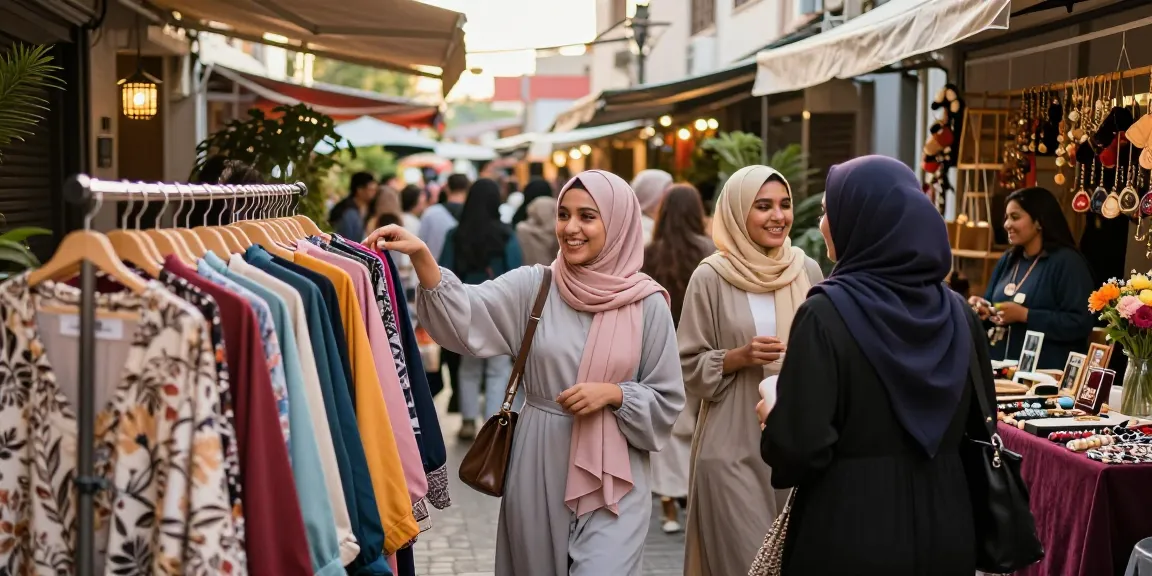
Understanding the Hijabi Store Concept
The concept of a Hijabi store is rooted in the growing demand for modest fashion that caters specifically to the needs and preferences of Muslim women. As global fashion trends evolve, these specialized stores offer a unique shopping experience that combines cultural significance with contemporary style. When exploring options, Hijabi store provides comprehensive insights into this thriving market.
What is a Hijabi Store?
A Hijabi store is a retail space dedicated to providing stylish, modest clothing for women who choose to wear the hijab. These stores curate collections that embrace the diversity of hijab fashion while adhering to the principles of modesty. Unlike traditional boutiques, Hijabi stores often focus on inclusive fashion, offering a range of sizes, styles, and fabrics that reflect the cultural heritage of their customer base.
Types of Products Offered
- Hijabs: Various styles, fabrics, and designs to suit different occasions.
- Modest Clothing: Dresses, skirts, tops, and pants designed with modesty in mind.
- Accessories: Jewelry, bags, and shoes that complement modest outfits.
- Activewear: Sports clothing that caters to women who wish to remain modest while exercising.
Target Audience and Market Trends
The target audience for Hijabi stores primarily consists of Muslim women, but they are also increasingly attracting non-Muslim customers who appreciate modest fashion. Current market trends indicate a shift towards more inclusive and diverse fashion, with many brands recognizing the importance of catering to varied cultural backgrounds. As awareness about modest fashion grows, the audience for Hijabi stores is expected to expand, leading to a surge in demand for quality products.
Exploring Fashion Trends in 2026
Fashion is ever-evolving, and 2026 is set to be a pivotal year for modest fashion, particularly in hijab styles. Trends indicate a fusion of cultures, where global influences reshape modest attire. This year will highlight innovative designs that appeal to the modern Hijabi consumer.
Innovative Styles and Designs
In 2026, the emphasis will be on innovative styles that break traditional molds. Expect to see asymmetrical cuts, layered outfits, and unique draping techniques that add flair to modest wear. Designers are exploring fabrics that allow for breathability while maintaining elegance, catering to the needs of women across various climates.
Sustainable and Ethical Fashion Practices
There is a growing awareness and demand for sustainability in fashion. Hijabi stores in 2026 will likely prioritize eco-friendly materials and ethical production methods. This approach not only appeals to the environmentally conscious consumer but also aligns with the values of many in the Muslim community who seek to make responsible purchasing decisions.
Color Palettes and Fabrics This Year
Color trends for 2026 will embrace earthy tones, soft pastels, and vibrant hues that reflect diverse cultural influences. Fabrics such as organic cotton, bamboo, and recycled materials will be in high demand, creating a balance between style, comfort, and sustainability.
Creating a Unique Shopping Experience
A unique shopping experience can differentiate a Hijabi store from competitors, increasing customer loyalty and satisfaction. In 2026, these experiences will become more personalized and engaging.
Visual Merchandising Strategies
Effective visual merchandising is crucial for attracting customers to a Hijabi store. This includes well-organized displays that showcase the latest trends and highlight specific collections. Stores will utilize technology, such as interactive displays and augmented reality, to enhance the shopping experience, making it more immersive.
Engaging Customer Interactions
Building strong relationships with customers through engaging interactions will be key. Hijabi stores will focus on personalized services, such as styling consultations and customization options, that cater to the individual preferences of shoppers. This approach fosters a sense of community and connection, encouraging repeat visits.
Online vs. In-Store Shopping Dynamics
The dynamics between online and in-store shopping are changing. While e-commerce continues to thrive, physical stores will need to offer unique experiences that cannot be replicated online. This might include exclusive in-store events, trunk shows, and workshops that engage the community while showcasing new collections.
Marketing Your Hijabi Store Effectively
Effective marketing is essential for the success of a Hijabi store in this competitive landscape. Emphasizing digital marketing strategies is more relevant than ever.
Digital Marketing Strategies for 2026
In 2026, digital marketing will encompass a multi-channel approach, utilizing social media, email campaigns, and influencer partnerships to reach a broader audience. Story-driven content that highlights customer experiences and showcases products will resonate well with potential buyers.
Building Community Engagement
Establishing a strong community presence can set a Hijabi store apart. Engaging with local events, sponsoring community initiatives, and collaborating with influencers in the modest fashion sphere will enhance brand visibility and trust.
Leveraging Social Media Platforms
Social media remains a powerful tool for Hijabi stores. Platforms like Instagram and TikTok will be utilized to showcase new collections, share styling tips, and create meaningful interactions. User-generated content, such as testimonials and outfit posts, will also drive organic engagement and foster a sense of community.
Future Outlook for Hijabi Fashion Retail
As we look ahead, the future of hijabi fashion retail appears promising, fueled by changing consumer behaviors and technological advancements.
Predictions for the Next Five Years
Over the next five years, we expect to see a significant increase in the variety and availability of hijabi fashion. As more brands enter the market, competition will lead to improved quality and more diverse offerings that appeal to a broader range of customers.
Adapting to Consumer Behavior Changes
Consumer behavior continues to shift, with an emphasis on personalization and convenience. Hijabi stores will need to adapt by offering tailored shopping experiences and streamlined purchasing processes, both in-store and online.
Emerging Technologies in Fashion Retail
The integration of emerging technologies, such as AI and machine learning, will play a crucial role in shaping the future of hijabi fashion retail. These technologies can enhance inventory management, predict trends, and personalize customer experiences based on shopping habits and preferences.
What common challenges do hijabi stores face?
Hijabi stores often encounter challenges such as limited product variety, cultural misconceptions, and competition from mainstream fashion retailers. Addressing these challenges requires a clear understanding of the target market and effective strategies to stand out.
How to choose the right collections for a hijabi store?
Successful selection of collections for a Hijabi store involves understanding customer preferences, keeping up with fashion trends, and ensuring a mix of styles that cater to various occasions. Regular feedback from customers can also guide future inventory choices.
How to maintain customer loyalty in fashion retail?
Maintaining customer loyalty requires consistent value, quality service, and engagement. Offering loyalty programs, exclusive discounts, and personalization can foster long-lasting relationships with customers.
What are the best marketing strategies for hijabi stores?
The best marketing strategies for Hijabi stores include leveraging social media influencer partnerships, creating engaging content, and building community connections through local events. A focus on storytelling and brand values will resonate with customers.
How to incorporate sustainability into a hijabi store?
Incorporating sustainability requires mindful sourcing of materials, ethical production practices, and promoting eco-friendly products. Educating customers about the importance of sustainability can also drive interest in a more responsible shopping approach.