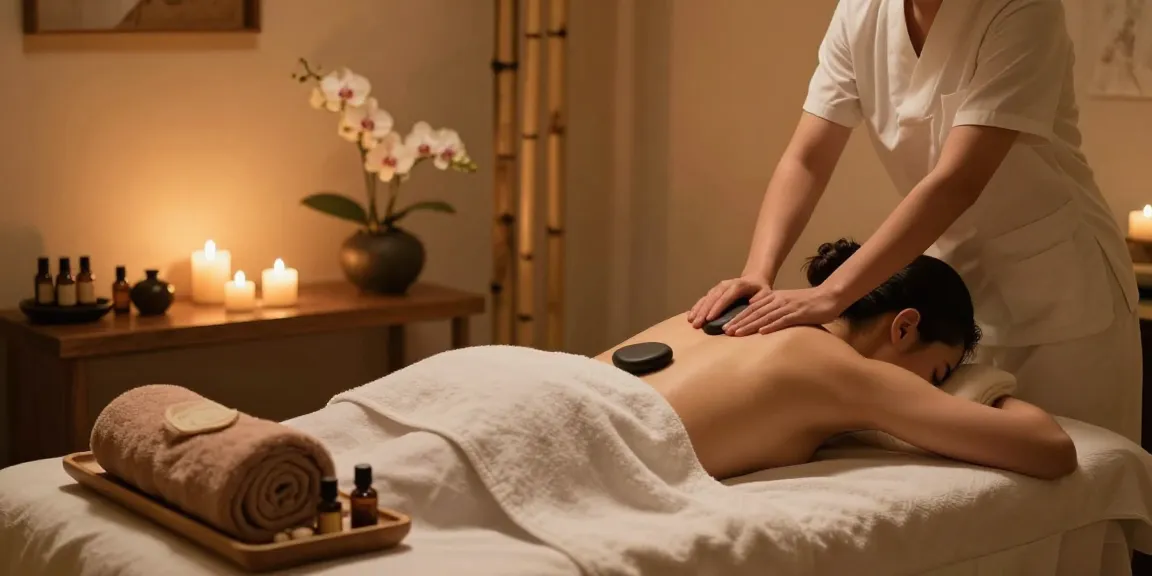
Experience LUCK8 spa treatments with rejuvenating massage therapy in a luxurious environment.

LUCK8 and the Freedom to Experience Premium Spa Treatment Bliss

The Art of Massage Therapy: Essential Benefits for Your Well-Being

Massage therapy transcends mere indulgence; it is an exquisite journey of self-discovery and healing. With every stroke, your body releases tension, while the soothing ambiance envelops you in a cocoon of serenity. The scent of calming essential oils dances in the air, inviting you to breathe deeply and let go of the stresses that cloud your mind. Whether you seek to relieve chronic pain or simply desire to unwind, the various forms of massage therapy cater to a spectrum of needs. The following explorations delve into the specific modalities that promise to revive both body and spirit. When exploring options for enhanced wellness, LUCK8 provides comprehensive insights into the world of holistic experiences.

1.1 Hot Stone Massage: A Therapeutic Escape

Hot stone massage is a wonderfully rejuvenating treatment that uses smooth, heated stones, typically basalt, to melt away tension. The warmth permeates deeply into tight muscles, promoting relaxation and enhancing blood flow. During a session lasting about 90 minutes, therapists strategically place stones at key points on the body, such as the back, hands, and feet, while incorporating traditional massage techniques. The combination of heat and skilled manipulation of your muscles releases stress and tension, allowing your mind to quieten and your body to heal.

1.2 Aromatherapy: Healing through Scents

Aromatherapy is as much an art as it is a science, utilizing the potent properties of essential oils to promote holistic well-being. When inhaled or absorbed during a massage, these oils can enhance your physical as well as mental health. Customarily, the process involves a gentle massage with blended oils—each chosen for its therapeutic benefits. For example, lavender promotes relaxation, while eucalyptus can relieve respiratory issues. Sessions typically last between 60 to 90 minutes, making them an ideal addition to your self-care regimen.

1.3 Deep Tissue Massage: Alleviating Tension

Deep tissue massage digs into the layers of muscle and connective tissue, targeting areas of chronic tension and soreness. This technique utilizes slower strokes and more intense pressure, making it effective for treating deep-seated issues within the body. Typically lasting 60 to 90 minutes, this massage focuses on specific areas, often leading to significant reduction in pain and improvement in mobility. It’s particularly suitable for athletes and those who lead a physically demanding lifestyle.

Revitalize Your Skin with Facials: Trends for 2026

The world of facials is evolving with revolutionary techniques and treatments that promise to rejuvenate and revitalize your complexion. As self-care continues to be a focal point in beauty regimens, the 2026 trends highlight the use of advanced technologies combined with natural ingredients for optimal results. Every facial service is designed to address specific skin concerns, from hydration deficiencies to aging effects.

2.1 LED Light Therapy: The Future of Skincare

LED light therapy is making waves in skin rejuvenation, utilizing different wavelengths of light to target various skin conditions. Red light boosts collagen production and reduces wrinkles, while blue light addresses acne by killing bacteria. Sessions, lasting around 30 minutes, can be seamlessly integrated into your skincare routine to amplify results from other treatments. This non-invasive method is gaining recognition for its effectiveness and minimal side effects.

2.2 Hydration Boosting Treatments: The Essentials for Radiance

In an age where hydration is essential to skin health, various treatments aim to infuse moisture into the skin. Techniques such as hydrafacials or microneedling with hyaluronic acid are designed to restore a youthful glow. These treatments generally last about an hour and can result in plumped, dewy skin that exudes vitality. The focus on hydration aligns perfectly with current beauty trends, prioritizing skin health above all.

2.3 Natural Ingredients: Holistic Approaches to Beauty

The resurgence of natural beauty products is a cornerstone in today’s skincare landscape. Treatments that utilize botanical extracts and organic compounds are not only beneficial but also gentle on the skin. Popular ingredients such as aloe vera, chamomile, and essential oils deliver soothing benefits with a holistic approach. Beauty aficionados are seeking these clean skincare options that enhance their health while promoting radiant skin. Facials incorporating these elements typically last around 60 minutes and can be customized to suit each individual’s skin type.

Holistic Healing: Integrating Wellness Retreats into Your Lifestyle

Wellness retreats are becoming essential for those seeking intensive self-care practices away from the hustle of daily life. These escapes allow participants to immerse themselves in nature, mindfulness, and rejuvenating activities. Ranging from weekend getaways to week-long adventures, wellness retreats cater to various preferences and needs, enabling participants to restore balance and harmony in their lives.

3.1 The Power of Meditation and Mindfulness

Meditation has been practiced for centuries and is a powerful tool for reducing stress and enhancing focus. Wellness retreats focusing on these practices often integrate guided sessions with nature walks and journaling, providing participants with the tools to carry their experience forward into daily life. A typical retreat offers workshops lasting a few hours each day dedicated to exploring different mindfulness techniques.

3.2 Yoga Retreats: Rejuvenation Awaits You

Yoga retreats have surged in popularity, combining physical postures with emotional healing and spiritual awakening. Many retreats offer daily yoga sessions alongside workshops focused on healthy living, nutrition, and stress management. Participants can expect to attend classes lasting from one hour up to an entire afternoon, providing numerous opportunities to deepen their practice amidst tranquil settings.

3.3 Comprehensive Health: Balancing Body and Mind

Integrating holistic health practices, these retreats often feature activities such as herbal medicine workshops, cooking classes with organic ingredients, and health assessments. Comprehensive health programs lasting several days emphasize personal growth alongside physical, mental, and emotional restoration, making them valuable for anyone looking to overhaul their lifestyle.

Innovations in Beauty Services: What You Need to Know

As beauty services evolve, a myriad of innovative treatments are paving the way for luxurious self-care experiences. These advancements not only enhance aesthetic appeal but also promote long-term health and wellness.

4.1 Body Contouring: Advances in Non-Invasive Techniques

Body contouring has emerged as a popular option for those wishing to sculpt their figures without undergoing invasive surgery. Non-invasive techniques such as cryolipolysis (fat freezing) and ultrasound therapy are on the rise and promise effective results without downtime. Treatments generally last anywhere from 30 to 90 minutes depending on the targeted area, allowing you to incorporate them easily into your routine.

4.2 Seasonal Spa Treatments: Adapting to Changes

Embracing the changing seasons, many spas are now offering seasonal treatments that reflect the natural rhythms of the environment. From hydrating treatments in the winter to cooling facials in the summer, these specialized therapies utilize seasonal ingredients for refreshing results tailored to your skin’s needs. Each treatment usually lasts around 60 minutes and can become an essential part of maintaining your overall skin health year-round.

4.3 Anti-Aging Treatments: Staying Youthful

Advancements in anti-aging treatments, including dermal fillers and innovative chemical peels, have revolutionized how we approach skin rejuvenation. These options, which often last between 30 minutes to an hour, can quickly enhance your appearance by restoring lost volume or smoothing out fine lines. Understanding the various options available ensures you maintain a youthful complexion through tailored treatments to meet your unique needs.

Self-Care Rituals: Creating Your Home Spa Experience

While visiting a spa provides unparalleled luxury, you can recreate a soothing environment within your home. Cultivating self-care rituals turns mundane routines into moments of relaxation, helping to enhance your overall well-being.

5.1 Skincare Routine: Essentials for Daily Care

A consistent skincare routine is pivotal in preserving skin vitality. Incorporating cleansers, toners, serums, and moisturizers that suit your skin type can create a foundation for a radiant complexion. Consider including weekly treatments such as exfoliation and masks to maintain that fresh glow. Spending a few minutes caring for your skin each day can transform how you feel about yourself.

5.2 DIY Home Spa Techniques: Luxurious Treatments at Home

Transform your bathroom into a personal spa haven with simple DIY techniques. Create a tranquil atmosphere with soothing music, aromatic candles, and warm towels to enhance the experience. You can also try easy at-home facial masks comprising natural ingredients such as honey or avocado, allowing you to indulge without breaking the bank.

5.3 Nail Art Trends: Express Yourself with Style

Nail art has become a popular form of self-expression, showcasing creativity and style. For more information, Đá Gà LUCK8 offers valuable insights. Techniques such as gel manicures and intricate designs allow individuals to enhance their overall look while providing a sense of creativity and fun during self-care routines. Explore different colors, textures, and patterns to make each set of nails reflect your personal style.
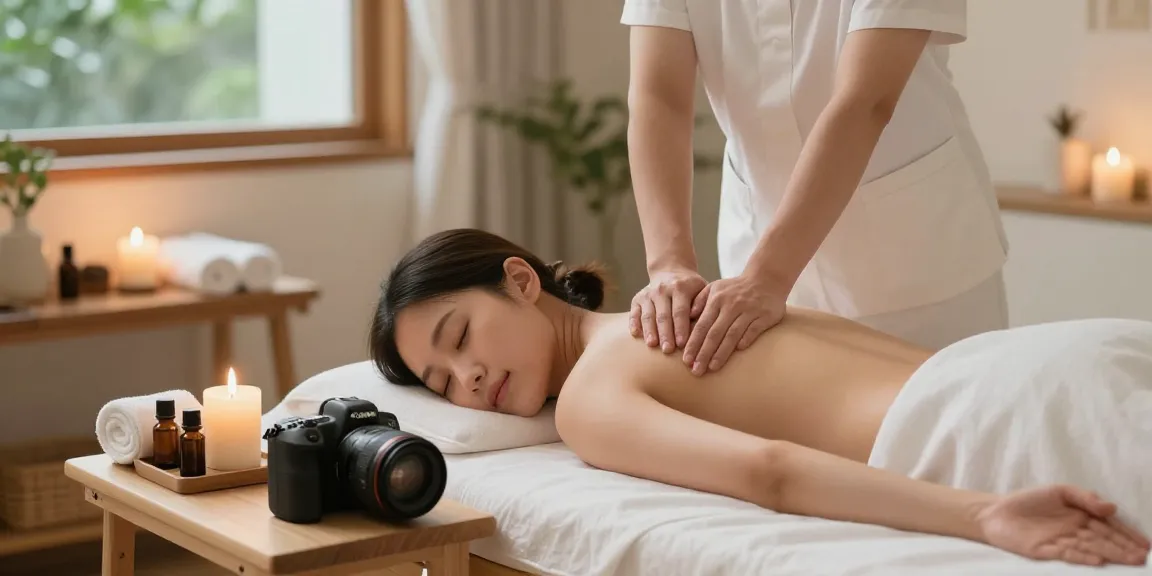
Relaxation at home with a professional giving a 사당출장마사지, creating a serene spa atmosphere.

How to Optimize Your 사당출장마사지 Experience for Ultimate Relaxation in 2026

Understanding the Benefits of 사당출장마사지

In a fast-paced world where stress often prevails, finding a moment of tranquility is essential for maintaining both physical and mental health. This is where 사당출장마사지, or Sadang home massage, comes into play. This service offers not just relaxation but a host of benefits that can enhance your overall well-being.

What is 사당출장마사지?

사당출장마사지 refers to massage services provided directly in the comfort of your home or chosen location in Sadang, a lively district known for its accessibility and variety of services. Typically, this service includes a range of massage techniques tailored to the individual needs of clients, such as Swedish, deep tissue, and aromatherapy massages. By eliminating the need to travel to a spa, it allows clients to unwind in a familiar environment, which can significantly enhance the relaxation experience.

Physical and Mental Health Benefits

The benefits of 사당출장마사지 extend beyond mere relaxation. Regular massage therapy can provide:

  • Reduced Muscle Tension: Tension in muscles can lead to stiffness and pain. Targeted massage techniques help alleviate this strain, improving mobility.
  • Stress Relief: Massage has been shown to lower cortisol levels in the body, promoting a sense of calm and reducing stress.
  • Enhanced Mood: The release of endorphins during a massage can lead to improved mood and overall emotional well-being.
  • Improved Circulation: Massage stimulates blood flow, which can help reduce fatigue and increase energy levels.

How It Differs from Conventional Spa Treatments

While both 사당출장마사지 and traditional spa treatments offer relaxation, they differ significantly in experience and accessibility. Traditional spas require travel, which can be a source of stress. In contrast, 출장마사지 provides convenience by coming to you. Additionally, the private nature of home services often enables clients to feel more at ease, allowing them to fully relax and enjoy the benefits of their treatment without any distractions.

Choosing the Right Service Provider for Your Needs

When selecting a 출장마사지 service, it’s crucial to consider several factors to ensure you receive the highest quality experience. The following criteria can help guide your decision:

Criteria for Selecting a Professional

  • Qualifications and Credentials: Look for providers with professional training and certifications in massage therapy to ensure they are skilled in various techniques.
  • Experience: Choose providers who have significant experience, as they are more likely to understand client needs and preferences.
  • Specializations: Some therapists may specialize in specific massage techniques (e.g., sports massage, prenatal massage) that could cater to your individual needs.

Evaluating Service Quality and Reviews

Online reviews and testimonials can provide insight into the quality of service offered by a 출장마사지 provider. Look for consistently positive feedback regarding the therapist’s professionalism, skill level, and approach to client care. Additionally, platforms that allow for real-time feedback can help you gauge client satisfaction.

Questions to Ask Before Booking

  • What types of massage do you offer?
  • Can you accommodate specific health concerns or conditions?
  • What are your rates and payment options?
  • Do you provide your own equipment, or should I have anything ready?

Preparing for Your 사당출장마사지 Appointment

To maximize the benefits of your 출장마사지 experience, preparation is key. Here are essential steps to take before your appointment:

Setting the Right Environment at Home

Creating a serene environment can significantly enhance your massage experience. Consider dimming lights, playing soft music, and keeping the room at a comfortable temperature. Make sure to clear any clutter and create a tranquil space where you can fully relax.

What to Communicate to Your Therapist

Effective communication with your massage therapist is critical. Be open about areas of tension, any previous injuries, and your preferences regarding pressure. This information helps the therapist tailor the session to meet your needs.

Post-Massage Self-Care Recommendations

After your session, take the time to care for yourself to prolong the benefits of the massage. Stay hydrated, rest, and consider gentle stretching exercises to maintain flexibility.

Common Misconceptions about 사당출장마사지

Despite the growing popularity of 사당출장마사지, several misconceptions persist. Addressing these can help potential clients make informed decisions:

Addressing Myths and Truths

  • Myth: Massage is only for luxury or indulgence. Truth: Massage can be a necessary part of self-care and has significant health benefits.
  • Myth: All massages are painful. Truth: The pressure can be adjusted according to personal preference, making it a comfortable experience.

Understanding Pricing Structures

Pricing for 사당출장마사지 can vary widely based on factors such as the therapist’s experience, the type of massage, and the duration of the session. Be sure to inquire about pricing upfront to avoid surprises.

Debunking Safety Concerns

  • Ensure the therapist adheres to hygiene protocols to minimize health risks.
  • Verify that the therapist is licensed and insured, providing an extra layer of safety.

Future Trends in Home Massage Services by 2026

The massage therapy industry is continually evolving. Here are some trends to watch in the upcoming years:

Emerging Technologies in Massage Therapy

Advancements in technology are changing the way massage services are offered. Virtual consultations and booking systems make it easier for clients to connect with therapists.

Personalization and Customization Trends

With a growing emphasis on personalized health care, more clients are seeking customized massage experiences tailored to their specific physical and emotional needs. This trend is likely to shape the future of home massage services.

Anticipating Changes in Consumer Preferences

As clients become more health-conscious, the demand for holistic and therapeutic massage options will likely increase, driving service providers to adapt accordingly.

What is the average cost of a 사당출장마사지?

The average cost for 사당출장마사지 ranges based on the type of massage and the therapist’s experience. Typically, sessions can range from $70 to $150, and many providers offer package deals for multiple sessions.

How do I prepare my home for a massage?

Preparing your space involves creating a calming environment, ensuring the room is clean and comfortable, and setting up any equipment required (like a massage table, if necessary).

Are there any specific health benefits of 사당출장마사지?

Absolutely! In addition to general relaxation, 사당출장마사지 can alleviate chronic pain, improve flexibility, and enhance mental clarity, making it a beneficial addition to any wellness routine.

How can I ensure a safe massage experience?

Ensuring a safe experience involves choosing a reputable therapist, communicating openly about your health history, and confirming that safety measures are in place.

What should I expect during my first 사당출장마사지?

During your first appointment, expect an introductory consultation where the therapist will discuss your needs, preferences, and any health issues before beginning the massage.

Experience ultimate comfort and relaxation with lift chairs with heat and massage in a cozy living room.

The Benefits of Lift Chairs with Heat and Massage for Enhanced Comfort

Understanding Lift Chairs with Heat and Massage

What are Lift Chairs?

Lift chairs are specialized recliners designed to assist individuals in standing up from a sitting position with ease. They are invaluable for those facing mobility challenges due to aging, disability, or injury. Lift chairs come equipped with a lifting mechanism that smoothly raises the chair from its base, allowing the user to transition safely from a seated to a standing position. Beyond functionality, many of these chairs offer features that enhance comfort, such as adjustable reclining positions and customizable upholstery. A particularly appealing aspect of lift chairs is the option to include lift chairs with heat and massage, which elevate the chair’s therapeutic benefits.

Features of Heat and Massage Options

Heat and massage features in lift chairs transform them from simple mobility aids to comprehensive wellness solutions. The heat function typically includes a heating pad integrated into the chair, providing warmth to alleviate muscle tension and improve circulation. The massage component may offer several settings, ranging from gentle vibrations to more vigorous kneading, targeting specific muscle groups such as the lower back, legs, and neck. These features can be controlled through a wired or wireless remote, giving users the ability to customize their relaxing experience. Some advanced models even include multiple massage modes, intensities, and heat levels, catering to individual preferences.

Who Benefits from These Chairs?

Lift chairs with heat and massage functions are beneficial for a diverse range of users. Elderly individuals often experience common ailments such as arthritis, back pain, and circulatory issues. The soothing heat and targeted massage can relieve pain and discomfort, making everyday activities more manageable. Individuals recovering from surgery or injury also find these chairs advantageous, as they can help ease muscle stiffness and promote healing. Additionally, anyone who experiences chronic stress or muscular tension may enjoy the therapeutic effects of these features, making lift chairs an appealing option for those seeking comfort and well-being.

Choosing the Right Lift Chair

Key Factors to Consider

When selecting a lift chair, it is crucial to evaluate several key factors to ensure the best fit for the user’s needs. Consider the chair’s size and weight capacity, as models can vary significantly. It’s essential to measure both the intended user and the space available in the home. Additionally, the type of fabric is important; choose between materials that offer durability, comfort, and ease of cleaning. Opting for chairs with easy-to-operate controls is also vital, especially for users who may struggle with dexterity.

Customization Options

Customization is a significant advantage when selecting lift chairs. Many manufacturers offer a range of upholstery choices, from fabrics to colors that can match any decor. Furthermore, users can select specific features, such as the type of massage (rolling, kneading, or vibration), heat settings, and additional accessories like cup holders or storage pockets. The ability to tailor these options ensures that each lift chair meets the unique preferences and requirements of its user.

Top Features to Look For

When searching for the ideal lift chair, it’s beneficial to focus on several top features that enhance functionality and comfort. Look for chairs that offer a broad range of recline angles, as this provides personalized comfort and support. A durable lifting mechanism is also critical; ensure it can handle frequent use over the years. Additionally, a remote control with intuitive buttons allows for easy operation. Finally, consider models that include battery backup systems, ensuring functionality even during power outages.

Health Benefits of Heat and Massage

Muscle Relaxation and Pain Relief

The use of heat and massage in lift chairs provides substantial benefits for muscle relaxation and pain relief. Heat therapy works by increasing blood flow to areas in pain, promoting faster healing and reducing inflammation. When paired with massage, the combination helps to alleviate chronic pain conditions, muscle soreness, and tension headaches. Users often report improved mobility and reduced discomfort following regular use of these features, significantly enhancing their daily quality of life.

Improved Circulation

Improved circulation is another critical health benefit derived from using lift chairs with heat and massage. The gentle massage action helps stimulate blood flow, which is especially beneficial for individuals with circulatory issues or those who spend prolonged periods sitting. Enhanced circulation can lead to better oxygen delivery to muscles and organs, reducing the risk of conditions like deep vein thrombosis (DVT). Over time, regular use of such features can contribute to increased overall health and vitality.

Enhanced Mental Well-being

The mental health benefits of using lift chairs with heat and massage are often overlooked. The combination of heat and massage can significantly reduce stress and anxiety levels. This therapeutic experience promotes relaxation and releases endorphins, contributing to a sense of well-being and improved mood. Regular use can serve as a vital component of self-care, providing a necessary escape from daily stresses that can impact mental health negatively.

Care and Maintenance for Longevity

Cleaning and Care Tips

To ensure the longevity of your lift chair, regular cleaning and maintenance are essential. Depending on the upholstery material, vacuuming the chair regularly can help avoid dust and debris buildup. For fabric chairs, spot cleaning with a mild detergent can remove stains. If the chair has leather upholstery, use a leather conditioner periodically to keep it supple and prevent cracking. Always follow the manufacturer’s guidelines regarding cleaning to avoid damaging the material or mechanism.

Regular Maintenance Practices

Regular maintenance practices play a vital role in ensuring the chair operates effectively over time. It’s advisable to check the remote control and lifting mechanisms frequently. Confirm that all parts move smoothly without any obstruction, and lubricate parts as recommended by the manufacturer. Conduct visual inspections for wear and tear, ensuring no wires are exposed and that all components are functioning as intended. Timely intervention in case of minor issues can prevent more significant problems down the line.

Addressing Common Issues

Addressing common operational issues promptly can extend a lift chair’s lifespan. Unresponsive remotes may indicate battery issues, and replacing them should be the first step. If the chair does not lift or recline correctly, it may be due to misalignment or a power issue, which might require consulting the user manual or contacting a professional technician. Keeping an eye on these small issues will help maintain the chair’s functionality and comfort level.

Frequently Asked Questions

What are the advantages of heat in lift chairs?

Heat in lift chairs promotes relaxation, alleviates muscle tension, and enhances circulation, providing comfort for various ailments.

Can I use lift chairs with heat and massage daily?

Yes, lift chairs with heat and massage can be used daily, as they are designed for frequent use to enhance comfort and well-being.

Are there different sizes for lift chairs?

Lift chairs come in various sizes to accommodate different body types, ensuring that users find a comfortable fit.

How long do lift chairs typically last?

With proper care and maintenance, lift chairs can last between 7 to 10 years, depending on usage and build quality.

Are the heat and massage functions adjustable?

Yes, most lift chairs allow users to adjust heat and massage functions, offering personalized settings for comfort.

Understanding back pain causes through a professional chiropractic adjustment in a serene environment.

Uncovering Back Pain Causes: Insights and Solutions for Relief

Understanding Back Pain Causes

Back pain is a prevalent issue affecting millions of individuals worldwide, significantly impacting quality of life and productivity. The reasons behind this discomfort can vary widely, ranging from simple muscle strains to complex medical conditions. Understanding back pain causes allows for better management and prevention strategies, leading to healthier lifestyles.

Anatomy of Back Pain

The human back comprises numerous structures, including vertebrae, discs, muscles, ligaments, and nerves. Each of these components plays a crucial role in supporting the body and facilitating movement. When any part of this intricate system is compromised—through injury, degeneration, or illness—the result can be debilitating pain. For instance, herniated discs can press on nerves, leading to localized discomfort or radiating pain down the legs.

Common Triggers

Several common triggers can lead to back pain, including:

  • Injuries: Sudden trauma during sports or heavy lifting can cause immediate back pain.
  • Degenerative Disc Disease: Natural wear and tear on spinal discs can result in chronic pain.
  • Poor Posture: Slouching or maintaining awkward positions for prolonged periods can lead to muscle fatigue and pain.
  • Obesity: Excess weight adds strain to the spine, increasing the risk of injury and pain.
  • Stress: Emotional stress can cause muscle tension in the back, contributing to pain.

How Lifestyle Affects Back Pain Causes

Lifestyle choices significantly influence back pain risks. Sedentary behavior can weaken muscles and contribute to weight gain, while regular physical activity strengthens and stabilizes the back. Similarly, dietary choices that promote inflammation can exacerbate existing conditions. Engaging in regular exercise, maintaining a healthy weight, and adopting ergonomic practices can mitigate many back pain causes.

Acute vs. Chronic Back Pain Causes

Defining Acute Back Pain

Acute back pain typically arises suddenly and is often tied to a specific injury or incident, such as lifting a heavy object. This type of pain can last from a few days to several weeks but usually resolves within a short time. Acute pain serves as a warning signal, prompting the body to protect itself from further injury.

Understanding Chronic Back Pain

Chronic back pain is usually defined as pain lasting three months or longer. It can arise from various underlying conditions, such as arthritis or degenerative disc disease, and may not always correlate with visible injuries. Managing chronic pain often involves a multifaceted approach, including physical therapy, medication, and lifestyle modifications.

Differences and Implications for Treatment

Recognizing the distinction between acute and chronic back pain is vital for appropriate treatment. Acute pain may respond well to anti-inflammatory medications or rest, while chronic pain may require a more extensive treatment plan, including physical therapy and pain management strategies. Mismanagement of chronic pain can lead to worsening symptoms and reduced quality of life, emphasizing the importance of early intervention.

Impact of Posture on Back Pain Causes

How Poor Posture Contributes to Back Pain

Poor posture, whether from slouching at a desk or improper lifting techniques, places undue stress on the spine and surrounding muscles. This unbalanced pressure can lead to muscle fatigue, herniated discs, or nerve compression, all of which contribute to pain. Over time, habitual poor posture can create a feedback loop, worsening pain and discomfort.

Postural Correction Techniques

Implementing postural correction techniques is essential in mitigating back pain. Simple practices include:

  • Ergonomic adjustments to your workspace.
  • Regular breaks to stretch and move around.
  • Strengthening core muscles to support a healthier spine alignment.

Ergonomics in Everyday Life

Adopting ergonomic principles in daily activities can significantly reduce the risk of pain. For example, using chairs with proper lumbar support, positioning computer screens at eye level, and utilizing footrests can alleviate strain. Practicing ergonomic habits during both work and leisure activities helps maintain spinal health.

Treatment Options for Back Pain Causes

Physical Therapy and Exercise

Physical therapy is a critical component in treating back pain. Tailored exercise programs focusing on strengthening, flexibility, and posture correction can substantially reduce pain over time. Therapists often employ techniques such as manual therapy, hydrotherapy, and guided exercise to facilitate recovery.

Medications and Alternatives

Various medications and alternative treatments are available for managing back pain. Nonsteroidal anti-inflammatory drugs (NSAIDs) can relieve pain and inflammation, while muscle relaxants may alleviate muscle tension. Alternative therapies like acupuncture, chiropractic care, and massage therapy can also provide relief, particularly for chronic pain sufferers.

When to Seek Surgery

In severe cases where conservative treatments fail, surgical options may become necessary. Indications for surgery often include significant nerve compression, ongoing disability, or debilitating pain that doesn’t respond to other treatments. A thorough consultation with a healthcare provider is essential to determine the best course of action.

Preventive Measures for Back Pain Causes

Strengthening Your Back

Proactively strengthening the back and core muscles can play a vital role in preventing injuries. Incorporating exercises such as planks, bridges, and back extensions into your routine enhances muscle support and spinal stability.

Healthy Habits to Prevent Back Pain

Establishing healthy habits is crucial for back pain prevention. This includes maintaining a healthy weight, practicing good posture, and integrating regular physical activity into your life. Mindfulness practices, such as yoga and tai chi, can also promote back health.

Regular Checkups and Self-Care

Regular checkups with healthcare professionals can help identify potential issues before they escalate. Additionally, self-care practices, such as heat therapy or gentle stretching, can relieve discomfort and support overall back health.

FAQs about Back Pain Causes

1. What are the most common causes of back pain?

The most common causes of back pain include muscle strains, herniated discs, degenerative disc disease, and poor posture.

2. Can stress cause back pain?

Yes, stress can lead to muscle tension and exacerbate existing back pain due to the body’s stress response.

3. Is it normal for back pain to come and go?

Yes, it’s common for back pain to fluctuate, especially with activities or daily routines that strain the back.

4. Can exercise help alleviate back pain?

Yes, regular exercise can strengthen back muscles, improve flexibility, and reduce the severity of back pain.

5. When should I see a doctor for back pain?

You should see a doctor if back pain persists for more than a few weeks, is severe, or is accompanied by other symptoms like numbness.

Patient discussing symptoms of 焦慮症 with a psychiatrist in a calming clinic.

Effective Strategies for Managing 焦慮症 in 2026: A Professional Guide

Understanding 焦慮症: What You Need to Know

焦慮症, commonly referred to as anxiety disorder, represents a significant mental health challenge for many individuals, particularly in fast-paced urban environments like Hong Kong. This condition manifests through various symptoms and can greatly affect daily life, making it crucial to understand its nuances. People who experience excessive fear or worry about everyday situations may find themselves in a continuous cycle of distress, impacting their overall quality of life. When exploring options, 焦慮症 provides comprehensive insights into the symptoms and available treatments that can help individuals regain control.

Defining 焦慮症 and Its Symptoms

焦慮症 is characterized by an overwhelming sense of unease or worry that can interfere with daily activities. Common symptoms include:

  • Persistent worrying about various aspects of life such as work, health, or social situations
  • Physical symptoms like increased heart rate, sweating, trembling, and fatigue
  • Difficulty concentrating or controlling feelings of worry
  • Sleep disturbances, including insomnia or restless sleep
  • Feeling restless or keyed up, making it hard to relax

Understanding these symptoms is essential for identifying the disorder early and seeking appropriate help.

Common Causes and Triggers of 焦慮症

There are several factors that may contribute to the development of 焦慮症. These include:

  • Genetic predisposition: A family history of anxiety disorders can increase the likelihood of developing similar conditions.
  • Brain chemistry: Imbalances in neurotransmitters can play a role in anxiety levels.
  • Stress and trauma: Life events such as the loss of a loved one, job loss, or traumatic experiences can trigger anxiety disorders.
  • Medical conditions: Certain health issues, including chronic illnesses, can exacerbate anxiety symptoms.

How 焦慮症 Differs from General Anxiety

While everyone experiences anxiety in response to stress, 焦慮症 is distinguished by its intensity and persistence. General anxiety is a normal reaction to stressful situations, whereas 焦慮症 involves chronic fear or worry that disrupts daily functioning. Understanding this difference is crucial for effective treatment.

Identifying the Signs: Is It 焦慮症?

Recognizing the signs of 焦慮症 can help individuals seek timely support and interventions. The manifestations of this disorder can be categorized into three main types: physical symptoms, cognitive effects, and behavioral changes.

Physical Symptoms of 焦慮症

The physical symptoms are often the most noticeable and can include:

  • Heart palpitations or racing thoughts
  • Unexplained muscle tension or aches
  • Gastrointestinal issues such as nausea or diarrhea
  • Increased perspiration or a sense of impending doom

Cognitive Effects of 焦慮症

Anxiety can also lead to cognitive disturbances, such as:

  • Difficulty focusing or concentrating on tasks
  • Memory issues or forgetfulness
  • Persistent negative thoughts or catastrophizing everyday events

Behavioral Changes Associated with 焦慮症

Behaviorally, individuals may exhibit changes like:

  • Avoidance of situations that trigger anxiety
  • Increased reliance on safety behaviors (e.g., carrying necessary items for comfort)
  • Social withdrawal or isolation from friends and family

Diagnosis and Treatment Options for 焦慮症

Receiving a proper diagnosis is essential for individuals dealing with 焦慮症. A mental health professional can conduct a comprehensive evaluation, discussing symptoms, medical history, and potential family history of mental health issues.

Professional Assessment and Testing

During an assessment, healthcare providers may use standardized questionnaires and interviews to evaluate the severity of anxiety symptoms and establish a diagnosis. This process is crucial to determine the best treatment plan going forward.

Medication Management for 焦慮症

Medications can play a significant role in managing 焦慮症. The most common types include:

  • Antidepressants: Such as SSRIs (Selective Serotonin Reuptake Inhibitors) help manage anxiety symptoms by adjusting brain chemistry.
  • Benzodiazepines: These are typically used for short-term relief of severe anxiety symptoms.
  • Beta-blockers: Often prescribed for physical symptoms like rapid heartbeat.

Therapeutic Approaches: Counseling and CBT

Cognitive Behavioral Therapy (CBT) stands out as an effective therapeutic approach for treating 焦慮症. This form of therapy focuses on identifying distorted thought patterns and modifying behaviors to reduce anxiety. Other therapeutic options may include:

  • Mindfulness-based therapies
  • Exposure therapy for phobias
  • Group therapy for shared experiences and support

Self-Help Techniques for Coping with 焦慮症

In addition to professional help, individuals can adopt self-help techniques to manage their symptoms. These techniques can empower individuals to cope better and regain control over their anxiety.

Mindfulness and Meditation Practices

Mindfulness and meditation are proven methods to reduce stress and anxiety. Regular practice can help individuals stay grounded and present, alleviating overwhelming thoughts. Techniques include:

  • Deep breathing exercises
  • Guided imagery
  • Progressive muscle relaxation

Physical Activity and Its Benefits

Engaging in regular physical activity has been linked to improvements in mental health. Exercise releases endorphins, the body’s natural stress relievers, which can mitigate symptoms of 焦慮症. Activities like:

  • Yoga
  • Walking or jogging
  • Group sports or fitness classes

can be particularly beneficial.

Building a Support System for Your Journey

Establishing a strong support network is vital for coping with 焦慮症. Trusted friends, family members, or support groups can provide reassurance and understanding. It’s important for individuals to feel they are not alone in their struggles and can share their experiences with others.

The Future of 焦慮症 Treatment: Trends for 2026

The landscape of mental health treatment is continuously evolving, with new research and technologies emerging to address conditions like 焦慮症.

Technology and Mental Health: Innovative Tools

Digital health apps and teletherapy are transforming how individuals access mental health resources. Tools that offer guided meditation or anxiety management techniques can complement traditional therapy, making support accessible from anywhere.

Research on New Therapies for 焦慮症

Ongoing research into novel therapeutic approaches, such as neurofeedback and psychedelic-assisted therapy, holds promise for more effective treatment options for 焦慮症. Clinical trials are exploring how these methods can provide relief when traditional treatments fall short.

Holistic Approaches to Treating 焦慮症

Integrating holistic approaches—like nutrition, acupuncture, and herbal supplements—into treatment plans can offer additional benefits, addressing not only the symptoms but the overall well-being of patients. Proper nutrition and lifestyle changes can significantly impact mental health.

How to Find Help for 焦慮症?

If you or someone you know is experiencing symptoms of 焦慮症, seeking professional help is crucial. Contact a mental health provider for assessments and possible treatment plans that cater to your specific needs.

Can Lifestyle Changes Reduce 焦慮症 Symptoms?

Yes, lifestyle modifications, such as maintaining a balanced diet, prioritizing sleep, and engaging in regular physical activity can all contribute significantly to reducing anxiety symptoms. Building healthy habits fosters resilience against triggers that may provoke anxiety.

What Are the Long-term Effects of 焦慮症?

If untreated, 焦慮症 can lead to more severe mental health issues, including depression or substance abuse disorders. However, with appropriate treatment and management strategies, individuals can lead fulfilling lives with reduced symptoms.

Enhance your beauty routine with anal lightening products on a marble countertop.

Effective Solutions for Anal Lightening: Discover Safe and Natural Techniques

Understanding Anal Lightening

What is Anal Lightening?

Anal lightening is a cosmetic procedure aimed at reducing the pigmentation of the skin around the anal area. This technique involves various methods, including topical treatments, creams, and natural remedies that help achieve a lighter skin tone. Many individuals opt for anal lightening to enhance personal aesthetics, often linked to feelings of increased confidence and self-esteem. As societal norms around body image evolve, the demand for such solutions has grown, making understanding and choosing safe options more critical than ever. To explore effective solutions, you might consider reliable kits for anal lightening.

Safe vs. Unsafe Products

When considering anal lightening, it’s essential to distinguish between safe and unsafe products available on the market. Safe products often contain natural ingredients like kojic acid, licorice extract, or alpha arbutin, which are known for their skin-lightening effects without excessive irritation. Conversely, unsafe products may include harsh chemicals, such as hydroquinone, which can cause severe skin reactions and long-term damage. To ensure safety, it’s imperative to look for products that are dermatologically tested, hypoallergenic, and formulated specifically for sensitive skin areas.

Common Reasons for Anal Skin Darkening

Several factors contribute to the darkening of anal skin. Hormonal changes, friction, and skin conditions like post-inflammatory hyperpigmentation can lead to darker pigmentation over time. Additionally, genetics play a pivotal role, as some individuals may naturally have more pigmentation in this area. Lifestyle factors, including obesity and poor hygiene practices, may also contribute, underlining the importance of understanding individual circumstances and skin responses.

Benefits of Anal Lightening

Improving Aesthetics and Confidence

The primary benefit of anal lightening is the enhancement of personal aesthetics. A lighter anal area can lead to improved self-image and boosted confidence levels, particularly for individuals concerned about how their intimate areas appear. Many report feeling more comfortable in intimate settings, leading to greater sexual confidence. For many, this enhanced self-esteem translates into a more positive outlook on life.

Health and Hygiene Considerations

Beyond aesthetics, anal lightening can promote better hygiene practices. Many individuals who engage in anal lightening often become more mindful of their personal care routines. Regular cleaning and moisture prevention become a part of the regimen, which are vital for overall skin health. Proper care can minimize the risk of irritations and infections, crucial for the maintained health of sensitive skin.

Real-life Success Stories

Numerous testimonials celebrate the positive outcomes of anal lightening. Individuals share stories of transformation, with many expressing newfound confidence not just in their bodies but also in their intimate relationships. These accounts underscore the psychological benefits of these treatments, illustrating the deeper impact of personal care choices on life satisfaction and interpersonal dynamics.

Available Products for Anal Lightening

Creams and Topical Treatments

One of the most commonly sought solutions for anal lightening is the use of creams and topical treatments. These products are often formulated with natural lightening agents that gently reduce pigmentation without causing irritation. Choosing high-quality products is paramount; look for those that have been clinically tested and recommended by dermatologists. Always follow the manufacturer’s guidelines for usage to avoid any adverse effects.

Natural Methods and Home Remedies

For those inclined towards holistic approaches, various natural methods can effectively lighten the anal area. Ingredients like lemon juice, yogurt, and aloe vera are popular remedies that some users find beneficial. It is essential to conduct a patch test on small skin areas before broader application, ensuring that no adverse reactions occur. While these natural approaches may yield slower results, they often have fewer side effects compared to commercial treatments.

How to Choose the Right Product

Selecting the right product for anal lightening involves several key considerations. First, examine the ingredient list: prioritize products with reputable lightening agents proven to be safe for sensitive skin. Furthermore, check for user reviews to gauge effectiveness and tolerability among users. Lastly, consulting with a dermatologist for tailored recommendations can be an effective way to ensure that the chosen product aligns with individual skin needs.

Application Techniques for Optimal Results

Preparing Your Skin for Treatment

Preparation is crucial for achieving desired results in anal lightening. Start with thorough cleansing to remove any impurities or excess oils that could hinder product absorption. Following this, gently exfoliating the area can help remove dead skin cells, paving the way for maximum effectiveness of the lightening products being applied. Remember to proceed with a gentle touch, as the skin around this area is particularly sensitive.

Step-by-Step Application Guidelines

For optimal results, adhere to a specific application routine. First, ensure your hands are clean before applying any product. Using clean fingers or a cotton swab, apply a small amount of cream or treatment directly to the target area, massaging gently in circular motions until fully absorbed. It is usually advisable to start with a smaller quantity to gauge skin reaction and gradually increase as tolerated.

Frequency and Duration of Use

Frequency and duration of use can substantially influence the results of anal lightening treatments. General recommendations often suggest two applications per day, morning and evening, for at least 4 to 6 weeks. Nonetheless, individual responses can vary, and it’s essential to listen to your body. If irritation occurs, reduce the frequency or discontinue until the skin has recovered before reattempting.

Frequently Asked Questions (FAQs)

Is anal lightening safe?

Generally, anal lightening can be safe when using quality products formulated for sensitive skin. Always opt for dermatologically tested products and consult healthcare providers if unsure.

How long does it take to see results?

Results can vary based on the product and individual skin type. Typically, users may start to notice improvements within 4 to 6 weeks of consistent use.

Can I use anal lightening products on sensitive skin?

Yes, but caution is advised. Always choose products specifically designed for sensitive skin and conduct patch tests to prevent reactions.

What ingredients should I look for?

Look for safe ingredients like kojic acid, alpha arbutin, and licorice extract. Avoid harsh chemicals, particularly hydroquinone, due to potential side effects.

Are there side effects to using anal lightening creams?

Possible side effects include skin irritation, allergic reactions, or increased sensitivity. It’s crucial to monitor skin responses and cease use if severe reactions occur.

Engaging consultation on Tirzepatide with a healthcare professional in a modern clinic.

Understanding Tirzepatide: Benefits, Mechanisms, and Usage Insights

Introduction to Tirzepatide

Tirzepatide is a novel medication that has garnered significant attention for its dual-action approach in managing blood sugar levels, particularly for individuals with type 2 diabetes. As healthcare continues to evolve, innovative treatments such as Tirzepatide are changing the landscape of diabetes management, and understanding its mechanisms, benefits, and application is crucial for patients and healthcare providers alike. This article aims to delve into the intricacies of Tirzepatide, including how it operates within the body, its therapeutic benefits, recommended usage and dosage, potential side effects, and answers to frequently asked questions.

What is Tirzepatide?

Tirzepatide is an injectable medication that acts as a glucose-dependent insulinotropic polypeptide (GIP) and glucagon-like peptide-1 (GLP-1) receptor agonist. By mimicking the action of natural incretin hormones, it enhances the regulation of blood sugar levels, making it a valuable tool in diabetes treatment. Unlike traditional single-action diabetes medications, Tirzepatide’s unique dual-action mechanism enables better glycemic control and improvements in weight management, showcasing its potential as a holistic approach to diabetes care.

How Does Tirzepatide Work?

The primary method through which Tirzepatide functions is by stimulating insulin secretion while suppressing glucagon release in a glucose-dependent manner. This means that Tirzepatide enhances insulin release when blood sugar levels rise, reducing the risk of hypoglycemia. Additionally, it slows gastric emptying, which can lead to a reduction in appetite and promote weight loss, contributing to better overall metabolic health. The administration of Tirzepatide not only targets blood glucose levels but also addresses weight issues—two major concerns in the management of type 2 diabetes.

Tirzepatide in Diabetes Management

In recent clinical trials, Tirzepatide has demonstrated significant efficacy in lowering HbA1c levels—a key indicator of long-term blood sugar control. The results showcased not only effective glycemic control but also substantial weight loss among participants. The medication has been considered a game-changer for individuals struggling with weight management issues in the context of diabetes, especially when integrated into a comprehensive treatment plan that includes diet and exercise. For those interested in more about Tirzepatide and its practical applications, an in-depth exploration can be found via this Tirzepatide overview.

Benefits of Tirzepatide

Weight Loss and Metabolic Health

One of the most prominent benefits of Tirzepatide is its ability to promote weight loss. This is particularly important for people with type 2 diabetes, as obesity is a significant risk factor for complications. Clinical trials have highlighted that participants using Tirzepatide experienced more substantial weight loss compared to those on traditional diabetes drugs. The combined action of suppressed appetite and increased satiety leads to healthier metabolic profiles, thereby potentially improving cardiovascular health indicators.

Improved Blood Sugar Control

Tirzepatide’s capacity for enhancing insulin secretion while simultaneously lowering glucagon levels translates into improved blood sugar regulation. Studies indicate that patients on Tirzepatide report significant decreases in HbA1c levels, providing evidence of better long-term diabetes management. The flexible dosing options allow healthcare providers to tailor treatment plans, ensuring that patients attain optimal glycemic control aligned with their individual needs.

Potential Cardiovascular Benefits

Beyond glycemic control and weight management, emerging research suggests that Tirzepatide may offer cardiovascular benefits. Some studies have indicated improvements in various cardiovascular risk factors, such as blood pressure and lipids, among patients using Tirzepatide. These benefits may arise from its effects on weight reduction and overall improvements in metabolic health, making it a compelling option for patients at risk for cardiovascular diseases associated with diabetes.

Usage and Dosage of Tirzepatide

Recommended Dosage Guidelines

The recommended starting dosage for Tirzepatide is typically 2.5 mg once a week. Based on individual patient response, the dosage can be increased gradually up to a maximum of 15 mg weekly. Initial medical assessments, patient adherence, and gradual titration are essential components for finding the most effective dosage while minimizing side effects. Practitioners should evaluate the patient’s condition regularly and adjust dosages as necessary.

Administration Methods

Tirzepatide is administered through a subcutaneous injection, which can be conveniently self-administered by patients once they are trained. Common injection sites include the abdomen, thigh, or upper arm. Patient education on proper administration techniques—including rotating injection sites and recognizing potential injection site reactions—is critical to ensure adherence and maintain optimal therapeutic outcomes.

Monitoring Treatment Effectiveness

Regular monitoring is vital for assessing the effectiveness of Tirzepatide therapy. Healthcare providers should routinely check blood sugar levels and HbA1c readings to determine efficacy. Additionally, monitoring for weight changes and side effects is essential to ensure that the treatment is beneficial. Open communication between patients and healthcare providers fosters an environment of trust and allows for timely adjustments in treatment plans.

Possible Side Effects of Tirzepatide

Common Side Effects

Like all medications, Tirzepatide may lead to various side effects, although many individuals tolerate it well. Common side effects include nausea, vomiting, diarrhea, and abdominal pain. These symptoms often occur as the body adapts to the medication and can lessen over time. Adverse effects should be communicated to healthcare providers, who can guide patients through managing these experiences effectively.

When to Seek Medical Advice

Patients should be advised to seek medical attention if they experience severe side effects, including signs of pancreatitis (such as severe abdominal pain), allergic reactions, or persistent gastrointestinal issues. Regular follow-ups can help identify any serious concerns early, allowing for prompt intervention and adjustments to the treatment regimen as necessary. Awareness of symptoms is key to effective management.

Long-term Safety Considerations

The long-term safety of Tirzepatide is an ongoing area of study. Current research indicates that it is generally well-tolerated, but continuous post-marketing surveillance is essential to monitor for rare adverse effects. Patients using Tirzepatide should engage in regular check-ups to ensure sustained health benefits and address any emerging health concerns as the treatment progresses.

Frequently Asked Questions about Tirzepatide

What conditions does Tirzepatide treat?

Tirzepatide is primarily used for managing type 2 diabetes. Its potential for weight loss also makes it a candidate for treatment in individuals struggling with obesity.

How quickly can I expect results with Tirzepatide?

Many patients may begin to see improvements in blood sugar levels within weeks, while weight loss may take a bit longer, often observable after a month or two of consistent use.

Is Tirzepatide suitable for everyone?

While Tirzepatide is effective for many, it may not be suitable for individuals with certain pre-existing conditions, including severe pancreatitis or a history of medullary thyroid carcinoma. Consult your healthcare provider.

Can I use other diabetes medications with Tirzepatide?

Tirzepatide may be used in conjunction with other diabetes medications; however, this should only be under the guidance of a healthcare professional to prevent complications or adverse effects.

What lifestyle changes should accompany Tirzepatide treatment?

It is advisable to incorporate dietary improvements and regular physical activity alongside Tirzepatide treatment for optimal results in blood sugar management and overall health.

Therapy session depicting a warm environment focused on mental health challenges like 抑鬱症, emphasizing comfort and support.

Understanding 抑鬱症: Essential Insights for Mental Wellness in 2026

What is 抑鬱症?

抑鬱症, commonly referred to as depression, is a complex mental health condition that affects millions of people globally. It is characterized by persistent feelings of sadness, hopelessness, and a loss of interest in activities once enjoyed. To address these serious concerns, 抑鬱症 treatment options must be carefully considered, encompassing both medication and therapy tailored to individual needs.

Defining 抑鬱症 and Its Symptoms

At its core, 抑鬱症 is more than just a fleeting feeling of sadness. It is classified as a mood disorder that manifests clinically when symptoms persist for a minimum of two weeks. Key symptoms include:

  • Persistent sadness or low mood
  • Loss of interest or pleasure in most activities
  • Feelings of worthlessness or excessive guilt
  • Fatigue or loss of energy
  • Difficulty concentrating or making decisions
  • Changes in appetite or weight
  • Sleep disturbances, such as insomnia or hypersomnia
  • Thoughts of death or suicide

Often, individuals may experience a combination of these symptoms that significantly impact their quality of life, prompting the consideration of seeking professional help.

Common Misconceptions about 抑鬱症

Despite increasing awareness, several misconceptions persist regarding 抑鬱症. One prevalent myth is that it is simply a result of personal weakness or lack of willpower. In reality, 抑鬱症 is a medical condition that can affect anyone, regardless of their background or circumstances. Moreover, many people believe that 抑鬱症 is a temporary state and will resolve on its own; however, without proper treatment, these symptoms can become chronic and debilitating.

Diagnosing 抑鬱症: What to Expect

When seeking a diagnosis for 抑鬱症, patients can expect a comprehensive evaluation from a mental health professional. This may include a detailed discussion about symptoms, medical history, and a physical examination to rule out other conditions. Diagnostic criteria from the DSM-5 (Diagnostic and Statistical Manual of Mental Disorders) will guide the clinician in determining the appropriate diagnosis. Early diagnosis is crucial for effective management and recovery.

The Causes of 抑鬱症

Understanding Biological Factors

Research indicates that 抑鬱症 can stem from various biological factors. These may include neurotransmitter imbalances, genetic predispositions, and hormonal changes. For instance, imbalances in serotonin, norepinephrine, and dopamine have been linked to depression, suggesting that biochemical factors play a significant role in its development.

Environmental Triggers of 抑鬱症

In addition to biological factors, environmental triggers can also contribute to the onset of 抑鬱症. Major life changes, traumatic events, or prolonged stress can increase susceptibility. For example, the loss of a loved one, relationship issues, or chronic illness can create emotional turmoil, leading to depressive symptoms.

Psychological Influences on 抑鬱症

Psychological factors, such as personality traits and cognitive patterns, can also influence the likelihood of developing 抑鬱症. Individuals with low self-esteem, negative thinking styles, or a history of anxiety may be at greater risk. Moreover, childhood trauma and neglect can have lasting effects on mental health, making it essential to address these issues in treatment.

Treatment Options for 抑鬱症

Medication: Types and Considerations

Medications for 抑鬱症 typically include antidepressants, which can help balance brain chemicals and alleviate symptoms. Common categories of antidepressants include:

  • Selective serotonin reuptake inhibitors (SSRIs)
  • Serotonin-norepinephrine reuptake inhibitors (SNRIs)
  • Tetracyclic antidepressants
  • Monoamine oxidase inhibitors (MAOIs)

While medications can be effective, they often require monitoring and adjustments to find the right dosage for each individual. Additionally, potential side effects should be weighed against benefits in consultation with a physician.

Therapeutic Approaches: Counseling and Beyond

Therapies, including cognitive-behavioral therapy (CBT), dialectical behavior therapy (DBT), and interpersonal therapy, have proven effective in treating 抑鬱症. These approaches aim to modify negative thought patterns, improve coping strategies, and build relationships. Engaging with a therapist can provide significant support and understanding throughout the recovery journey.

Holistic Treatments for 抑鬱症

Beyond medication and traditional therapies, holistic treatments such as mindfulness, yoga, and nutrition can contribute to managing 抑鬱症. These practices promote overall well-being and can reduce symptoms by fostering relaxation and self-awareness. Dietary choices, particularly those rich in omega-3 fatty acids, antioxidants, and vitamins, can also influence mood and brain function.

Managing 抑鬱症 Day-to-Day

Building a Support Network

A strong support network is critical for individuals living with 抑鬱症. Friends, family, and support groups can provide understanding, encouragement, and companionship. Establishing connections with others who have similar experiences fosters a sense of belonging and reduces feelings of isolation.

Strategies for Daily Coping

Daily coping strategies for 抑鬱症 can include setting realistic goals, maintaining a structured routine, and engaging in physical activities, which release endorphins that improve mood. Journaling can also be helpful for expressing feelings and tracking progress in managing symptoms over time.

Mindfulness and Relaxation Techniques

Mindfulness practices, such as meditation and deep-breathing exercises, are beneficial for managing anxiety and stress associated with 抑鬱症. These techniques encourage present-moment awareness, promoting emotional regulation and clarity of thought. Regular practice can lead to significant improvements in mental health.

The Future of 抑鬱症 Treatment

Emerging Research and Innovations in 2026

Future research on 抑鬱症 is promising, with new discoveries about its underlying mechanisms and treatment possibilities. Innovations may include personalized medicine based on genetic profiles and advanced neurostimulation techniques. Understanding the brain’s intricate workings is essential for developing effective therapies tailored to individual needs.

Digital Therapeutics and Their Impact

As technology progresses, digital therapeutics for 抑鬱症 are gaining traction. Apps and online platforms offer immediate support, cognitive-behavioral techniques, and resources for education and self-help. These tools provide accessible interventions that can complement traditional treatment methods, particularly for those hesitant to seek face-to-face therapy.

How Society Views 抑鬱症 Today

In recent years, societal attitudes towards 抑鬱症 have shifted towards greater acceptance and understanding. Awareness campaigns and mental health advocacy have helped reduce stigma, encouraging individuals to seek help without fear of judgment. Education on mental health topics is crucial for fostering a more supportive environment for those affected.

What are the symptoms of 抑鬱症?

Recognizing the symptoms of 抑鬱症 is vital for early intervention. Symptoms can vary widely but generally include ongoing sadness, withdrawal from social interactions, and changes in sleep patterns. Understanding and identifying these signs can lead to timely treatment and support.

How can I help a loved one with 抑鬱症?

Helping a loved one with 抑鬱症 involves active listening, expressing empathy, and encouraging them to seek professional help. Offering your support and patience is critical as they navigate their feelings. It’s also important to educate yourself on the condition to better understand their experience.

When should I seek professional help for 抑鬱症?

If you or someone you know is experiencing symptoms of 抑鬱症 that interfere with daily life, professional help should be sought as soon as possible. Early intervention can significantly improve outcomes and shorten the duration of depressive episodes.

What are the long-term effects of untreated 抑鬱症?

Untreated 抑鬱症 can lead to severe consequences, including chronic health issues, substance abuse, and deterioration in personal and professional relationships. Additionally, individuals may experience worsening symptoms over time, increasing the risk of self-harm and suicide.

Is there a cure for 抑鬱症?

While there is no definitive cure for 抑鬱症, it is a highly treatable condition. Many individuals can find relief through a combination of medication, therapy, and lifestyle changes. Ongoing treatment and support can lead to significant improvements and a fulfilling life.

Transform negative thoughts into positive perspectives in a serene meditation space with candles and flowers.

Master the Art to Transform Negative Thoughts in 2026 for Empowered Living

Understanding the Nature of Negative Thoughts

Negative thoughts are a natural part of human experience. They often arise in response to stressors, past experiences, and even the daily challenges of life. Recognizing the patterns and sources of these thoughts is the first step in transforming them into positive perspectives. When individuals consider how to transform negative thoughts, they open themselves to new possibilities and emotional resilience.

What are Negative Thoughts?

Negative thoughts are automatic, pessimistic patterns of thinking that can become habitual over time. They can manifest as self-criticism, fear of failure, or a sense of inadequacy. These thoughts often distort reality, leading to increased stress, anxiety, and feelings of hopelessness. Understanding negative thoughts is crucial for addressing their impact on mental health.

Common Sources of Negative Thinking

  • Past Experiences: Traumatic events or failures can trigger negative thought patterns.
  • Social Comparisons: Comparing oneself with others, especially in the age of social media, can exacerbate feelings of inadequacy.
  • Environmental Stressors: High-stress environments, whether at home or work, can lead to a buildup of negative thinking.
  • Biological Factors: Genetic predispositions and neurochemical imbalances can also contribute to negative thinking.

The Psychological Impact of Negative Thoughts

The psychological ramifications of persistent negative thinking are profound. They can lead to disorders such as depression, anxiety, and chronic stress. Understanding the connection between thoughts and emotions is essential for personal development and mental wellness. The concept of cognitive distortion, where individuals perceive reality in a skewed manner, highlights the need for reframing negative thoughts.

Principles of Transformational Thinking

Transformational thinking involves shifting one’s perspective from a negative to a positive outlook. It is influenced by various philosophical and psychological principles, particularly those found in Buddhist teachings.

Buddhist Philosophy and Reframing Perspectives

Buddhism emphasizes the impermanence of thoughts and feelings, teaching that suffering often arises from attachment to negative thoughts. By applying mindfulness and detachment, individuals can learn to observe their thoughts without judgment and reframe them into more constructive narratives. This approach facilitates personal empowerment and reduces emotional suffering.

Shifting Mindsets: From Victimhood to Empowerment

Many people fall into the trap of victimhood, perceiving themselves as powerless in the face of challenges. Transformational thinking encourages a shift towards empowerment, where individuals recognize their agency in changing their thought patterns. This shift not only fosters resilience but also enhances overall well-being, enabling individuals to see challenges as opportunities for growth.

The Role of Self-Compassion in Transformation

Practicing self-compassion involves treating oneself with kindness and understanding during times of struggle. This is particularly important when dealing with negative thoughts, as harsh self-criticism can exacerbate feelings of inadequacy. By cultivating self-compassion, individuals can more effectively transform their negative thoughts into positive affirmations.

Practical Techniques for Transformation

Implementing practical techniques can significantly aid in the transformation of negative thoughts. These techniques are designed to cultivate awareness, encourage self-reflection, and promote mindfulness.

Daily Practices to Identify Negative Thoughts

  • Mindfulness Meditation: Practicing mindfulness can help individuals observe their thoughts without getting attached to them.
  • Thought Journaling: Keeping a journal to track negative thoughts can shed light on patterns and triggers.
  • Affirmative Self-Talk: Replacing negative statements with positive affirmations can gradually shift mindset.

Journaling for Self-Reflection and Perspective Shift

Journaling serves as an effective tool for self-reflection. By writing down thoughts, emotions, and events, individuals can gain insights into their negative thinking patterns. Reflecting on past experiences can help to contextualize and reframe negative thoughts, leading to a greater understanding of one’s emotional landscape.

Meditation and Mindfulness for Positive Thinking

Meditation practices grounded in mindfulness foster a deeper connection to the present moment. Techniques such as guided imagery and breath awareness can help individuals distance themselves from negative thoughts and cultivate a positive mindset. Regular meditation practice can lead to enhanced emotional regulation and a more optimistic outlook on life.

Overcoming Obstacles in Thought Transformation

Even with the best intentions, individuals may encounter obstacles while trying to transform their negative thoughts. Recognizing these challenges is essential for maintaining progress.

Identifying Cognitive Distortions and Their Effects

Cognitive distortions are inaccurate thoughts that reinforce negative thinking. These can include overgeneralization, catastrophizing, and all-or-nothing thinking. Identifying these patterns is the first step in addressing them. Cognitive Behavioral Therapy (CBT) offers effective techniques for recognizing and challenging these distortions.

Strategies to Manage Relapses into Negative Thinking

It is common to experience relapses into negative thinking, especially during stressful times. Developing strategies such as grounding techniques, deep breathing exercises, or even engaging in physical activity can help individuals regain a positive perspective. Furthermore, reminding oneself of past successes in transforming negative thoughts can provide motivation to continue the journey.

Building a Support System for Positive Change

Having a supportive network can greatly aid in the transformation process. Surrounding oneself with positive influences, such as friends, family, or support groups, can provide encouragement and accountability. Sharing experiences and strategies with others fosters a sense of community and reinforces the belief that change is possible.

Future Trends in Mental Wellness Practices

As society’s understanding of mental wellness evolves, several trends are emerging that integrate technology and traditional practices to create comprehensive mental health support.

The Rise of AI Tools in Cognitive Transformation

Advancements in artificial intelligence have led to the development of innovative tools designed to assist individuals in their mental wellness journey. These tools often utilize principles from psychology and mindfulness to help users challenge and transform negative thoughts. Such AI-powered resources, like the one provided by In Mind Shift, offer personalized feedback and support.

Integrating Technology with Mindfulness Practices

Mobile applications and online platforms are increasingly incorporating mindfulness practices, making them accessible to a broader audience. This integration serves to enhance self-awareness, allowing users to engage in mindfulness and meditation from the comfort of their own homes.

Predicting the Future of Mental Health and Well-Being

The future of mental health is likely to see further integration of traditional therapeutic practices with technological advancements. A more holistic approach, incorporating elements like community support and mindfulness, will offer individuals various tools to transform their negative thoughts and foster a healthier mindset.

How can mindfulness help transform negative thoughts?

Mindfulness practices encourage present-moment awareness, enabling individuals to observe their thoughts without judgment. This non-reactive stance allows for greater clarity and an opportunity to reframe negative thoughts into constructive ones.

What are effective daily practices for positive thinking?

Effective daily practices include affirmations, gratitude exercises, and mindfulness meditation. Setting aside dedicated time each day to engage in these practices can significantly enhance one’s emotional resilience and overall outlook on life.

Can AI tools assist in overcoming negative self-talk?

Yes, AI tools can provide personalized strategies and supportive feedback to help individuals challenge negative self-talk. By utilizing cognitive-behavioral techniques, these tools can guide users in rethinking their thought patterns.

What role does community support play in mental wellness?

Community support fosters a sense of belonging and shared experience, which can be incredibly validating. Engaging with a community that prioritizes positive change can reinforce personal efforts to transform negative thoughts.

How to recognize and challenge cognitive distortions?

Recognizing cognitive distortions involves self-awareness and critical thinking. Keeping a thought diary and reviewing thoughts with an objective lens can help individuals identify distortions and replace them with balanced, rational perspectives.

Effective Strategies for Optimal Health and Wellness

Understanding Health and Well-being

Health is often perceived merely as the absence of disease; however, a more holistic view encompasses physical, mental, and social well-being. This section delves into the true essence of health, the various dimensions it encompasses, and the critical role of preventive healthcare in achieving a well-rounded life.

Defining Health: Beyond the Absence of Disease

According to the World Health Organization (WHO), health is defined as a state of complete physical, mental, and social well-being and not merely the absence of disease or infirmity. This comprehensive definition acknowledges that health is multifaceted and influenced by a variety of factors, including genetics, environment, lifestyle choices, and access to healthcare.

For instance, consider a working professional who appears physically fit but struggles with anxiety and social isolation. This individual may not be classified as “unhealthy” in the traditional sense, yet their mental and social well-being significantly impacts their overall health. Hence, a broader understanding of health is essential for fostering well-being and quality of life.

The Dimensions of Health: Physical, Mental, and Social

Health can be categorized into three primary dimensions: physical, mental, and social. Each dimension interrelates and contributes to overall well-being.

  • Physical Health: Involves bodily functions and the absence of illness. It can be maintained through regular exercise, a balanced diet, and adequate sleep.
  • Mental Health: Encompasses emotional and psychological well-being. It entails how individuals think, feel, and behave, influencing their ability to cope with stress and relate to others.
  • Social Health: Refers to the relationships and social networks an individual has. Strong social connections can enhance emotional health and provide support in times of need.

Achieving balance among these dimensions is crucial. For example, engaging in physical activity not only improves physical health but also boosts mental well-being and fosters social connections when done in group settings.

The Importance of Preventive Health Care

Preventive healthcare emphasizes the importance of early detection and prevention of diseases, ultimately leading to longer, healthier lives. According to the Centers for Disease Control and Prevention (CDC), preventive measures, such as vaccinations, screenings, and lifestyle modifications, could save thousands of lives each year.

For instance, regular screenings for conditions like high blood pressure, diabetes, and certain cancers can lead to early intervention and management, reducing morbidity and mortality rates. Additionally, promoting healthy lifestyle choices—such as quitting smoking, maintaining a balanced diet, and engaging in regular physical activity—can prevent the onset of chronic diseases.

In essence, preventive healthcare is not just a reactive measure; it is a proactive approach that empowers individuals to take control of their health.

Nutrition and Its Impact on Health

Nutrition is a fundamental component of health, influencing nearly every aspect of physical and mental well-being. Understanding the role of various nutrients and how to plan meals effectively can lead to improved health outcomes.

The Role of Macronutrients and Micronutrients

Macronutrients and micronutrients are essential for growth, development, and overall health. Macronutrients include carbohydrates, proteins, and fats, while micronutrients consist of vitamins and minerals.

  • Carbohydrates: The body’s primary energy source, found in foods such as grains, fruits, and vegetables. Complex carbohydrates, such as whole grains, provide sustained energy and fiber, which aids digestion.
  • Proteins: Vital for tissue repair and muscle building, proteins can be sourced from both animal (meat, dairy) and plant (beans, nuts) origins. Adequate protein intake is crucial, especially for active individuals.
  • Fats: Necessary for hormone production and nutrient absorption, healthy fats (found in avocados, nuts, and olive oil) should be prioritized over saturated and trans fats.
  • Vitamins and Minerals: Micronutrients, though required in smaller amounts, are essential for various bodily functions, including immunity, bone health, and metabolic processes. For example, vitamin D supports bone health, while vitamin C is crucial for immune function.

Incorporating a variety of foods from all food groups ensures a balanced intake of macronutrients and micronutrients, contributing to overall health.

Understanding Dietary Guidelines and Food Labels

Dietary guidelines provide evidence-based recommendations to help individuals make informed food choices. For instance, the Dietary Guidelines for Americans suggest a diet rich in fruits, vegetables, whole grains, lean proteins, and healthy fats while limiting added sugars, sodium, and saturated fats.

Additionally, understanding food labels can empower consumers to make healthier choices. Key components of food labels include:

  • Serving Size: Indicates the amount of food that is typically consumed, which helps in understanding portion control.
  • Calories: The total number of calories per serving, which is crucial for managing weight.
  • Nutrients: Lists essential nutrients, including fat, sodium, carbohydrates, and protein. Pay particular attention to the % Daily Value (%DV), which helps gauge if a food is high or low in a specific nutrient.
  • Ingredients List: Ingredients are listed in descending order by weight, allowing consumers to identify the primary components of a product.

By understanding dietary guidelines and food labels, individuals can make healthier food choices that align with their nutritional needs and health goals.

Practical Meal Planning for Balanced Nutrition

Meal planning is an effective strategy to ensure balanced nutrition. Here are practical steps to create a meal plan:

  1. Assess Nutritional Needs: Consider age, sex, activity level, and health conditions to determine your specific nutritional requirements.
  2. Set Goals: Identify short-term and long-term health goals, such as weight loss, muscle gain, or improving overall wellness.
  3. Create a Weekly Menu: Plan meals and snacks for the week, incorporating a variety of food groups. Aim for balance across macronutrients while ensuring adequate micronutrient intake.
  4. Make a Shopping List: Based on your meal plan, create a shopping list to avoid impulse purchases and ensure you have all necessary ingredients.
  5. Prep Ahead: Prepare meals or components in advance. For instance, batch-cook grains or roast vegetables, making it easier to assemble healthy meals throughout the week.

Meal planning not only saves time and reduces food waste but also promotes healthier eating habits and supports overall health.

Physical Activity: A Cornerstone of Health

Regular physical activity is vital for maintaining health and well-being. It benefits not only the body but also the mind, enhancing quality of life and longevity.

The Benefits of Regular Exercise on Physical and Mental Health

The benefits of regular exercise are extensive and well-documented. According to the CDC, engaging in at least 150 minutes of moderate-intensity aerobic activity weekly can significantly reduce the risk of chronic diseases, including heart disease, diabetes, and obesity.

Moreover, exercise has profound effects on mental health. Physical activity releases endorphins, known as “feel-good” hormones, which can alleviate symptoms of depression and anxiety. A study published in the journal JAMA Psychiatry found that individuals who engaged in regular physical activity had a lower risk of developing depression.

In summary, regular exercise promotes:

  • Improved cardiovascular health
  • Better weight management
  • Enhanced mental clarity and mood
  • Stronger bones and muscles
  • Increased longevity

Types of Exercise: Aerobic, Strength, and Flexibility

Understanding the different types of exercise is crucial for creating a well-rounded fitness routine. The three main categories are:

  • Aerobic Exercise: Activities that increase heart rate and breathing, such as walking, running, cycling, and swimming. Aerobic exercise improves cardiovascular endurance and burns calories.
  • Strength Training: Involves resistance exercises that promote muscle growth and strength. This can include weightlifting, bodyweight exercises, or resistance band workouts. Strength training is essential for maintaining muscle mass and bone density as we age.
  • Flexibility and Balance: Exercises that enhance the range of motion and stability, such as yoga and stretching. Flexibility exercises can prevent injuries and improve posture.

Incorporating a mix of all three types of exercise into a weekly routine maximizes health benefits and keeps workouts engaging.

Creating a Sustainable Exercise Routine

To reap the benefits of physical activity, it is essential to create a sustainable exercise routine that fits individual lifestyles. Here are steps to design a personalized workout plan:

  1. Set Realistic Goals: Start with achievable goals, such as exercising for 20-30 minutes a few times a week, and gradually increase intensity and duration.
  2. Choose Activities You Enjoy: Engage in activities that you find fun and rewarding. This increases the likelihood of sticking with the routine.
  3. Schedule Workouts: Treat exercise like an appointment. Schedule specific times for workouts to establish consistency.
  4. Mix It Up: Incorporate variety to prevent boredom and work different muscle groups. This can include alternating between cardio, strength training, and flexibility exercises.
  5. Track Progress: Use fitness apps or journals to track workouts and progress. This can motivate and help identify areas needing improvement.

By following these steps, individuals can create a sustainable exercise routine that promotes a healthy lifestyle and enhances overall well-being.

Mental Health: Recognizing and Managing Mental Wellness

Mental health is an integral aspect of overall health, influencing how individuals think, feel, and behave. It is essential to recognize mental health disorders and implement strategies for effective management.

Common Mental Health Disorders and Their Symptoms

Mental health disorders are prevalent and can affect anyone, regardless of age or background. Some common disorders include:

  • Depression: Symptoms may include persistent sadness, loss of interest in activities, fatigue, changes in appetite, and difficulty concentrating.
  • Anxiety Disorders: Characterized by excessive worry, restlessness, rapid heartbeat, and avoidance behaviors.
  • Bipolar Disorder: Involves extreme mood swings, including manic highs and depressive lows.
  • Obsessive-Compulsive Disorder (OCD): Characterized by unwanted thoughts (obsessions) and repetitive behaviors (compulsions).

Understanding these disorders is crucial for early identification and intervention, which can significantly improve outcomes.

Strategies for Stress Management and Resilience Building

Stress management is vital for maintaining mental wellness. Here are effective strategies:

  • Mindfulness and Meditation: Practices that help individuals stay present and reduce anxiety. Mindfulness meditation has been shown to decrease stress and improve emotional well-being.
  • Physical Activity: Regular exercise reduces stress hormones and increases endorphins, promoting a positive mood.
  • Healthy Coping Mechanisms: Engage in activities that provide relaxation and enjoyment, such as hobbies, reading, or spending time with loved ones.
  • Time Management: Prioritize tasks and set realistic goals to reduce feelings of overwhelm.

Building resilience— the ability to bounce back from stress— is equally important. This involves fostering a positive mindset, developing strong social connections, and seeking support when needed.

The Role of Therapy and Support Systems in Mental Health

Therapy plays a crucial role in managing mental health disorders. Various therapeutic approaches, such as cognitive-behavioral therapy (CBT), can help individuals understand and change negative thought patterns and behaviors. Seeking professional help is a sign of strength, not weakness.

Support systems, including friends, family, and support groups, also play a vital role in mental health. Connecting with others who share similar experiences can provide comfort and reduce feelings of isolation. For example, support groups for individuals dealing with depression allow members to share their stories and coping strategies, fostering a sense of community.

Combining therapy with a robust support system can lead to improved mental health outcomes and a better quality of life.

Advanced Strategies for Holistic Health Improvement

As the understanding of health evolves, advanced strategies for holistic health improvement are gaining traction. These approaches consider the interconnectedness of physical, mental, and social well-being.

Integrative Approaches: Combining Conventional and Alternative Medicine

Integrative health approaches combine conventional medical treatments with alternative therapies to provide comprehensive care. This may include combining medication with practices such as acupuncture, yoga, or herbal supplements.

For instance, a patient with chronic pain might benefit from physical therapy (conventional) alongside acupuncture (alternative) to manage symptoms effectively. Research published in the Journal of Pain suggests that integrative approaches can enhance pain relief and improve patient satisfaction.

When considering integrative approaches, it is essential to consult healthcare professionals to ensure safety and efficacy.

The Impact of Lifestyle Choices on Long-term Health Outcomes

Lifestyle choices significantly influence long-term health outcomes. Adopting healthy habits, such as regular exercise, balanced nutrition, and stress management, can reduce the risk of chronic diseases and enhance overall quality of life.

For example, research indicates that individuals who maintain a healthy weight, do not smoke, and engage in regular physical activity can reduce their risk of heart disease by up to 80%. Conversely, poor lifestyle choices, such as a sedentary lifestyle, unhealthy eating, and substance abuse, can lead to obesity, diabetes, and cardiovascular diseases.

Making informed choices today lays the foundation for a healthier future.

Emerging Trends in Health Technology and Personal Health Monitoring

The rise of health technology is transforming how individuals monitor and manage their health. Wearable devices, such as fitness trackers and smartwatches, enable users to track physical activity, heart rate, and sleep patterns in real-time.

Additionally, telehealth services have gained popularity, allowing individuals to consult healthcare professionals remotely. This is particularly beneficial for those in rural areas or with mobility challenges.

Data collected from health technology can provide valuable insights into personal health and help individuals make informed decisions. For example, a person who notices a decrease in their physical activity levels can adjust their routine to maintain or improve their fitness.

As technology continues to evolve, it will play an increasingly critical role in promoting health and well-being.