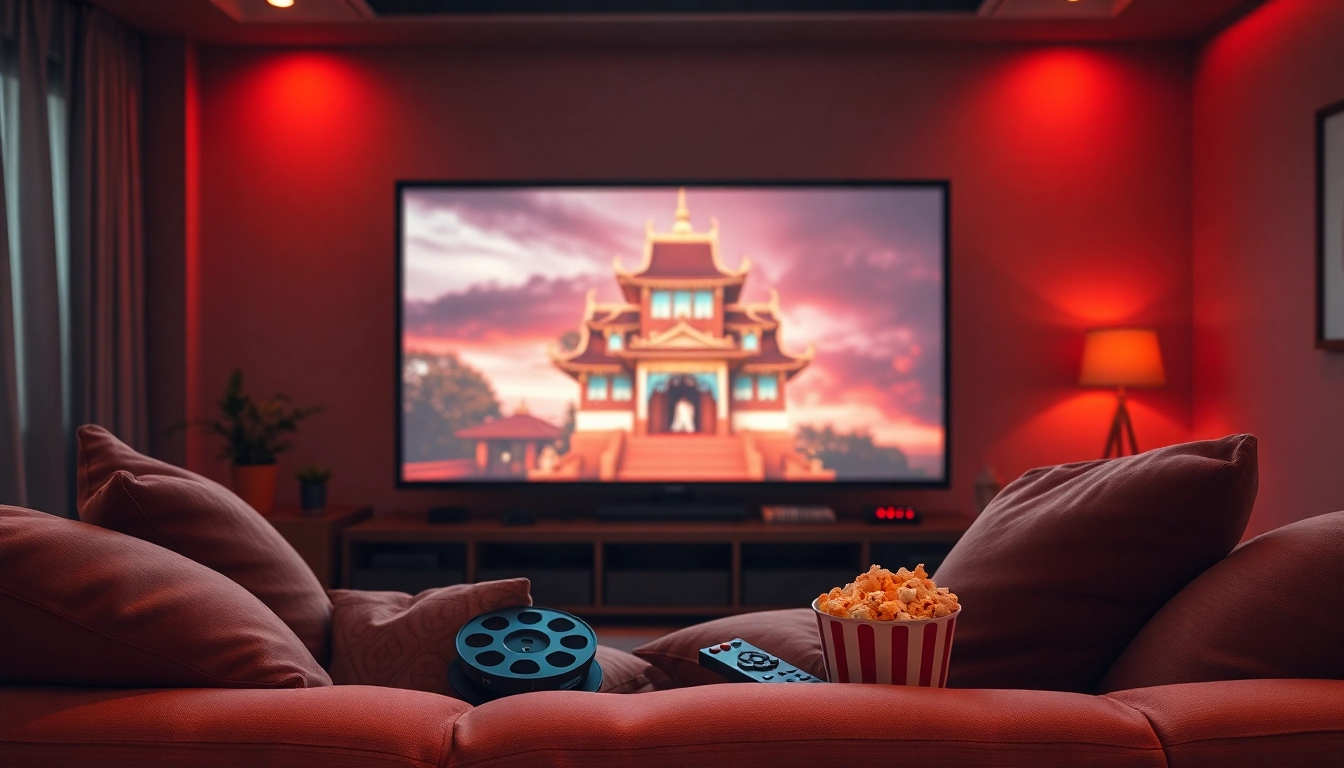
티비위키 누누티비와 함께하는 편안한 TV 시청 경험을 전하는 이미지

티비위키 누누티비: 완벽한 TV 시청을 위한 가이드

티비위키 누누티비란 무엇인가요?

티비위키 누누티비는 현대 디지털 콘텐츠 소비의 새로운 패러다임을 제시하는 콘텐츠 플랫폼으로, 사용자가 다양한 TV 방송을 보다 쉽고, 빠르게 접근할 수 있도록 돕습니다. 이 플랫폼은 사용자 친화적인 인터페이스와 풍부한 콘텐츠 라이브러리를 제공하여 시청 경험을 한층 더 향상시킵니다. 티비위키 누누티비는 특히 사용자들의 요구에 부응하는 기능을 통해 뛰어난 편리함과 즐거움을 선사하고 있습니다. 플랫폼에 대한 더 많은 정보는 티비위키 누누티비 공식 웹사이트를 방문하여 확인해 보실 수 있습니다.

티비위키 누누티비의 특징

티비위키 누누티비의 주요 특징은 다음과 같습니다. 첫째, 사용자에게 최적화된 개인화된 추천 기능을 갖추고 있어, 시청자의 취향과 시청 이력을 바탕으로 적합한 콘텐츠를 제안합니다. 둘째, 넓은 범위의 카테고리를 통해 다양한 장르의 콘텐츠를 한곳에서 찾아볼 수 있어 매우 편리합니다. 셋째, 빠른 로딩 속도와 끊김 없는 스트리밍 성능이 사용자 경험을 더욱 향상시킵니다. 마지막으로, 지속적인 업데이트를 통해 새로운 콘텐츠와 기능이 정기적으로 추가됩니다.

사용자 인터페이스 이해하기

티비위키 누누티비의 사용자 인터페이스는 직관적으로 설계되어 누구나 쉽게 이용할 수 있도록 되어 있습니다. 주요 메뉴는 상단에 배치되어 있으며, 사용자는 원하는 콘텐츠 카테고리를 클릭하여 관련된 프로그램 목록을 신속하게 탐색할 수 있습니다. 검색 기능도 강화되어 있어, 키워드 입력만으로 관심 있는 프로그램을 쉽게 찾을 수 있습니다. 또한, 화면 디자인은 깔끔하고 현대적인 느낌을 주어 사용자에게 편안한 시청 환경을 제공합니다.

가장 인기 있는 기능들

티비위키 누누티비에는 다음과 같은 인기 있는 기능들이 있습니다. 첫째, 다운로드 기능을 통해 사용자는 좋아하는 프로그램을 오프라인에서도 감상할 수 있습니다. 둘째, 실시간 스트리밍 기능으로 인기 프로그램을 놓치지 않고 시청할 수 있습니다. 셋째, 사용자 개인 계정을 통해 시청 기록 및 즐겨찾기 목록을 관리할 수 있어 편리합니다. 이러한 기능들은 사용자의 편의성을 한층 높여줄 뿐만 아니라 다양한 시청 경험을 제공합니다.

티비위키 누누티비 사용 방법

초보자를 위한 세팅 가이드

티비위키 누누티비를 처음 사용하는 경우 몇 가지 간단한 설정을 통해 원활하게 이용할 수 있습니다. 먼저, 공식 웹사이트에 접속하여 계정을 만들어야 합니다. 계정 생성 후 로그인하면, 기본적인 프로필 관리를 통해 개인의 선호를 설정할 수 있습니다. 그 다음, 음성 안내 기능을 활요하면 보다 쉽게 플랫폼을 탐색할 수 있습니다. 마지막으로, 기기에서 앱을 다운로드하여 모바일에서도 편리하게 이용할 수 있습니다.

주요 기능 활용하기

티비위키 누누티비의 주요 기능을 제대로 활용하여 최상의 시청 경험을 즐길 수 있습니다. 개인화된 추천 기능을 통해 새로운 콘텐츠를 발견할 수 있으며, 즐겨찾기 기능을 이용하여 자주 보는 프로그램을 쉽게 찾아볼 수 있습니다. 또한, 다운로드 기능을 활용해 통신 데이터 절약을 동시에 하기 위해 오프라인 시청을 할 수 있습니다. 이런 기능들을 통해 각자의 시청 스타일에 맞춘 최적의 콘텐츠 소비가 가능해집니다.

트러블슈팅 팁

티비위키 누누티비를 사용하면서 발생할 수 있는 문제를 해결하기 위한 몇 가지 팁입니다. 스트리밍 불량이 발생할 경우, 먼저 인터넷 연결을 확인하고, 특히 Wi-Fi 신호의 강도를 점검하는 것이 좋습니다. 또한, 앱을 최신 버전으로 업데이트하여 최적의 성능을 유지하는 것이 중요합니다. 만약 로그인 문제가 발생하면 비밀번호 재설정을 통해 해결할 수 있습니다.

콘텐츠 탐색하기

카테고리별 추천 목록

티비위키 누누티비는 다양한 카테고리별 추천 목록을 제공하여 사용자가 쉽게 원하는 콘텐츠를 찾을 수 있도록 돕습니다. 예를 들어, 드라마, 영화, 예능, 스포츠 등으로 분류되며 각 카테고리 내에서는 최신 콘텐츠부터 인기 순으로 나열됩니다. 원하는 장르를 선택하여 개인 맞춤형 콘텐츠를 탐색할 수 있는 장점이 있습니다.

최신 트렌드와 인기 콘텐츠

현재 티비위키 누누티비에서 핫한 콘텐츠는 무엇인지 주기적으로 점검하는 것이 좋습니다. 최신 드라마와 예능 프로그램은 방송 한 후 급속도로 인기를 얻으며, 사용자 리뷰와 평점을 통해 어떤 프로그램이 높은 평가를 받는지 살펴볼 수 있습니다. 이처럼 트렌드를 반영한 콘텐츠 탐색은 시청자에게 더욱 풍성한 경험을 제공합니다.

사용자 리뷰와 평점

티비위키 누누티비는 시청자들이 남긴 리뷰와 평점을 적극적으로 반영하여 콘텐츠 품질을 향상시키고 있습니다. 사용자는 프로그램에 대한 솔직한 의견을 남길 수 있으며, 이러한 피드백은 다른 사용자에게 큰 도움이 됩니다. 상위 콘텐츠에 대한 평점은 지속적으로 업데이트되어 신뢰할 수 있는 기준을 제공합니다.

안전한 TV 시청 환경 만들기

부모 통제 설정하기

티비위키 누누티비는 부모 통제 기능을 제공하여 어린이들이 안전하게 시청할 수 있는 환경을 조성합니다. 관리자는 특정 카테고리나 프로그램에 접근하는 것을 제한할 수 있으며, PIN 코드를 설정하여 더 나은 보호가 가능하게 합니다. 이를 통해 자녀가 부적절한 콘텐츠에 노출되는 것을 방지할 수 있습니다.

안전한 콘텐츠 선택하기

안전한 콘텐츠 선택은 모든 사용자, 특히 어린이에게 중요합니다. 티비위키 누누티비는 프로그램에 대한 연령 등급과 설명을 제공하여 사용자가 적합한 콘텐츠를 선택할 수 있도록 도와줍니다. 사용자는 이러한 가이드를 참고하여 가족 모두가 즐길 수 있는 프로그램을 선택해야 합니다.

과도한 시청 방지 방법

과도한 시청은 건강에 부정적인 영향을 미칠 수 있으므로, 적절한 시청 시간을 설정하는 것이 필요합니다. 티비위키 누누티비 내에서는 시간 제한 설정을 통해 일일 시청 시간을 조절할 수 있는 기능을 제공합니다. 부모님은 자녀의 시청 습관을 관리하여 건강한 시청 환경을 만들어줘야 합니다.

티비위키 누누티비의 미래 전망

디지털 콘텐츠 시장의 변화

디지털 콘텐츠 시장은 빠르게 발전하고 있으며, 티비위키 누누티비 또한 이러한 변화에 발맞추어 기술과 콘텐츠를 지속적으로 업데이트할 것입니다. 사용자들의 취향 변화에 맞춰 맞춤형 콘텐츠의 확대 및 다양성을 추구할 것으로 기대됩니다. 앞으로는 VR이나 AR 기술을 통한 immersive 콘텐츠 경험도 고려할 수 있습니다.

기술 발전의 영향

기술의 발전은 티비위키 누누티비의 미래에 긍정적인 영향을 미칠 것입니다. 인공지능과 머신러닝 기술을 기반으로 한 개인화된 추천 시스템은 사용자에게 최적의 콘텐츠를 제공할 수 있도록 돕고 있습니다. 이러한 진화는 더 나아가 콘텐츠 소비 방식을 보다 혁신적으로 변화시킬 것입니다.

사용자 경험 개선 방안

사용자 경험은 티비위키 누누티비에 있어 가장 중요한 요소 중 하나입니다. 일관된 업데이트와 피드백 반영을 통해 사용자 경험을 지속적으로 개선해야 합니다. 사용자 의견을 수집하여 원하는 기능을 추가하고, 편리한 UI/UX 디자인을 지속적으로 발전시켜 나가야 할 것입니다. 이를 통해 사용자 만족도를 높일 수 있습니다.

자주 묻는 질문(FAQs)

1. 티비위키 누누티비는 무료인가요?

티비위키 누누티비는 기본적으로 무료로 제공되지만, 특정 프리미엄 콘텐츠에는 유료 결제가 필요할 수 있습니다.

2. 부모 통제 기능은 어떻게 설정하나요?

부모 통제 기능은 설정 메뉴에서 활성화할 수 있으며, PIN 코드로 보호할 수 있습니다.

3. 프로그램 다운로드는 어떻게 하나요?

원하는 프로그램의 상세 페이지에서 다운로드 옵션을 클릭하여 오프라인에서 시청할 수 있습니다.

4. 사용자 리뷰 작성은 어떻게 하나요?

프로그램 페이지 하단에서 ‘리뷰 작성’ 버튼을 클릭하여 의견을 남길 수 있습니다.

5. 티비위키 누누티비는 어떤 기기에서 사용 가능한가요?

티비위키 누누티비는 스마트폰, 태블릿, PC 등 다양한 기기에서 사용 가능합니다.

Pikashow app providing seamless movie streaming experience on tablet

Essential Features of the Pikashow App in 2026 for Unlimited Entertainment

Introduction to Pikashow

The streaming landscape has evolved dramatically in recent years, offering viewers an array of platforms to access their favorite movies, TV shows, and live events. Among these, Pikashow APK has emerged as a standout option for those seeking a comprehensive entertainment experience without the burden of subscription fees. With the release of Pikashow APK v92, users can enjoy an ad-free and seamless streaming environment that supports unlimited downloads and access to an extensive library of content. As we delve deeper into what makes Pikashow a go-to choice in 2026, it’s crucial to explore its features, usability, and the ever-expanding content library.

What is Pikashow?

Pikashow is a versatile streaming application that allows users to access a wide variety of movies, TV shows, live television, and sports without any cost. This app aggregates content from multiple sources, ensuring that users have access to both popular and obscure titles across multiple genres. With its user-friendly interface and optimizing features, Pikashow caters to the diverse entertainment needs of its audience, making it a formidable contender in the crowded streaming market.

Key Features of Pikashow

  • Extensive Content Library: Access to Hollywood, Bollywood, regional films, and international series.
  • No Ads: The APK version removes intrusive ads, providing a smoother viewing experience.
  • Multiple Video Players: Options for flexible playback across various devices.
  • Regular Updates: Consistent enhancements and fresh content to keep the library relevant.
  • Optimized Graphics: Improved visual quality for an engaging viewing experience.

Why Choose Pikashow in 2026?

As the demand for high-quality streaming services continues to grow, Pikashow has positioned itself as a preferred option for many users. This can be attributed to its robust features and user-centric design that anticipate the needs of modern viewers. Furthermore, with a lightweight application that minimizes device resource consumption, Pikashow enables seamless streaming across various platforms. When exploring options, Pikashow provides comprehensive insights into what makes it an attractive choice for entertainment in 2026.

Getting Started with Pikashow

Downloading and Installing Pikashow APK

Getting started with the Pikashow app is a straightforward process. Users can download the APK file directly from trusted sources online. Ensure to enable installations from unknown sources in your device settings to facilitate a smooth installation process. Once installed, the application is ready to use, allowing users to dive into an expansive world of content.

Setting Up Your Account

To enhance the user experience, creating an account on Pikashow is encouraged. Registration is fast and simple, requiring basic information. Users can customize their profiles to receive tailored content recommendations based on their viewing preferences. This personalized approach enhances user engagement, making it easier to discover new shows and movies aligned with individual interests.

Exploring the User Interface

Pikashow boasts an intuitive and clean user interface that promotes easy navigation. Upon launching the app, users are greeted with a well-organized layout featuring different categories for movies, shows, live TV, and sports. The search function is robust, allowing for swift access to specific content, while the categorized collections simplify the browsing experience. This ensures that users spend less time searching and more time enjoying their favorite content.

Pikashow’s Content Library

Variety of Movies and TV Shows

The heart of Pikashow lies in its vast content library, housing an impressive selection of movies and television shows spanning multiple genres and languages. Whether users are fans of drama, action, romance, or thrillers, Pikashow offers something for everyone. The content is regularly updated, ensuring that users have access to the latest releases as well as timeless classics.

Live TV and Sports Streaming

Pikashow stands out not only for its extensive movie and TV show library but also for its ability to stream live TV channels and sports events. This feature enables users to catch live matches, news, and entertainment programming all in one app. While the live TV section may have occasional bugs, its overall functionality continues to improve with each update, enhancing the user experience.

Regular Updates and New Content

One of the significant advantages of the Pikashow app is its commitment to delivering new and relevant content regularly. Users can look forward to updates that not only refresh the existing library but also introduce new features to enhance user interaction and engagement. This dedication to continuous improvement is critical in retaining user interest and ensuring the app remains competitive in the dynamic streaming landscape.

User Experience and Performance

Streamlined Streaming without Ads

The ad-free streaming experience offered by Pikashow significantly enhances user satisfaction. By removing interruptions caused by advertisements, the app allows users to immerse themselves entirely in their chosen content. This is especially appealing for binge-watchers and those who enjoy watching sports without distractions.

Optimized Graphics and Load Times

Pikashow’s developers have prioritized performance, ensuring that the app is optimized for faster load times and better graphical fidelity. Users will appreciate the clearer visuals and quicker access to content, leading to a more enjoyable viewing experience. This optimization is particularly vital in an era where users expect seamless streaming across various devices.

Multiple Playback Options

Another standout feature of Pikashow is its support for various video players and playback formats. This flexibility caters to diverse user preferences, allowing individuals to select their preferred playback settings for optimal enjoyment. With options for adjusting video quality and playback speeds, users can customize their experience to suit their needs.

Future of Streaming with Pikashow

Upcoming Features and Enhancements

The future looks bright for Pikashow as it continues to develop and expand its offerings. Upcoming features may include enhanced personalization capabilities, integration of social sharing options, and more advanced search functions. Such improvements will not only make the app more user-friendly but also encourage community engagement among users.

Trends in Streaming Apps for 2026

As we move further into 2026, emerging trends in the streaming sector will impact how apps like Pikashow operate. Increased focus on personalized content, along with improved user interaction through community features, will define the future of streaming services. The incorporation of advanced technologies such as AI could revolutionize content recommendations and search functionalities.

Pikashow’s Role in the Future of Entertainment

Pikashow is poised to play a significant role in the evolution of the streaming industry. By continuously adapting to viewer preferences and technological advancements, Pikashow aims to maintain its relevance and position within the market. As users become more discerning in their entertainment choices, the app’s ability to provide both diverse content and an engaging interface will be crucial for its long-term success.

What devices are compatible with Pikashow?

Pikashow is compatible with a range of devices, including Android smartphones, tablets, and various smart TVs. Its functionality across different platforms ensures that users can access their favorite content on multiple screens, making it a versatile option for families and individual users alike.

Is Pikashow safe to download?

Security is a primary concern for many users when it comes to downloading APK files. While some may encounter warnings regarding the app, it is essential to emphasize that the Pikashow APK has been modified to remove ads and optimize performance. Users should ensure they download it from reputable sources to mitigate risks associated with third-party apps.

Can Pikashow be used abroad?

Yes, Pikashow can be used abroad, allowing users to enjoy their favorite content regardless of geographical location. However, it’s important to note that some content may be region-locked, which could limit access to specific shows or channels depending on the user’s location.

What makes Pikashow different from other streaming apps?

Pikashow differentiates itself through its extensive library of content available for free, coupled with a user-friendly interface that enhances the viewing experience. Unlike many subscription-based services, Pikashow offers a budget-friendly alternative without sacrificing quality or variety.

How often does Pikashow update its content?

Pikashow is committed to keeping its library fresh and exciting, with regular updates that introduce new movies, shows, and other content. With frequent enhancements, users can expect new additions that reflect current trends and viewer preferences.

Captivating Trends in Arts & Entertainment You Should Know

Understanding the Arts: Historical Context and Evolution

The realm of arts and entertainment is a reflection of human creativity, cultural identity, and societal evolution. The artistic expression has been an integral part of human civilization, serving not only as a medium of personal expression but also as a catalyst for change and reflection within communities. This section delves into the historical context and evolution of the arts, exploring its origins, impactful movements, and the progression of entertainment through the ages.

The Origins of Artistic Expression in Human Culture

Artistic expression dates back to the earliest human societies, manifesting in various forms such as cave paintings, carvings, and primitive music. Archaeological findings, such as the Lascaux cave paintings in France, suggest that early humans used art as a means of communication, storytelling, and ritualistic practices. These expressive forms were not merely decorative; they held significant cultural meanings and were essential for the survival of early communities.

As civilizations developed, art became more sophisticated. In ancient Egypt, art was tied to religion and the afterlife, with intricate hieroglyphs and monumental architecture designed to honor gods and pharaohs. Similarly, the Greeks and Romans contributed significantly to artistic expression through sculpture and theatre, laying the groundwork for Western art traditions.

  • Cave Paintings: The earliest form of artistic expression, depicting animals and hunting scenes.
  • Ancient Egyptian Art: Focused on religious themes and the afterlife, with a strong emphasis on symmetry and order.
  • Greek Theatre: Introduced dramatic arts and storytelling, influencing modern theatre forms.

Key Art Movements and Their Impact on Society

Throughout history, various art movements have emerged, each leaving a profound impact on society. The Renaissance, for instance, marked a revival of classical learning and wisdom. Artists like Leonardo da Vinci and Michelangelo pushed the boundaries of creativity, integrating science and humanism into their artworks.

The Baroque period followed, characterized by dramatic expression and grandeur, reflecting the complexities of the time, including religious conflicts and absolute monarchies. Artists like Caravaggio and Rembrandt used light and shadow to evoke emotion and realism, influencing future artistic techniques.

In the 19th century, movements such as Impressionism and Post-Impressionism challenged traditional artistic norms. Artists like Claude Monet and Vincent van Gogh brought forth a new perception of color and light, giving rise to modern art. These movements not only altered the aesthetic landscape but also influenced social attitudes towards art and culture.

  • Renaissance (14th-17th Century): A revival of classical learning and humanistic values.
  • Baroque (17th Century): Known for emotional intensity and dramatic use of light.
  • Impressionism (19th Century): Focused on capturing light and its changing qualities.

The Evolution of Entertainment Through the Ages

Entertainment has evolved dramatically from the ancient times of storytelling and live performances to today’s digital age. In ancient Rome, gladiatorial games and theatrical performances were popular forms of entertainment, reflecting societal values and norms. The invention of the printing press in the 15th century revolutionized the distribution of literature, making books more accessible and fostering a culture of reading.

The 20th century brought about significant changes with the advent of radio, television, and cinema. The film industry transformed storytelling, allowing for the mass consumption of narratives on an unprecedented scale. Today, entertainment continues to evolve with the rise of the internet, social media, and streaming services, changing how people consume and engage with content.

  • Gladiatorial Games: A form of entertainment that reflected social values and the power dynamics of ancient Rome.
  • Printing Press: Allowed for mass distribution of literature, fostering reading culture.
  • Streaming Services: Have created a new era of content consumption, making entertainment more accessible.

Exploring Different Mediums in the Arts

The arts encompass a myriad of mediums, each offering unique avenues for creative expression. From visual arts that capture the eye to performing arts that engage the body and spirit, each medium has its own techniques and styles that resonate with audiences. This section explores the various mediums within the arts, detailing their characteristics and significance.

Visual Arts: Techniques and Styles

Visual arts include a wide range of artistic expressions, such as painting, sculpture, photography, and digital art. Each technique and style contributes to the narrative and emotional impact of the artwork. Traditional painting techniques, for instance, vary from oil and watercolor to acrylics, each offering distinct textures and finishes.

The emergence of styles like Cubism, Surrealism, and Abstract Expressionism has expanded the language of visual arts. Artists such as Pablo Picasso and Salvador Dalí challenged perceptions of reality, inviting viewers to engage with art on a deeper philosophical level.

  • Oil Painting: Known for its rich color and texture, allowing for detailed and layered works.
  • Watercolor: Offers a translucent quality, emphasizing light and fluidity.
  • Digital Art: Utilizes technology to create visually stunning works, from digital paintings to 3D models.

Performing Arts: Theatre, Dance, and Music

The performing arts combine various forms of expression, including theatre, dance, and music, to convey stories and emotions. Theatre has a rich history that dates back to ancient Greece, where plays were performed in open-air amphitheaters. Today, theatre encompasses a range of styles, from classic Shakespearean plays to contemporary experimental performances.

Dance, as a performing art, transcends cultural boundaries, with styles ranging from ballet to hip-hop, each telling its own story through movement. Music, with its diverse genres and forms, serves as a universal language, capable of evoking profound emotions and connecting people across cultures.

  • Theatre: A blend of script, performance, and stagecraft, creating immersive storytelling experiences.
  • Dance: Expresses themes and narratives through physical movement, with cultural variations worldwide.
  • Music: Encompasses various genres, each with unique characteristics and cultural significance.

Literary Arts: Genres and Forms

Literary arts encompass a vast array of genres and forms, from poetry and novels to essays and plays. Each genre offers unique narrative structures and themes, providing writers with tools to express complex ideas and emotions. For instance, poetry often employs rhythm and metaphor to convey deep feelings, while novels can explore intricate plots and character development.

The evolution of literary arts is evident in the rise of different genres over time. The Romantic movement emphasized emotion and individualism, while Modernism questioned traditional narratives and embraced fragmented storytelling. Today, contemporary literature continues to evolve, reflecting current societal issues and diverse voices.

  • Poetry: Uses structured verse and imagery to evoke emotions and insights.
  • Novels: Offer expansive narratives, exploring character and plot in depth.
  • Essays: Provide critical and personal reflections, often addressing social and political issues.

The Role of Technology in Modern Arts and Entertainment

In the contemporary landscape, technology plays a pivotal role in shaping the arts and entertainment sectors. From digital tools that enhance creative processes to platforms that distribute content globally, technology has transformed how artists create, share, and engage with audiences. This section examines the influence of technology on modern arts and entertainment.

Digital Art: Tools and Techniques for Creatives

Digital art has revolutionized the creative process, providing artists with innovative tools and techniques. Software such as Adobe Photoshop and Illustrator allows for intricate designs and illustrations, while platforms like Procreate have made digital painting accessible to artists worldwide. The rise of graphic tablets and styluses has further enhanced the precision and fluidity of digital artwork.

Moreover, digital art encourages experimentation and collaboration. Artists can share their work online, receive feedback, and collaborate with others, fostering a global creative community. The accessibility of digital tools has democratized art-making, enabling more individuals to explore their creativity.

  • Adobe Photoshop: A leading software for digital image editing and manipulation.
  • Procreate: A popular app for digital painting, favored by illustrators and artists.
  • Graphic Tablets: Enhance digital drawing and painting, offering a natural drawing experience.

The Rise of Streaming Services and Their Influence on Entertainment

The emergence of streaming services has dramatically altered the entertainment landscape. Platforms like Netflix, Hulu, and Disney+ provide audiences with on-demand access to a vast library of films, television shows, and original content. This shift has transformed how viewers consume media, prioritizing convenience and personalization.

Moreover, streaming services have disrupted traditional distribution methods, allowing independent filmmakers and creators to reach global audiences without the constraints of traditional gatekeepers. This democratization of content creation has led to a diversification of voices and narratives in the entertainment industry.

  • Netflix: Pioneered binge-watching culture with its original programming and extensive library.
  • Hulu: Offers a blend of current TV shows and original content, catering to varied audience preferences.
  • Independent Filmmaking: Streaming platforms have enabled independent creators to showcase their work to a broader audience.

Virtual Reality and Augmented Reality in Artistic Experiences

Virtual reality (VR) and augmented reality (AR) are emerging technologies that are reshaping the arts and entertainment sectors. VR creates immersive environments that transport users to different worlds, allowing for interactive artistic experiences. For instance, art installations utilizing VR allow viewers to engage with art in ways that were previously unimaginable, fostering a deeper connection to the work.

AR, on the other hand, overlays digital content onto the real world, enhancing the viewer’s experience. Art galleries and museums are increasingly incorporating AR to provide additional context and information about exhibits, enriching the visitor experience. These technologies not only enhance engagement but also expand the possibilities of artistic expression.

  • Virtual Reality: Creates immersive experiences that allow users to explore art in a three-dimensional space.
  • Augmented Reality: Enhances real-world experiences by adding digital layers of information and interaction.
  • Art Installations: Utilize VR and AR to engage audiences in unique and interactive ways.

Marketing and Promoting Arts and Entertainment

In a competitive landscape, effective marketing and promotion are crucial for artists and entertainers to reach their target audiences. This section explores strategies for building an online presence, networking within the arts industry, and utilizing SEO and content marketing to promote artistic endeavors.

Building an Online Presence: Social Media Strategies for Artists

Establishing a robust online presence is essential for artists and entertainers in today’s digital age. Social media platforms such as Instagram, Twitter, and TikTok provide artists with the opportunity to showcase their work, engage with followers, and build a community. Here are some effective strategies:

  • Consistent Branding: Develop a cohesive visual identity and voice across all platforms.
  • Engagement: Interact with followers by responding to comments, hosting Q&A sessions, and sharing behind-the-scenes content.
  • Content Variety: Use a mix of images, videos, and stories to keep your audience engaged and showcase different aspects of your work.

Collaborations and Networking in the Arts Industry

Collaboration and networking are vital for growth in the arts industry. By working with other artists and professionals, individuals can expand their reach and access new audiences. Here are some practical tips for effective networking:

  • Attend Events: Participate in art exhibitions, workshops, and conferences to meet like-minded individuals.
  • Join Online Communities: Engage with online platforms and forums dedicated to your artistic field.
  • Collaborate: Seek opportunities to collaborate on projects, which can lead to cross-promotion and shared audiences.

Utilizing SEO and Content Marketing for Arts Promotion

Search engine optimization (SEO) and content marketing are powerful tools for promoting arts and entertainment. By creating valuable content and optimizing it for search engines, artists can increase their visibility online. Here are some best practices:

  • Keyword Research: Identify relevant keywords related to your art or entertainment niche and incorporate them naturally into your content.
  • Quality Content: Create informative blog posts, videos, or podcasts that provide value to your audience.
  • Social Sharing: Encourage sharing of your content on social media to increase reach and engagement.

Future Trends in Arts and Entertainment

The arts and entertainment landscape is continuously evolving, influenced by societal changes, technological advancements, and cultural shifts. This section explores emerging trends that are shaping the future of arts and entertainment.

The Growing Importance of Inclusivity and Diversity

Inclusivity and diversity have become paramount in the arts and entertainment sectors. Audiences are increasingly seeking representation in the storytelling and artistic expressions they consume. This shift has prompted creators to embrace diverse voices and perspectives, resulting in a richer cultural tapestry.

Initiatives promoting diversity in casting, storytelling, and artistic representation are gaining momentum. For example, the success of films like “Black Panther” and “Crazy Rich Asians” showcases the demand for authentic representation in mainstream media. As the industry continues to evolve, embracing inclusivity will remain a critical focus.

  • Representation Matters: Diverse narratives resonate with audiences, contributing to broader cultural conversations.
  • Accessibility: Ensuring that art and entertainment are accessible to all, regardless of background or ability.
  • Support for Underrepresented Artists: Initiatives that fund and promote diverse artists are becoming increasingly important.

Environmental Sustainability in Arts and Production

The growing awareness of environmental issues has prompted the arts and entertainment sectors to adopt sustainable practices. From eco-friendly production methods to promoting environmental themes in art, sustainability is becoming a priority. Artists are using their platforms to raise awareness about climate change and inspire action.

For instance, film productions are increasingly utilizing green technologies, such as energy-efficient lighting and sustainable materials, to minimize their environmental impact. Additionally, art installations that incorporate recycled materials or address environmental themes are gaining popularity, encouraging audiences to consider their ecological footprint.

  • Eco-Friendly Production: Utilizing sustainable materials and practices in the creation of art and entertainment.
  • Environmental Themes: Addressing climate change and sustainability through artistic expression.
  • Community Engagement: Encouraging audiences to participate in sustainability initiatives through art.

Emerging Technologies and Their Potential Impact on the Arts

As technology continues to evolve, its impact on the arts will only grow. Emerging technologies such as artificial intelligence, blockchain, and advanced analytics are poised to reshape how art is created, distributed, and experienced. For example, AI-generated art is challenging traditional notions of creativity and authorship, prompting discussions about the role of the artist in the digital age.

Blockchain technology is also making waves in the art world, providing a transparent and secure method for artists to sell their work and for collectors to authenticate it. This technology has the potential to revolutionize the art market, ensuring fair compensation for artists while enhancing trust between creators and buyers.

  • Artificial Intelligence: Exploring the creative potential of AI in art and music.
  • Blockchain: Revolutionizing authentication and ownership in the art market.
  • Data Analytics: Utilizing data to understand audience preferences and trends in the arts.
Arts & Entertainment

Captivating Trends in Arts & Entertainment You Should Know

Understanding the Arts: Historical Context and Evolution

The realm of arts and entertainment is a reflection of human creativity, cultural identity, and societal evolution. The artistic expression has been an integral part of human civilization, serving not only as a medium of personal expression but also as a catalyst for change and reflection within communities. This section delves into the historical context and evolution of the arts, exploring its origins, impactful movements, and the progression of entertainment through the ages.

The Origins of Artistic Expression in Human Culture

Artistic expression dates back to the earliest human societies, manifesting in various forms such as cave paintings, carvings, and primitive music. Archaeological findings, such as the Lascaux cave paintings in France, suggest that early humans used art as a means of communication, storytelling, and ritualistic practices. These expressive forms were not merely decorative; they held significant cultural meanings and were essential for the survival of early communities.

As civilizations developed, art became more sophisticated. In ancient Egypt, art was tied to religion and the afterlife, with intricate hieroglyphs and monumental architecture designed to honor gods and pharaohs. Similarly, the Greeks and Romans contributed significantly to artistic expression through sculpture and theatre, laying the groundwork for Western art traditions.

  • Cave Paintings: The earliest form of artistic expression, depicting animals and hunting scenes.
  • Ancient Egyptian Art: Focused on religious themes and the afterlife, with a strong emphasis on symmetry and order.
  • Greek Theatre: Introduced dramatic arts and storytelling, influencing modern theatre forms.

Key Art Movements and Their Impact on Society

Throughout history, various art movements have emerged, each leaving a profound impact on society. The Renaissance, for instance, marked a revival of classical learning and wisdom. Artists like Leonardo da Vinci and Michelangelo pushed the boundaries of creativity, integrating science and humanism into their artworks.

The Baroque period followed, characterized by dramatic expression and grandeur, reflecting the complexities of the time, including religious conflicts and absolute monarchies. Artists like Caravaggio and Rembrandt used light and shadow to evoke emotion and realism, influencing future artistic techniques.

In the 19th century, movements such as Impressionism and Post-Impressionism challenged traditional artistic norms. Artists like Claude Monet and Vincent van Gogh brought forth a new perception of color and light, giving rise to modern art. These movements not only altered the aesthetic landscape but also influenced social attitudes towards art and culture.

  • Renaissance (14th-17th Century): A revival of classical learning and humanistic values.
  • Baroque (17th Century): Known for emotional intensity and dramatic use of light.
  • Impressionism (19th Century): Focused on capturing light and its changing qualities.

The Evolution of Entertainment Through the Ages

Entertainment has evolved dramatically from the ancient times of storytelling and live performances to today’s digital age. In ancient Rome, gladiatorial games and theatrical performances were popular forms of entertainment, reflecting societal values and norms. The invention of the printing press in the 15th century revolutionized the distribution of literature, making books more accessible and fostering a culture of reading.

The 20th century brought about significant changes with the advent of radio, television, and cinema. The film industry transformed storytelling, allowing for the mass consumption of narratives on an unprecedented scale. Today, entertainment continues to evolve with the rise of the internet, social media, and streaming services, changing how people consume and engage with content.

  • Gladiatorial Games: A form of entertainment that reflected social values and the power dynamics of ancient Rome.
  • Printing Press: Allowed for mass distribution of literature, fostering reading culture.
  • Streaming Services: Have created a new era of content consumption, making entertainment more accessible.

Exploring Different Mediums in the Arts

The arts encompass a myriad of mediums, each offering unique avenues for creative expression. From visual arts that capture the eye to performing arts that engage the body and spirit, each medium has its own techniques and styles that resonate with audiences. This section explores the various mediums within the arts, detailing their characteristics and significance.

Visual Arts: Techniques and Styles

Visual arts include a wide range of artistic expressions, such as painting, sculpture, photography, and digital art. Each technique and style contributes to the narrative and emotional impact of the artwork. Traditional painting techniques, for instance, vary from oil and watercolor to acrylics, each offering distinct textures and finishes.

The emergence of styles like Cubism, Surrealism, and Abstract Expressionism has expanded the language of visual arts. Artists such as Pablo Picasso and Salvador Dalí challenged perceptions of reality, inviting viewers to engage with art on a deeper philosophical level.

  • Oil Painting: Known for its rich color and texture, allowing for detailed and layered works.
  • Watercolor: Offers a translucent quality, emphasizing light and fluidity.
  • Digital Art: Utilizes technology to create visually stunning works, from digital paintings to 3D models.

Performing Arts: Theatre, Dance, and Music

The performing arts combine various forms of expression, including theatre, dance, and music, to convey stories and emotions. Theatre has a rich history that dates back to ancient Greece, where plays were performed in open-air amphitheaters. Today, theatre encompasses a range of styles, from classic Shakespearean plays to contemporary experimental performances.

Dance, as a performing art, transcends cultural boundaries, with styles ranging from ballet to hip-hop, each telling its own story through movement. Music, with its diverse genres and forms, serves as a universal language, capable of evoking profound emotions and connecting people across cultures.

  • Theatre: A blend of script, performance, and stagecraft, creating immersive storytelling experiences.
  • Dance: Expresses themes and narratives through physical movement, with cultural variations worldwide.
  • Music: Encompasses various genres, each with unique characteristics and cultural significance.

Literary Arts: Genres and Forms

Literary arts encompass a vast array of genres and forms, from poetry and novels to essays and plays. Each genre offers unique narrative structures and themes, providing writers with tools to express complex ideas and emotions. For instance, poetry often employs rhythm and metaphor to convey deep feelings, while novels can explore intricate plots and character development.

The evolution of literary arts is evident in the rise of different genres over time. The Romantic movement emphasized emotion and individualism, while Modernism questioned traditional narratives and embraced fragmented storytelling. Today, contemporary literature continues to evolve, reflecting current societal issues and diverse voices.

  • Poetry: Uses structured verse and imagery to evoke emotions and insights.
  • Novels: Offer expansive narratives, exploring character and plot in depth.
  • Essays: Provide critical and personal reflections, often addressing social and political issues.

The Role of Technology in Modern Arts and Entertainment

In the contemporary landscape, technology plays a pivotal role in shaping the arts and entertainment sectors. From digital tools that enhance creative processes to platforms that distribute content globally, technology has transformed how artists create, share, and engage with audiences. This section examines the influence of technology on modern arts and entertainment.

Digital Art: Tools and Techniques for Creatives

Digital art has revolutionized the creative process, providing artists with innovative tools and techniques. Software such as Adobe Photoshop and Illustrator allows for intricate designs and illustrations, while platforms like Procreate have made digital painting accessible to artists worldwide. The rise of graphic tablets and styluses has further enhanced the precision and fluidity of digital artwork.

Moreover, digital art encourages experimentation and collaboration. Artists can share their work online, receive feedback, and collaborate with others, fostering a global creative community. The accessibility of digital tools has democratized art-making, enabling more individuals to explore their creativity.

  • Adobe Photoshop: A leading software for digital image editing and manipulation.
  • Procreate: A popular app for digital painting, favored by illustrators and artists.
  • Graphic Tablets: Enhance digital drawing and painting, offering a natural drawing experience.

The Rise of Streaming Services and Their Influence on Entertainment

The emergence of streaming services has dramatically altered the entertainment landscape. Platforms like Netflix, Hulu, and Disney+ provide audiences with on-demand access to a vast library of films, television shows, and original content. This shift has transformed how viewers consume media, prioritizing convenience and personalization.

Moreover, streaming services have disrupted traditional distribution methods, allowing independent filmmakers and creators to reach global audiences without the constraints of traditional gatekeepers. This democratization of content creation has led to a diversification of voices and narratives in the entertainment industry.

  • Netflix: Pioneered binge-watching culture with its original programming and extensive library.
  • Hulu: Offers a blend of current TV shows and original content, catering to varied audience preferences.
  • Independent Filmmaking: Streaming platforms have enabled independent creators to showcase their work to a broader audience.

Virtual Reality and Augmented Reality in Artistic Experiences

Virtual reality (VR) and augmented reality (AR) are emerging technologies that are reshaping the arts and entertainment sectors. VR creates immersive environments that transport users to different worlds, allowing for interactive artistic experiences. For instance, art installations utilizing VR allow viewers to engage with art in ways that were previously unimaginable, fostering a deeper connection to the work.

AR, on the other hand, overlays digital content onto the real world, enhancing the viewer’s experience. Art galleries and museums are increasingly incorporating AR to provide additional context and information about exhibits, enriching the visitor experience. These technologies not only enhance engagement but also expand the possibilities of artistic expression.

  • Virtual Reality: Creates immersive experiences that allow users to explore art in a three-dimensional space.
  • Augmented Reality: Enhances real-world experiences by adding digital layers of information and interaction.
  • Art Installations: Utilize VR and AR to engage audiences in unique and interactive ways.

Marketing and Promoting Arts and Entertainment

In a competitive landscape, effective marketing and promotion are crucial for artists and entertainers to reach their target audiences. This section explores strategies for building an online presence, networking within the arts industry, and utilizing SEO and content marketing to promote artistic endeavors.

Building an Online Presence: Social Media Strategies for Artists

Establishing a robust online presence is essential for artists and entertainers in today’s digital age. Social media platforms such as Instagram, Twitter, and TikTok provide artists with the opportunity to showcase their work, engage with followers, and build a community. Here are some effective strategies:

  • Consistent Branding: Develop a cohesive visual identity and voice across all platforms.
  • Engagement: Interact with followers by responding to comments, hosting Q&A sessions, and sharing behind-the-scenes content.
  • Content Variety: Use a mix of images, videos, and stories to keep your audience engaged and showcase different aspects of your work.

Collaborations and Networking in the Arts Industry

Collaboration and networking are vital for growth in the arts industry. By working with other artists and professionals, individuals can expand their reach and access new audiences. Here are some practical tips for effective networking:

  • Attend Events: Participate in art exhibitions, workshops, and conferences to meet like-minded individuals.
  • Join Online Communities: Engage with online platforms and forums dedicated to your artistic field.
  • Collaborate: Seek opportunities to collaborate on projects, which can lead to cross-promotion and shared audiences.

Utilizing SEO and Content Marketing for Arts Promotion

Search engine optimization (SEO) and content marketing are powerful tools for promoting arts and entertainment. By creating valuable content and optimizing it for search engines, artists can increase their visibility online. Here are some best practices:

  • Keyword Research: Identify relevant keywords related to your art or entertainment niche and incorporate them naturally into your content.
  • Quality Content: Create informative blog posts, videos, or podcasts that provide value to your audience.
  • Social Sharing: Encourage sharing of your content on social media to increase reach and engagement.

Future Trends in Arts and Entertainment

The arts and entertainment landscape is continuously evolving, influenced by societal changes, technological advancements, and cultural shifts. This section explores emerging trends that are shaping the future of arts and entertainment.

The Growing Importance of Inclusivity and Diversity

Inclusivity and diversity have become paramount in the arts and entertainment sectors. Audiences are increasingly seeking representation in the storytelling and artistic expressions they consume. This shift has prompted creators to embrace diverse voices and perspectives, resulting in a richer cultural tapestry.

Initiatives promoting diversity in casting, storytelling, and artistic representation are gaining momentum. For example, the success of films like “Black Panther” and “Crazy Rich Asians” showcases the demand for authentic representation in mainstream media. As the industry continues to evolve, embracing inclusivity will remain a critical focus.

  • Representation Matters: Diverse narratives resonate with audiences, contributing to broader cultural conversations.
  • Accessibility: Ensuring that art and entertainment are accessible to all, regardless of background or ability.
  • Support for Underrepresented Artists: Initiatives that fund and promote diverse artists are becoming increasingly important.

Environmental Sustainability in Arts and Production

The growing awareness of environmental issues has prompted the arts and entertainment sectors to adopt sustainable practices. From eco-friendly production methods to promoting environmental themes in art, sustainability is becoming a priority. Artists are using their platforms to raise awareness about climate change and inspire action.

For instance, film productions are increasingly utilizing green technologies, such as energy-efficient lighting and sustainable materials, to minimize their environmental impact. Additionally, art installations that incorporate recycled materials or address environmental themes are gaining popularity, encouraging audiences to consider their ecological footprint.

  • Eco-Friendly Production: Utilizing sustainable materials and practices in the creation of art and entertainment.
  • Environmental Themes: Addressing climate change and sustainability through artistic expression.
  • Community Engagement: Encouraging audiences to participate in sustainability initiatives through art.

Emerging Technologies and Their Potential Impact on the Arts

As technology continues to evolve, its impact on the arts will only grow. Emerging technologies such as artificial intelligence, blockchain, and advanced analytics are poised to reshape how art is created, distributed, and experienced. For example, AI-generated art is challenging traditional notions of creativity and authorship, prompting discussions about the role of the artist in the digital age.

Blockchain technology is also making waves in the art world, providing a transparent and secure method for artists to sell their work and for collectors to authenticate it. This technology has the potential to revolutionize the art market, ensuring fair compensation for artists while enhancing trust between creators and buyers.

  • Artificial Intelligence: Exploring the creative potential of AI in art and music.
  • Blockchain: Revolutionizing authentication and ownership in the art market.
  • Data Analytics: Utilizing data to understand audience preferences and trends in the arts.
Arts & Entertainment

Mastering the Art of Storytelling in Film and Theatre

Understanding the Arts: Foundations and Movements

The arts serve as a mirror reflecting the complexities of human experience, society, and culture. From painting and sculpture to performance and literature, artistic expression has evolved through various movements and styles, deeply rooted in historical contexts and cultural narratives. This section delves into the major art movements, the interplay of culture and art, and the key figures who have shaped the artistic landscape.

Overview of Major Art Movements

Throughout history, art has undergone significant transformations, shaped by cultural, political, and technological influences. Major art movements, such as the Renaissance, Baroque, Romanticism, Impressionism, and Modernism, each have unique characteristics and philosophies that reflect their respective eras.

The Renaissance, spanning from the 14th to the 17th century, marked a revival of classical learning and wisdom. Artists like Leonardo da Vinci and Michelangelo exemplified the blend of art and science, creating works that emphasized realism and human emotion.

  • Renaissance (14th-17th Century): Focused on humanism and classical antiquity.
  • Baroque (17th-18th Century): Known for its dramatic use of light and shadow, exemplified by artists like Caravaggio.
  • Romanticism (19th Century): Emphasized emotion and individualism, with figures like Caspar David Friedrich leading the way.
  • Impressionism (Late 19th Century): Captured fleeting moments and light, with artists like Claude Monet challenging traditional methods.
  • Modernism (20th Century): Characterized by a break from tradition, with movements like Cubism and Surrealism.

The Role of Culture in Artistic Expression

Culture is the tapestry of shared beliefs, values, and practices that significantly influences artistic expression. Artists often draw inspiration from their cultural backgrounds, integrating folklore, traditions, and societal issues into their works. For instance, African art, with its vibrant colors and symbolic meanings, reflects communal values and spiritual beliefs.

Moreover, cultural movements such as the Harlem Renaissance in the 1920s played a crucial role in redefining African American identity and expression through literature, music, and visual arts.

  • Art as a means of social commentary, addressing issues like race, gender, and class.
  • The influence of globalization on diverse artistic expressions and cross-cultural collaborations.
  • The preservation of cultural heritage through contemporary art forms.

Key Figures and Their Contributions to the Arts

The arts have been shaped by countless individuals whose innovative approaches and visionary ideas have left an indelible mark. Artists, musicians, writers, and performers have pushed boundaries and redefined what is possible in their respective fields.

For example, Pablo Picasso, a prominent figure in Modern art, co-founded the Cubist movement, which revolutionized perspective in visual arts. In literature, Virginia Woolf’s stream-of-consciousness technique has influenced narrative styles, while musicians like Ludwig van Beethoven transformed classical music with emotional depth and complexity.

  • Pablo Picasso: Co-founder of Cubism, known for works like “Les Demoiselles d’Avignon.”
  • Virginia Woolf: Pioneer of modernist literature, famous for “Mrs. Dalloway.”
  • Ludwig van Beethoven: His symphonies broke traditional forms, paving the way for Romantic music.

The Evolution of Entertainment: Historical Perspectives

Entertainment has undergone a remarkable transformation, evolving from traditional forms to the digital age. This section explores the historical perspectives on entertainment, examining how societal changes and technological advancements have shaped the way we experience entertainment.

From Traditional to Digital: The Shift in Entertainment Forms

Traditionally, entertainment was rooted in live performances, storytelling, and community gatherings. The advent of the printing press in the 15th century revolutionized literature, making books more accessible and fostering a culture of reading. The 20th century saw the rise of radio, film, and television, which changed the landscape of entertainment forever.

Today, digital platforms like streaming services, social media, and video games dominate the entertainment industry, providing audiences with unprecedented access to content. According to a report by Statista, global revenue from streaming services is projected to reach $80 billion by 2025, reflecting the profound shift in consumption patterns.

The Impact of Technology on Entertainment Experiences

Technology has significantly influenced how we create and consume entertainment. The introduction of sound in film, color television, and high-definition formats have continually enhanced the viewer experience. More recently, virtual reality (VR) and augmented reality (AR) are pushing the boundaries of immersion in entertainment.

For instance, platforms like Oculus Rift and HTC Vive have revolutionized gaming and experiential storytelling, allowing users to engage with content in a completely new dimension.

  • The rise of interactive storytelling in video games.
  • How streaming services utilize algorithms to personalize user experiences.
  • The future of entertainment in a fully connected world, with possibilities like remote performances and virtual festivals.

Notable Historical Events That Shaped Entertainment

Numerous historical events have had a profound impact on the entertainment industry. The Great Depression of the 1930s, for example, led to the rise of escapist cinema, with musicals and comedies providing much-needed relief. Similarly, the advent of television in the 1950s transformed family entertainment, bringing news and serialized storytelling into homes across America.

Another pivotal moment was the rise of the internet in the late 20th century, which democratized content creation and distribution. Platforms like YouTube and social media have empowered individuals to become creators, fundamentally altering the entertainment landscape.

  • The Great Depression and the demand for escapism in film.
  • The impact of television on social and cultural dynamics.
  • The internet revolution and the rise of user-generated content.

Creative Process: Techniques and Practices

The creative process is a complex interplay of techniques, practices, and methodologies that artists and entertainers employ to bring their visions to life. This section examines fundamental techniques across various art forms, storytelling methods, and collaborative practices.

Fundamental Techniques in Visual Arts and Performance

Visual arts encompass a wide array of techniques, including drawing, painting, sculpture, and digital art. Each medium offers unique possibilities for expression. For instance, oil painting allows for rich color gradation and texture, while watercolor creates ethereal effects through transparency.

In performance arts, techniques such as method acting, improvisation, and choreography are essential for creating compelling performances. The Stanislavski system, developed by Konstantin Stanislavski, emphasizes emotional truth and character immersion, fundamentally influencing modern acting.

  • Understanding the principles of color theory in visual arts.
  • The role of body language and voice modulation in performance.
  • Exploring mixed media as a method of artistic expression.

Storytelling Methods in Film and Theatre

Storytelling is at the heart of both film and theatre, employing various methods to engage audiences. Traditional narrative structures, such as the three-act structure, provide a framework for developing plots and characters. However, contemporary storytelling often embraces non-linear narratives and multiple perspectives.

For instance, films like “Pulp Fiction” and “Memento” utilize fragmented storytelling to create intrigue and challenge viewers’ perceptions. In theatre, techniques like breaking the fourth wall and immersive experiences allow audiences to interact with the narrative in innovative ways.

  • Understanding character arcs and their importance in storytelling.
  • Exploring different narrative structures and their impact on audience engagement.
  • The role of symbolism and themes in enhancing storytelling.

Collaborative Practices in Arts Productions

Collaboration is a fundamental aspect of artistic production, particularly in theatre, film, and music. Successful projects often rely on the synergy between directors, writers, actors, and designers. Each member brings their expertise, fostering a creative environment that enhances the final product.

For example, the collaboration between composer Stephen Sondheim and director Hal Prince in musicals like “Sweeney Todd” showcases how teamwork can elevate artistic expression. Workshops and feedback sessions are common practices that allow artists to refine their work through collaborative critique.

  • Establishing effective communication channels within creative teams.
  • The importance of feedback and iteration in the creative process.
  • Utilizing diverse perspectives to enrich artistic outcomes.

Monetizing the Arts: Business Strategies for Creatives

Building a Personal Brand as an Artist or Performer

In today’s competitive landscape, establishing a personal brand is crucial for artists and entertainers. A strong personal brand conveys authenticity and uniqueness, helping to differentiate one’s work in a crowded market. Begin by identifying your core values, artistic vision, and target audience.

Consistency across platforms—whether through social media, websites, or physical portfolios—is key to building recognition. For example, visual artist Banksy has cultivated a mysterious and provocative brand identity, which has significantly contributed to his fame and market value.

  • Crafting a compelling artist statement and maintaining a professional online presence.
  • Leveraging storytelling to connect with audiences on a personal level.
  • Participating in exhibitions and events to build visibility and network.

Effective Marketing Strategies for Artisans and Entertainers

Marketing is essential for reaching audiences and generating income from artistic endeavors. Creatives should consider a multi-channel approach that includes online marketing, community engagement, and public relations. Utilizing platforms like Instagram and Pinterest is particularly effective for visual artists, as these platforms emphasize imagery.

Additionally, email newsletters can be a powerful tool for keeping fans updated on new works, upcoming shows, and special events. According to a 2021 survey by HubSpot, 78% of consumers prefer to receive promotional content through email, highlighting its effectiveness as a marketing strategy.

  • Utilizing SEO best practices to increase online visibility.
  • Engaging with local communities through workshops and events.
  • Building partnerships with local businesses and organizations for cross-promotion.

Utilizing Social Media to Increase Audience Engagement

Social media has revolutionized how artists connect with their audiences. Platforms like Instagram, TikTok, and Twitter allow creatives to share their work, behind-the-scenes content, and personal stories, fostering a sense of community and engagement. Regular interaction with followers can build loyalty and encourage word-of-mouth promotion.

For instance, musicians often share snippets of new songs or live performances on platforms like TikTok, which can go viral and significantly boost their reach. It’s important to develop a consistent posting schedule and use analytics to track engagement and adjust strategies accordingly.

  • Engaging followers through polls, Q&A sessions, and live streams.
  • Creating visually appealing content that reflects your artistic style.
  • Utilizing hashtags strategically to increase discoverability.

Future Trends in Arts & Entertainment

The future of arts and entertainment is poised for exciting transformations driven by emerging technologies, changing audience preferences, and a growing emphasis on sustainability. This section explores key trends shaping the industry.

Emerging Technologies and Their Impact on Creativity

Emerging technologies, such as artificial intelligence (AI), virtual reality (VR), and blockchain, are reshaping the creative landscape. AI is being used to generate art, music, and even scripts, challenging traditional notions of authorship and creativity. For example, AI-generated artworks have been auctioned for substantial sums, prompting discussions about the value of human vs. machine creativity.

VR and AR technologies offer immersive experiences that blur the lines between reality and storytelling. Museums and galleries are increasingly incorporating VR to provide virtual tours, allowing global audiences to experience art without geographical limitations.

  • Exploring the implications of AI-generated content on the creative industry.
  • Understanding the potential of VR and AR in enhancing audience engagement.
  • Utilizing blockchain for secure and transparent art transactions.

Shifts in Audience Preferences and Consumption Patterns

As society evolves, so do audience preferences and consumption patterns. The demand for authenticity and relatability has led to a rise in content created by everyday individuals, often referred to as “influencers.” Audiences are increasingly drawn to stories that resonate with their values and experiences, prompting artists to explore diverse narratives.

Moreover, binge-watching culture has transformed how television series are produced and consumed, with platforms like Netflix leading the charge. This shift encourages creators to develop more intricate story arcs that can be explored over multiple episodes.

  • Understanding the impact of audience feedback on creative content.
  • Adapting to changing consumption habits in the digital age.
  • Emphasizing diversity and representation in storytelling.

Sustainability and Ethical Practices in the Arts

With growing concerns about climate change and social justice, the arts and entertainment industries are increasingly prioritizing sustainability and ethical practices. Artists and organizations are seeking eco-friendly materials, reducing waste, and advocating for social causes through their work.

For example, many theater companies are adopting sustainable practices by utilizing recycled materials for set design and implementing carbon offset initiatives. Additionally, movements like “Art for Change” encourage artists to use their platforms to raise awareness about critical issues.

  • Implementing sustainable practices in artistic production and events.
  • Exploring the role of art in social activism and advocacy.
  • Encouraging collaboration between artists and environmental organizations.
Apprentices engaged in a painting apprenticeship, mastering techniques in a vibrant workshop.

Mastering Skills in a Painting Apprenticeship for Artistic Excellence

Understanding the Painting Apprenticeship

What is a Painting Apprenticeship?

A painting apprenticeship is a structured training program designed to equip aspiring painters with practical skills and knowledge essential for the field. This program combines formal instruction with hands-on experiences under the guidance of experienced professionals. Candidates learn various painting techniques, color theory, and surface preparation while mastering the tools of the trade. The ultimate goal is to prepare apprentices for successful careers in residential, commercial, or industrial painting environments.

Unlike typical classroom learning, a painting apprenticeship provides real-world applications. This immersive approach not only fosters technical skills but also hones critical thinking and problem-solving abilities that are invaluable in the field.

The Importance of Hands-On Training

Hands-on training in a painting apprenticeship sets it apart from traditional methods of learning. The real-world scenarios apprentices encounter on job sites teach them how to handle challenges they would not face in theory alone. For instance, understanding the intricacies of different surfaces—such as wood, drywall, and metal—requires practice that reading a manual cannot provide.

A key advantage of hands-on training is the ability to learn from mistakes in a safe environment. Apprentices tackle projects under the watchful eye of mentors, who provide instant feedback and sharing of best practices. This immediate learning cycle enhances skill retention and prepares apprentices for the complexities of actual jobs.

Key Skills Developed in Apprenticeships

Throughout a painting apprenticeship, several key skills and competencies are cultivated:

  • Technical Skills: Mastering various painting methods, understanding how to use different materials, and knowledge of surface preparation.
  • Attention to Detail: Painters must be precise to ensure a flawless finish, requiring scrupulous attention to detail throughout every stage of the job.
  • Problem-Solving: Facing unexpected issues, such as surface imperfections or weather-related challenges, teaches apprentices how to think critically and find solutions.
  • Safety Knowledge: Understanding safety protocols and how to handle equipment is crucial to maintaining a safe work environment.
  • Customer Service: Interacting with clients is an essential part of the job, and apprentices learn how to communicate effectively to ensure customer satisfaction.

Finding the Right Painting Apprenticeship Program

Researching Local Opportunities

Finding an appropriate painting apprenticeship requires extensive research. Prospective apprentices should start by evaluating local opportunities. This involves investigating trade schools, unions, and companies offering apprenticeship programs. Networking within the local industry can also reveal hidden opportunities not readily advertised.

Additionally, online job boards and social media platforms are invaluable resources for discovering apprenticeship openings in your area. Ensuring that you identify programs with a good reputation and positive reviews is critical, as this often correlates with quality training.

Evaluating Program Quality and Curriculum

Once you’ve pinpointed potential programs, evaluating their quality is paramount. Look for apprenticeships that offer a comprehensive curriculum that covers key aspects of painting, from basic techniques to advanced methods. It’s also essential to assess the program’s reputation in the industry; speaking with former apprentices can provide insights into their experiences.

Consider the qualifications of instructors as they will directly influence the depth of training. Programs affiliated with credible organizations or unions generally uphold higher standards and are more likely to provide quality training and networking opportunities.

Application Process: What to Expect

The application process for a painting apprenticeship can vary based on the program but generally includes submitting an application, a resume, and sometimes a portfolio of work. Prospective apprentices may also need to attend interviews where they demonstrate their passion for painting and willingness to learn.

Preparation for these interviews is crucial; candidates should be familiar with industry terms and practices. Showing enthusiasm and readiness to embrace both the challenges and rewards of an apprenticeship will enhance the chances of securing a position.

Techniques and Tools in Painting Apprenticeships

Essential Tools for Aspiring Painters

In a painting apprenticeship, apprentices are familiarized with an array of essential tools that are vital to the profession:

  • Brushes: Different types and sizes for achieving various finishes and effects.
  • Rollers: Used for large surface areas, offering speed and efficiency.
  • Sprayers: Essential for achieving smooth finishes on large projects.
  • Drop Cloths: Protect surfaces from paint splatters and spills.
  • Masking Tape: Useful for creating clean lines and protecting areas that should not be painted.
  • Safety Gear: Including gloves and masks to protect against harmful substances.

Common Painting Techniques Taught

Apprentices are typically instructed in various painting techniques, including:

  • Brushing: A traditional method requiring skill to achieve proper coverage and finish.
  • Rolling: Ideal for large wall areas, teaching efficiency in application.
  • Spraying: An advanced technique requiring more precision, commonly used in large projects.
  • Texturing: Techniques for adding depth and character to surfaces.
  • Color Mixing: Understanding color theory to create custom shades.

Staying Updated with Industry Trends

The painting industry continuously evolves with new techniques, tools, and materials. Apprentices must stay informed about emerging trends, including environmentally-friendly paints and innovative application methods. Regularly attending workshops and industry-related events can help apprentices remain ahead of the curve, ensuring they provide clients with up-to-date options and solutions.

Benefits of Completing a Painting Apprenticeship

Gaining Real-World Experience

One of the most significant advantages of completing a painting apprenticeship is the real-world experience gained. This exposure helps apprentices develop a deeper understanding of job requirements in various settings, enhancing their employability. Tackling actual projects enables apprentices to refine their skills and adapt to different working environments.

Building Professional Networks

While undertaking an apprenticeship, individuals not only develop skills but also forge crucial professional relationships. Networking with fellow apprentices, mentors, and industry professionals can lead to job opportunities and collaborative projects down the line. Building a solid professional network is key to advancing one’s career in the painting industry.

Career Opportunities Post-Apprenticeship

Once the apprenticeship is completed, individuals can consider various career paths. Options may include becoming a commercial painter, a residential painter, or even starting a business. Some apprentices may choose to specialize in a specific area like decorative painting or restoration work. Armed with hands-on experience and a network of contacts, graduates are well-equipped to seek stable employment or entrepreneurial opportunities.

Frequently Asked Questions About Painting Apprenticeships

What qualifications are needed for a painting apprenticeship?

A high school diploma or equivalent is typically required. Some programs may prefer candidates with prior experience in construction or art.

How long does a typical painting apprenticeship last?

Most painting apprenticeships last between 2 to 4 years, depending on the program’s structure and requirements.

Is a painting apprenticeship paid or unpaid?

Painting apprenticeships are often paid positions, providing apprentices with financial support while they gain experience.

Can I specialize in a particular painting style?

Yes, many apprentices choose to specialize in areas such as decorative painting, commercial applications, or eco-friendly practices.

What are the typical challenges faced during an apprenticeship?

Common challenges include adjusting to physically demanding work, learning to manage time effectively, and adapting to the diverse environments of job sites.

รับชมหนังออนไลน์ในบรรยากาศห้องนั่งเล่นอบอุ่นพร้อมจอใหญ่

หนังออนไลน์: วิธีเลือกดูและแนะนำหนังน่าสนใจที่ไม่ควรพลาด

หนังออนไลน์คืออะไร

ความหมายและความสำคัญ

หนังออนไลน์หมายถึง การเข้าถึงและรับชมภาพยนตร์ผ่านทางอินเตอร์เน็ต ซึ่งแตกต่างจากการชมภาพยนตร์ที่ต้องไปยังโรงภาพยนตร์หรือซื้อแผ่นดีวีดี หนังออนไลน์ให้ควาามสะดวกสบายและเข้าถึงง่ายสำหรับผู้ชม โดยเฉพาะในยุคดิจิทัลที่คนส่วนใหญ่มีอุปกรณ์สมาร์ทโฟนหรือแท็บเล็ตอยู่ในมือ การดูหนังออนไลน์ก็กลายเป็นทางเลือกที่นักชมภาพยนตร์นิยมชมกันมากขึ้น ผู้ใช้สามารถเลือกดูหนังจากแพลตฟอร์มต่าง ๆ และเลือกเวลาชมได้ตามต้องการ หนังออนไลน์ ทำให้การเสพสื่อบนโลกอินเตอร์เน็ตมีการเติบโตที่สั่นสะเทือนวงการบันเทิงในแบบเดิม

รูปแบบหนังออนไลน์

หนังออนไลน์มีหลากหลายรูปแบบ ทั้งหนังใหม่ที่ฉายอยู่ในโรงภาพยนตร์ หนังคลาสสิกที่มีค่าและรับความนิยมในอดีต รวมไปถึงหนังที่ผลิตในประเทศอื่น ๆ ที่สามารถเข้าถึงได้ง่าย ในปัจจุบันผู้ชมสามารถเลือกชมผ่านสตรีมมิ่งต่าง ๆ ได้ เช่น Netflix, Amazon Prime Video, และบริการสตรีมมิ่งอื่น ๆ ที่มีให้บริการเป็นประจำ หลายแพลตฟอร์มยังเสนอโหมดการแสดงผลและเสียงที่หลากหลาย เพื่อให้ผู้ชมสามารถเสพสื่อได้อย่างเต็มที่

ข้อดีของการชมหนังออนไลน์

การชมหนังออนไลน์มีข้อดีหลากหลาย ประการแรกคือความสะดวกสบาย ผู้ชมสามารถรับชมได้ทุกที่ทุกเวลา โดยไม่ต้องเดินทางไปยังโรงภาพยนตร์ เช่นเมื่อต้องการชมในช่วงพักกลางวันที่ทำงาน หรือในช่วงสุดสัปดาห์ ทุกคนสามารถรวมตัวกันที่บ้านเพื่อชมหนังแบบสบายๆ ไม่มีการรบกวนจากคนอื่นๆ

ประการที่สอง คือความหลากหลายของเนื้อหา ผู้ใช้สามารถเข้าถึงหนังใหม่ หนังเก่า และหนังจากหลากหลายประเทศได้อย่างง่ายดาย มีหนังให้เลือกชมจำนวนมากที่ไม่ได้มีในโรงภาพยนตร์ทั่วไป ประการสุดท้าย คือราคา แพลตฟอร์มส่วนใหญ่มีราคาไม่สูงนักเมื่อเปรียบเทียบกับการซื้อตั๋วหนัง นอกจากนี้มักจะมีโปรโมชั่นหรือการทดลองใช้ฟรีเพื่อล่อใจผู้ใช้

วิธีการเลือกแพลตฟอร์มหนังออนไลน์

ตรวจสอบความน่าเชื่อถือ

เมื่อเลือกแพลตฟอร์มหนังออนไลน์ ควรเริ่มจากการตรวจสอบความน่าเชื่อถือของเว็บไซต์หรือแอปพลิเคชัน โดยดูจากรีวิวของผู้ใช้ เกณฑ์การให้คะแนน และประวัติการดำเนินงาน ผู้ชมควรเลือกใช้แพลตฟอร์มที่มีความนิยมและไว้ใจได้ เพื่อไม่ให้เกิดปัญหาจากการเข้าชมหรือความไม่น่าเชื่อถือในเนื้อหา

ฟีเจอร์ที่ควรมีในแพลตฟอร์ม

แพลตฟอร์มหนังออนไลน์ควรมีฟีเจอร์ที่ตอบสนองความต้องการของผู้ชม เช่น การรองรับความละเอียดภาพและเสียงที่หลากหลาย ระบบการค้นหาที่สะดวก แซนออนไลน์เป็นบรอดแบนด์ที่มีความเร็วสูงและสามารถโหลดหนังได้อย่างรวดเร็ว ฟีเจอร์นี้จะช่วยให้ผู้ชมสามารถหาหนังที่ต้องการชมได้ง่ายและรวดเร็ว

ราคาและโปรโมชั่น

การพิจารณาราคาเป็นอีกหนึ่งปัจจัยที่สำคัญ ควรเปรียบเทียบราคาและโปรโมชั่นของแพลตฟอร์มต่าง ๆ เพื่อหาข้อเสนอที่ดีที่สุด การสมัครสมาชิกในช่วงโปรโมชันมักจะช่วยให้ได้รับส่วนลดหรือสิทธิพิเศษ เช่น การเข้าถึงหนังใหม่ก่อนใคร การรับชมฟรีในช่วงทดลองใช้ หรือการชมแบบไม่มีโฆษณา

แนะนำประเภทหนังออนไลน์ที่น่าสนใจ

หนังใหม่ที่กำลังได้รับความนิยม

ในยุคที่การผลิตหนังมีความรวดเร็วและหลากหลาย หลายคนกำลังมองหาหนังใหม่ที่น่าสนใจ ปัจจุบันมีหลายเรื่องที่กลายเป็นที่นิยมในกลุ่มผู้ชม เช่น หนังที่มีเนื้อหาละม้ายกับชีวิตจริง หรือแฟนตาซีที่พาผู้ชมไปยังโลกที่แตกต่าง การติดตามข่าวสารและรีวิวจากสื่อและโซเชียลมีเดียจะช่วยให้สามารถเลือกดูหนังใหม่ ๆ ที่น่าสนใจได้ง่ายขึ้น

หนังคลาสสิกที่ต้องดู

หนังคลาสสิกยังคงมีความนิยมอย่างต่อเนื่อง เรื่องราวที่แจ้งเกิดศิลปินใหญ่ และเนื้อหาที่สื่อความหมายลึกซึ้ง เหล่านี้ทำให้ผู้ชมทุกวัยสามารถเข้าถึงและรับชมได้ หนังคลาสสิกไม่เพียงแต่เปิดโลกสู่วรรณกรรมที่เยี่ยมยอด แต่ยังเป็นการศึกษาเรื่องราวประวัติศาสตร์และวัฒนธรรมของแต่ละประเทศ

หนังไทยที่ได้รับรางวัล

หนังไทยก็กำลังได้รับการยอมรับในเวทีโลก คือหนังที่ได้รางวัลในเทศกาลภาพยนตร์ต่าง ๆ การดูหนังไทยที่มีคุณภาพไม่เพียงแต่สนับสนุนงานที่มีคุณภาพของประเทศไทย แต่ยังเป็นการเสริมสร้างความภาคภูมิใจในการผลิตหนังที่เวทีโลกได้เห็น และสามารถเป็นทางเลือกในการสร้างสรรค์งานวัฒนธรรม

เทคนิคการชมหนังออนไลน์ให้สนุก

การจัดสภาพแวดล้อมที่เหมาะสม

การสร้างบรรยากาศที่เหมาะสมก่อนการชมหนังออนไลน์จะทำให้การชมมีความสุขและสนุกสนานมากยิ่งขึ้น ควรเลือกสถานที่ที่เงียบสงบ ไม่ถูกรบกวน โดยเปิดไฟแสงน้อย ๆ เพื่อให้เห็นภาพได้ชัดเจน ควรมีขนมและเครื่องดื่มพร้อม เพื่อจะได้ประสบการณ์การชมที่ไม่เหมือนใคร

การเลือกเสียงและภาพที่ดีที่สุด

เลือกใช้อุปกรณ์ที่มีคุณภาพ ไม่ว่าจะเป็นเสียงหรือภาพ ควรใช้ลำโพงหรือหูฟังคุณภาพสูงเพื่อให้ได้คุณภาพเสียงที่ดีที่สุด ร่วมกับการรับชมในความละเอียดสูง เช่น HD หรือ 4K จะทำให้การชมหนังมีความคมชัดน่าประทับใจมากยิ่งขึ้น

การชมแบบหมู่กับเพื่อนหรือครอบครัว

การชมหนังออนไลน์ไม่จำเป็นต้องทำคนเดียว การเปิดบ้านให้เพื่อนหรือครอบครัวมาร่วมชมจะทำให้บรรยากาศในการรับชมสนุกสนานมากขึ้น สามารถพูดคุย แสดงความคิดเห็นระหว่างการชมได้ ทำให้การชมมีชีวิตชีวาและไม่รู้สึกเหงา

การดูหนังออนไลน์และการช่วยสนับสนุนอุตสาหกรรม

การสนับสนุนผู้ผลิตหนัง

การเลือกชมหนังออนไลน์จากแพลตฟอร์มที่ถูกต้องจะช่วยสนับสนุนผู้ผลิตหนังโดยตรง ทุกการรับชมภาพยนตร์ถือว่าเป็นการแบ่งปันรายได้ให้กับผู้สร้างหนัง ทำให้เป็นทุนในการผลิตหนังใหม่ที่มีคุณภาพมากยิ่งขึ้น นอกจากนั้นยังรวมไปถึงการสนับสนุนศิลปิน นักแสดง ผู้กำกับที่สร้างสรรค์ผลงานให้ผู้ชมได้เพลิดเพลิน

ความสำคัญของหนังไทยในวงการ

หนังไทยมีความสำคัญในวงการบันเทิง โดยเฉพาะเมื่อสามารถนำเสนอวัฒนธรรม อารมณ์ และวิถีชีวิตไทยให้กระจายออกไปทั่วโลก ส่งผลให้คนต่างชาติรู้จักไทยมากขึ้นนอกจากสถานที่ท่องเที่ยว หนังไทยที่ดีจะเป็นหน้าตาของประเทศ ทำให้เกิดการแลกเปลี่ยนทางวัฒนธรรมผ่านการรับชมหนัง

อนาคตของการดูหนังออนไลน์ในประเทศไทย

อนาคตของการดูหนังออนไลน์ในประเทศไทยมีแนวโน้มที่จะเติบโตเพิ่มขึ้น ด้วยการเข้าถึงอินเทอร์เน็ตที่สูงขึ้น และเทคโนโลยีสตรีมมิ่งที่พัฒนาเรื่อย ๆ คาดว่าแพลตฟอร์มการชมหนังออนไลน์จะมีการแข่งกันมากขึ้น นำไปสู่การสร้างเนื้อหาที่มีคุณภาพ เพื่อดึงดูดผู้ชมให้เข้ามาชมหนังที่หลากหลายได้มากที่สุด

คำถามที่พบบ่อยเกี่ยวกับหนังออนไลน์

หนังออนไลน์สามารถดูในอุปกรณ์ไหนได้บ้าง?

หนังออนไลน์สามารถดูได้ในอุปกรณ์พกพา อย่างสมาร์ทโฟน แท็บเล็ต และในคอมพิวเตอร์ นอกจากนี้บางแพลตฟอร์มยังรองรับ Smart TV ด้วย

ค่ารับชมหนังออนไลน์มีราคาเท่าไหร่?

ค่ารับชมหนังออนไลน์จะแตกต่างกันไปตามแพลตฟอร์ม บางแพลตฟอร์มมีการสมัครสมาชิกเดือนละ 200-500 บาท ส่วนบางที่เป็นรายเรื่อง

การดูหนังออนไลน์มีข้อดีอะไรบ้าง?

การดูหนังออนไลน์มีข้อดีหลายอย่าง เช่น ความสะดวกสบายในการเข้าถึง เลือกเวลาชมได้ตามต้องการ และมีหนังให้เลือกจำนวนมาก

จำเป็นต้องสมัครสมาชิกเพื่อดูหนังออนไลน์หรือไม่?

ไม่จำเป็นเสมอไป บางแพลตฟอร์มมีหนังให้ดูฟรี แต่ถ้าต้องการเนื้อหาพิเศษ อาจต้องเสียค่าบริการ

ภาพยนตร์ออนไลน์มีคุณภาพเหมือนโรงภาพยนตร์ไหม?

ในปัจจุบัน แพลตฟอร์มหลายแห่งมีการเสนอหนังในความละเอียดสูงที่ใกล้เคียงกับคุณภาพโรงภาพยนตร์ และยังสามารถเลือกคุณภาพเสียงที่ดีที่สุดได้

Enhance your music with online mastering techniques in a professional audio studio setting.

Mastering Tracks Online: Elevate Your Sound with Expert Techniques

Understanding Online Mastering

What is Online Mastering?

Online mastering is the process of preparing and transferring recorded audio from a source to a data storage device, offering a controlled, polished sound ready for distribution. Unlike traditional mastering, which typically occurs in a dedicated studio with specialized equipment and a mastering engineer present, online mastering allows musicians and sound engineers to utilize digital platforms to get their tracks professionally mastered remotely. This provides access to high-end mastering services regardless of geographical constraints, making professional audio production more accessible than ever.

The Benefits of Online Mastering

The benefits of online mastering are numerous and can cater to both independent musicians and established artists. Firstly, it is cost-effective; many online services offer competitive pricing structures that can accommodate various budgets, enabling even hobbyists to achieve polished results. Additionally, online mastering provides speed and convenience—tracks can be uploaded, mastered, and returned within hours or days, allowing for quick iterations in the creative process. Furthermore, online mastering services often use advanced AI technologies, providing exceptional quality without requiring the user to invest in expensive studio equipment.

How Online Mastering Differs from Traditional Methods

While traditional mastering is often conducted in acoustically treated environments with high-end analog gear, online mastering takes advantage of the digital landscape. The key differences lie in accessibility and flexibility. Traditional methods may restrict musicians due to high costs and logistical challenges. With online mastering, artists can work asynchronously with engineers worldwide, negotiating their desired sound remotely and leveraging a range of digital tools and plugins to enhance the mastering process. This democratizes music production, allowing a diverse array of voices to have their music polished and prepared for audiences.

Essential Tools for Online Mastering

Software Options for Online Mastering

The backbone of online mastering lies in robust digital audio workstations (DAWs) and specialized mastering software. Some popular options include:

  • iZotope Ozone: A comprehensive suite offering a range of modules for EQ, dynamics, stereo imaging, and more, it serves both beginners and seasoned pros.
  • Landr: An AI-driven platform that automates the mastering process, providing quick and admirable results for artists looking for simplicity.
  • Waves Plugins: A collection of high-quality plugins that support various mastering needs, from compression to harmonic enhancement.
  • T-RackS: Offers a variety of mastering tools featuring a modular approach, allowing users to chain effects creatively.

Hardware Essentials to Consider

Although online mastering is often software-driven, having the right hardware is still crucial for the best results. Essential hardware includes:

  • Studio Monitors: High-quality monitors reveal nuanced details in your mix, ensuring an accurate representation of your sound.
  • Audio Interface: A reliable interface connects your instruments to your computer, affecting the clarity and fidelity of recordings.
  • Headphones: Quality, closed-back headphones offer a personal monitoring solution, especially useful for analyzing details away from your studio environment.
  • Acoustic Treatment: Consider implementing bass traps and sound absorbers in your mixing space, as these can significantly enhance sound quality, even in a home setup.

Setting Up Your Studio for Online Mastering

Creating a conducive environment for online mastering requires careful consideration of space and equipment. Soundproofing is important to minimize outside noise interference. Arrange your studio space to optimize acoustics, ensuring your monitors are positioned correctly and facing you at ear level. Proper monitoring will help you make informed decisions when mastering your tracks. Utilize a reliable backup solution for your audio files to prevent loss of work, especially when collaborating with online mastering services.

Steps to Master Music Online

Preparing Your Tracks for Mastering

Proper preparation of your tracks is crucial for successful online mastering. Start by mixing your tracks thoroughly; ensure levels are balanced, frequencies are well-defined, and panning is thoughtfully executed. Export your final mix in a high-resolution format, ideally 24-bit WAV or AIFF at the same sample rate used during mixing. Keep headroom in mind; allowing around -6 dB peak for the master will give the mastering engineer room to work without clipping.

The Mastering Process Explained

The online mastering process can be broken down into several key stages:

  1. Analysis: The mastered track will be analyzed for frequency content, dynamic range, and overall loudness.
  2. Equalization: Adjustments made to enhance or reduce specific frequency ranges can help achieve a balanced sound.
  3. Compression: This controls dynamic range, ensuring the loudest and quietest parts of the track have a consistent sound.
  4. Limiting: As the final step in mastering, limiting ensures the track’s overall loudness is optimized without sacrificing audio quality.

These steps are implemented using various software tools, and the mastering engineer will typically provide you with multiple versions of your track for review and feedback.

Common Mistakes in Online Mastering

Even seasoned musicians can fall prey to common pitfalls during the online mastering process. Here are some mistakes to avoid:

  • Over-Compression: It can squash the dynamics of a track, causing a lifeless sound.
  • Insufficient Headroom: Failing to leave adequate headroom can lead to distortion during the mastering process.
  • Neglecting Track Order: The flow and arrangement of tracks in an album or playlist can be as important as the individual tracks themselves.
  • Ignoring the Listening Environment: Mastering in an untreated room can lead to inaccurate assessments of your sound.

Choosing the Right Online Mastering Service

Key Features to Look For

When selecting an online mastering service, consider the following features:

  • Turnaround Time: Evaluate how quickly the service can master your tracks—this is crucial if you have tight deadlines.
  • Range of Services: Some services offer tailored packages, while others may provide a one-size-fits-all approach. Ensure the service can meet your unique needs.
  • Quality Assurance: Look for services that guarantee mastering quality through free trials or money-back guarantees.

Price vs. Quality: Making the Trade-off

The price of online mastering can vary greatly, with some services offering budget-friendly options while others command high fees for premium services. It’s essential to weigh the costs against the potential quality of the end product. Remember that oftentimes, higher prices correlate with experienced engineers and better tools, which can significantly affect the final sound quality.

Customer Reviews and Recommendations

Before committing to a service, take the time to read reviews and testimonials from previous clients. This feedback can provide insight into the reliability and quality of the service. Look for examples of mastered tracks to evaluate their sound integrity and consistency. Recommendations from fellow musicians can also direct you to reputable services that have demonstrated satisfaction among users.

Measuring Success in Online Mastering

Metrics to Evaluate Your Mastered Tracks

To measure the success of your mastered tracks, consider evaluating the following metrics:

  • Loudness Levels: A balanced loudness should be neither too quiet nor excessively loud, whereas typical loudness levels for streaming platforms should be considered.
  • Dynamism: Listen for variations between the softest and loudest parts of your track—this accounts for emotional range.
  • Frequency Balance: Analyzing frequency response to detect any imbalances in bass, mids, and treble across a track.

Feedback Loops and Continuous Improvement

Once your tracks are mastered, soliciting feedback from listeners is crucial for growth. Create a feedback loop by sharing your music with trusted peers, industry professionals, and fans, incorporating constructive criticism into future projects. This iterative process of refinement highlights areas of improvement while bolstering your confidence in your sound.

Case Studies of Successful Online Mastering

Many artists attribute their success to effective online mastering. One notable illustration is an independent band that utilized an online mastering service which enhanced their music’s clarity and depth. Post-mastering, their tracks were not only well-received on major streaming platforms, but also featured in popular playlists, leading to increased fan engagement and sales. These success stories underline the importance of investing in quality mastering services, regardless of an artist’s budget.

FAQs

What is the ideal format for tracks before online mastering?

Use WAV or AIFF formats; these are uncompressed and ideal for high-quality output.

How long does the online mastering process take?

Typically, it can take between a few hours to several days, depending on the service.

Can I do online mastering myself?

Yes, if you have the right software and knowledge, DIY mastering is possible.

What makes a good online mastering service?

Look for quality reviews, experienced engineers, and a transparent process.

How does online mastering affect the final sound?

Proper mastering enhances clarity, balance, and volume, preparing tracks for distribution.