
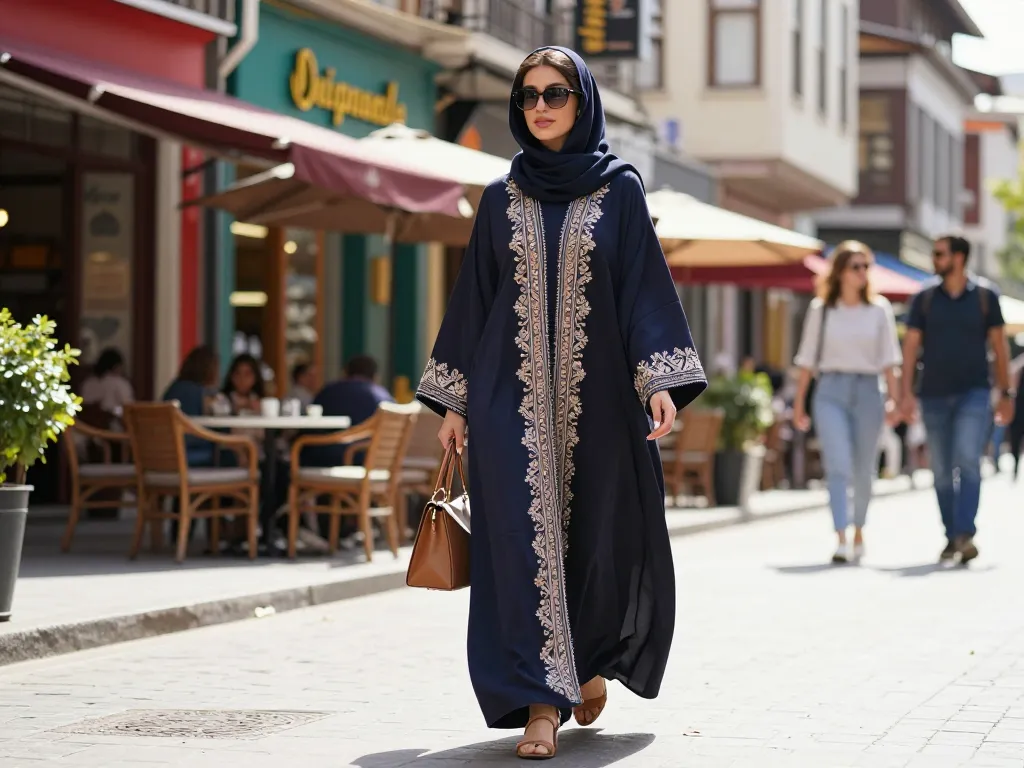
The Evolution of Turkish Abayas
Turkish abayas have traversed an impressive journey from their origins to becoming a global trend in modest fashion. Traditionally, an abaya is a long, flowing robe worn by Muslim women that embodies elegance and modesty while providing comfort and versatility. Over the years, the Turkish version of this garment has evolved through cultural exchanges, regional influences, and modern fashion sensibilities, resulting in unique styles that blend tradition with contemporary aesthetics. As we explore this fascinating evolution, it’s essential to recognize the socio-cultural factors that have shaped the designs and popularity of these garments, particularly in today’s globalized fashion landscape. When exploring options, Turkish abayas offer a rich diversity in design and quality for fashion-forward individuals.
The Historical Significance of Abayas
The history of abayas can be traced back to the Middle Eastern regions where modesty in attire became a cultural necessity. Initially, these garments were simple in design and primarily functional, serving the purpose of covering the body according to Islamic traditions. As time progressed, the significance of abayas transcended mere functionality, evolving into symbols of cultural heritage, personal expression, and community identity. In Turkey, the abaya has integrated elements from both traditional Ottoman attire and contemporary Western styles, making it a versatile choice for modern women.
Modern Trends in Turkish Abaya Fashion
In recent years, Turkish abayas have embraced a variety of trends reflective of current fashion movements. Designers have begun experimenting with fabrics, cuts, and embellishments, allowing for a broader range of aesthetics. From minimalist designs to intricate embroideries, Turkish abayas cater to varying tastes and occasions, whether for casual outings or formal events. The incorporation of vibrant colors and modern silhouettes has made these abayas not only traditional garments but also fashion statements, appealing to a younger demographic interested in modest yet stylish attire.
Iconic Designers Influencing the Market
Several designers and brands have emerged as leaders in the Turkish abaya market, shaping trends and standards for quality. Notable names such as Al Karam Qadri and Thenabia have influenced the industry with their unique interpretations of the abaya, combining cultural elements with modern practices. These designers emphasize craftsmanship, quality, and innovation, ensuring that each piece resonates with the contemporary woman while respecting traditional values. The impact of social media has also played a pivotal role in propelling these designers into the spotlight, allowing them to showcase their collections globally and connect with customers worldwide.
Choosing the Perfect Turkish Abaya
Finding the ideal Turkish abaya involves understanding various aspects, including fabric selection, sizing, and style preferences. With so many options available, it’s essential to navigate through the choices to ensure that you select a piece that not only meets your aesthetic preferences but also offers comfort and durability. Here are some crucial factors to consider when making your selection.
Understanding Fabric Types and Quality
The fabric used in Turkish abayas significantly impacts not only the garment’s appearance but also its comfort and longevity. Common materials include chiffon, silk, and cotton blends, each offering distinct advantages. Chiffon is lightweight and flowy, often chosen for its elegant drape, making it suitable for formal occasions. Silk, while luxurious, may require careful handling but provides a polished look. Cotton blends, on the other hand, are breathable and ideal for casual wear, ensuring comfort throughout the day. Always check for high-quality stitching and reliable craftsmanship to ensure your abaya withstands the test of time.
Size and Fit: How to Measure Correctly
When investing in a Turkish abaya, achieving the right fit is crucial for comfort and style. To ensure the perfect fit, start by taking accurate measurements of your bust, waist, hips, and preferred length. Most abayas are designed to be loose-fitting, but understanding your proportions will help you choose a size that flatters your silhouette. Additionally, consider how you plan to layer the abaya; you may require a smaller or larger size depending on whether you plan to wear it over a dress or other clothing.
Selecting Colors and Patterns for Every Occasion
Colors and patterns can dramatically alter the look and feel of your abaya. For formal events, consider opting for darker hues or subtle embroidery to convey elegance, while lighter colors or playful prints work well for casual outings or daytime events. Additionally, understanding color symbolism in different cultures can inform your choice, especially for specific occasions. For instance, white is often associated with purity and new beginnings, making it an excellent choice for celebrations like weddings. When selecting patterns, consider geometric designs or floral motifs that can enhance your personal style.
Styling Tips for Turkish Abayas
Styling your Turkish abaya can elevate your look, enabling you to express your personal style while remaining modest. The right styling techniques will help you make a statement while staying comfortable and chic.
Accessorizing Your Abaya: What Works Best?
Accessories play a vital role in transforming your Turkish abaya into a fashionable ensemble. Consider pairing your abaya with statement jewelry, such as bold earrings or layered necklaces, to add a touch of personal flair. A stylish belt can be incorporated to cinch the waist, creating a more tailored silhouette. Scarves, especially those that coordinate with your abaya, can also enhance your overall appearance while allowing for versatile styling options. Opt for bags that blend functionality with aesthetics; clutches or crossbody bags in complementary colors can add a polished touch.
Layering Techniques for All Seasons
Layering is an effective way to adapt your Turkish abaya for different seasons. During colder months, consider wearing a fitted turtleneck or long-sleeved top beneath your abaya for added warmth. Incorporating a tailored jacket or coat on top can also enhance the look while providing additional insulation. For warmer months, lightweight cardigans or kimonos are excellent options, allowing breathability without compromising style. Strategically layering can help you transition between various settings while keeping your outfit fresh and exciting.
Footwear That Complements Your Abaya Style
The right footwear can complete your look and enhance the overall aesthetic of your Turkish abaya. For formal occasions, opt for elegant heels or embellished sandals to add sophistication. In contrast, casual outings may call for stylish flats or chic sneakers that provide comfort without sacrificing style. When selecting shoes, consider the length of your abaya; ankle-length abayas pair well with open-toed footwear, while longer styles may require closed-toe options. Always aim for footwear that complements the color and style of the abaya, ensuring a cohesive overall look.
Where to Buy Turkish Abayas Online
The rise of eCommerce has made it easier than ever to shop for Turkish abayas from the comfort of your home. With numerous online retailers offering a vast range of styles and prices, it’s important to know where to find authentic products that meet your standards.
Top Online Retailers for Authentic Turkish Abayas
Some reputable online retailers specialize in Turkish abayas, ensuring that customers receive quality garments directly from trusted sources. Websites like Thenabia and HAWAA Clothing offer a wide selection of abayas that cater to different styles and budgets. These retailers often provide detailed product descriptions, sizing guides, and customer reviews to assist you in making informed purchasing decisions. Additionally, many brands have a strong social media presence that can provide insights into new arrivals and exclusive collections.
Comparing Prices: Quality vs. Cost
When purchasing Turkish abayas online, comparing prices is crucial to ensure you are getting value for your money. Higher prices often reflect better quality materials and craftsmanship, but careful research can help you find affordable options without compromising style. Look for sales, discounts, and promotions on various websites, and don’t hesitate to compare similar products across different platforms. This diligence will allow you to find the perfect abaya within your budget while securing a worthwhile investment.
Understanding Shipping and Return Policies
Before finalizing your purchase, review the shipping and return policies of online retailers to avoid any unpleasant surprises. Many stores offer free shipping on orders exceeding a certain amount, while some may have specific returns or exchange policies that could affect your experience. Knowing these details will help you manage your expectations and ensure a smooth shopping process, especially when purchasing internationally.
The Future of Turkish Abayas
As Turkish abayas continue to evolve, several trends are emerging that will shape their future within the fashion industry. Understanding these trends can help you stay ahead and make informed choices about your wardrobe.
Emerging Trends for 2026 and Beyond
The future of Turkish abayas is likely to reflect a blend of traditional craftsmanship with innovative design techniques. Expect to see more customizable options that allow consumers to express their unique styles, alongside the incorporation of advanced textiles that improve comfort and functionality. Sustainability is also expected to be a significant focus, with many designers harnessing eco-friendly materials that appeal to environmentally conscious consumers.
Ethical Fashion: Sustainability in Abaya Production
As the global fashion industry increasingly shifts toward sustainable practices, Turkish abaya production is anticipated to adopt ethical methodologies. This could involve supporting local artisans, reducing waste, and using sustainable fabrics. As consumers become more aware of the environmental impact of their purchases, brands that prioritize ethical production will likely attract a loyal customer base committed to promoting a positive change in the fashion landscape.
Community Impact: Supporting Local Artisans
Supporting local artisans will become increasingly essential as the market for Turkish abayas grows. By choosing to invest in handmade products from local craftsmen, consumers can contribute to the preservation of traditional techniques while helping to boost local economies. This support fosters a sense of community and appreciation for distinct cultural identities, which is vital for the future of modest fashion.