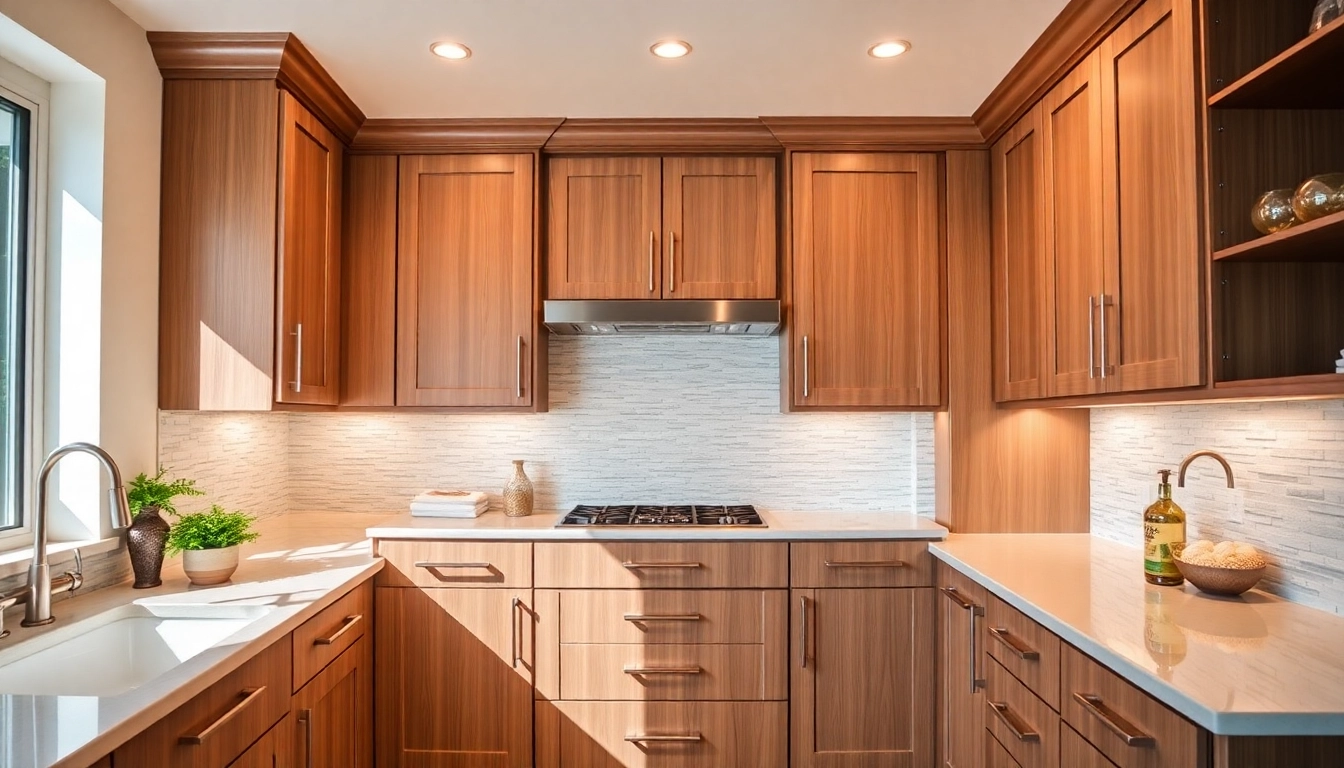
Understanding Cabinet Refacing Largo FL
What is Cabinet Refacing?
Cabinet refacing is a remodeling process that involves updating the exterior of your existing cabinets without replacing them entirely. This approach typically includes replacing the cabinet doors and drawer fronts, applying a new veneer or laminate to the cabinet boxes, and adding new hardware. It’s an efficient way to rejuvenate your kitchen or bathroom space at a fraction of the cost of complete cabinet replacement. If you’re considering a makeover for your cabinets, exploring Cabinet Refacing Largo FL services can be a great starting point.
Benefits of Cabinet Refacing
The benefits of cabinet refacing are manifold. First and foremost, it’s cost-effective. Instead of investing in entirely new cabinets, which can be a significant financial burden, refacing allows homeowners to achieve a refreshed look without the exorbitant expense. The process is also quicker; most refacing projects can be completed in just a few days, minimizing disruption to your daily routine.
Additionally, cabinet refacing offers a wide array of aesthetic options, allowing you to choose materials, colors, and finishes that align with your personal style. Environmentally conscious homeowners will appreciate that refacing reduces waste by keeping the cabinet boxes intact, thereby decreasing the amount of material sent to landfills.
Differences Between Refacing and Replacement
Understanding the distinctions between cabinet refacing and replacement can help you make an informed decision for your home. Cabinet refacing, as mentioned, focuses on the superficial aspects of your cabinets, rejuvenating their appearance while retaining the existing framework. On the other hand, cabinet replacement involves removing the old cabinets entirely and installing new ones, which can take significantly longer and involve higher installation costs.
Another key difference is the impact on kitchen functionality. Refacing does not usually alter cabinet configurations or layouts, which may be a drawback if you desire a different design or additional storage space. Conversely, replacement allows for customization of layout and functionality, catering to more extensive changes a homeowner might wish to achieve.
Choosing the Right Materials for Refacing
Types of Cabinet Materials
When it comes to cabinet refacing, the materials you choose play a crucial role in the overall outcome. Common materials include veneers, laminates, and solid wood. Veneers are thin sheets of wood that are glued onto the cabinet frames, offering a natural wood appearance at a reduced cost. Laminates, made of plastic, are available in a myriad of colors and patterns and are known for their resistance to scratches and stains.
Solid wood, although more expensive, provides durability and a premium look. It’s essential to select materials that not only match your design vision but also meet practical requirements such as resistance to warping or damage, especially in moist areas like kitchens and bathrooms.
Finishes and Color Options
The finish you choose for your newly refaced cabinets significantly impacts their aesthetic appeal and durability. High-gloss finishes can add modern elegance, while matte finishes tend to offer a more rustic or traditional look. In terms of color, popular choices range from classic whites and creams to bold hues that make a statement. It’s advisable to consider trends as well as your personal preferences, ensuring that the colors chosen will endure over time.
Durability Considerations
Durability is a critical factor to assess when selecting materials for cabinet refacing. The cabinet finishes should stand up to everyday wear and tear, especially in busy areas like the kitchen. Scratch-resistant finishes are advisable if you have pets or children. Additionally, waterproof laminates or treated wood are ideal for areas exposed to moisture. Prioritizing durable materials not only ensures longevity but also enhances the overall return on investment for your refacing project.
The Cabinet Refacing Process
Initial Consultation and Design Planning
The cabinet refacing journey begins with an initial consultation. During this stage, homeowners meet with design professionals to discuss style preferences, material choices, and budget considerations. It’s crucial to communicate your vision clearly to ensure that the design aligns with your functional needs and aesthetic desires.
After assessing the current condition of your cabinets, professionals will provide recommendations on styles and materials that would work best. Planning the design meticulously sets the foundation for a successful refacing project.
Installation Steps Explained
Installation of refaced cabinets typically follows a structured process to ensure quality results. Initially, the existing cabinet doors and hardware are removed. Next, the cabinet boxes are cleaned and prepped for the new veneer or laminate application. After the surface is adequately prepared, the new material is applied, followed by the installation of new doors, drawer fronts, and hardware. This process is generally quick, often completed in a few days, depending on the size of the project.
Throughout the installation, attention to detail is crucial to ensure alignment and finish quality. Experienced installers will manage the process carefully, adhering to best practices to achieve a polished look.
Post-Installation Care and Maintenance
Once your cabinets are refaced, maintaining their appearance is vital. Regular cleaning with gentle, non-abrasive cleaners will prolong the life of the finishes. It’s advisable to avoid harsh chemicals that can degrade surfaces. Additionally, routinely checking hardware for loose screws and repairing any minor damages immediately can assist in preserving the longevity of your cabinets.
Consider following a maintenance schedule to ensure your cabinets remain in pristine condition. This conscious approach will aid in protecting your investment and keeping your newly refaced cabinets looking fresh and inviting.
Cost Factors for Cabinet Refacing in Largo FL
Budgeting for Your Project
Budgeting is an essential aspect of planning your cabinet refacing project. The costs associated with refacing vary widely depending on factors such as cabinet size, material choices, and local labor rates. On average, homeowners can expect to spend significantly less on refacing compared to full cabinet replacement, making it an appealing option for those looking to upgrade their space economically.
It’s advisable to establish a clear budget upfront and maintain a contingency fund for unexpected expenses that may arise during the project. Having a financial plan will help streamline the process and keep you focused on your goals.
Quality vs. Cost: Finding the Balance
While staying within budget is crucial, it’s equally important not to sacrifice quality for lower costs. Investing in higher-quality materials can yield long-term benefits, such as improved aesthetics, durability, and performance. It’s worthwhile to conduct thorough research to identify trusted suppliers and professionals who can deliver quality results without excessive pricing.
Balancing quality and cost requires careful consideration of your specific needs and future goals for your space. Prioritizing what aspects are most important to you—in terms of both material quality and craftsmanship—can aid in making wise decisions.
Financing Options Available
Many homeowners exploring cabinet refacing options may find financing beneficial in managing project costs. Various financing options may include personal loans, credit lines, or specific financing programs offered by contractors. It’s essential to review and compare the terms of each option to select what best suits your financial situation. Understanding the terms can help you make an informed decision without imposing financial strain.
Additionally, consult with your refacing provider. Many reputable contractors offer flexible payment plans, enabling you to spread the expense over several months without compromising your financial stability.
Frequently Asked Questions
How long does cabinet refacing take?
Typically, cabinet refacing can be completed within a few days, depending on the size of the project. Initial consultations and design planning may take additional time.
Can I customize the design of my cabinets?
Yes, cabinet refacing allows for significant customization, including design, materials, colors, and finishes. Homeowners can achieve a personalized look while keeping the existing cabinet structure.
Is cabinet refacing suitable for all cabinet types?
While most cabinet types can be refaced, certain conditions such as structural damage or severe wear may necessitate replacement instead. It’s best to consult with professionals to assess your cabinets’ suitability for refacing.
What is the average cost of cabinet refacing?
The average cost of cabinet refacing can range from $3,000 to $9,000, depending on various factors such as cabinet size, materials, and labor costs. Custom options may influence the price further.
How can I maintain my newly refaced cabinets?
To maintain your refaced cabinets, clean them regularly with soft cloths and mild cleaners, avoid harsh chemicals, and check for loose hardware periodically to ensure long-lasting beauty and functionality.