
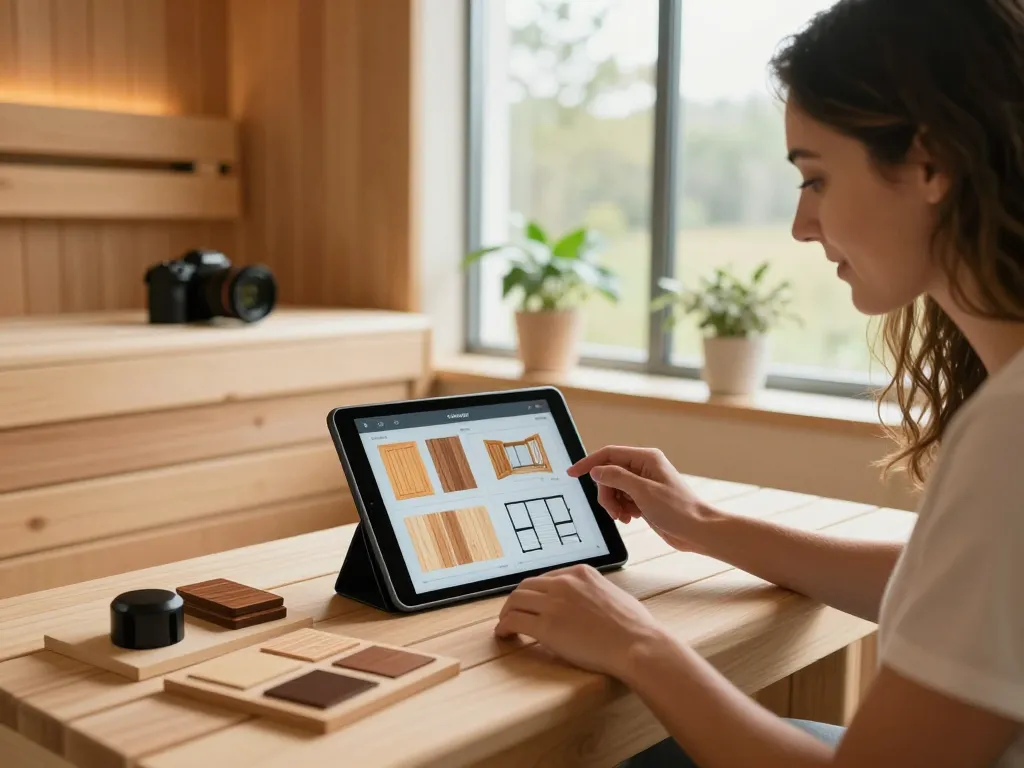
Understanding Sauna Customization Basics
Sauna customization is an essential aspect for anyone looking to create a personal retreat in their home. With the rapid evolution of wellness trends and home design, the demand for customized saunas has significantly increased. Tailoring a sauna to meet individual preferences not only enhances the relaxation experience but also contributes to the overall aesthetic and functionality of the space. When exploring options, sauna customization offers limitless possibilities, allowing homeowners to choose specific layouts, materials, and features that fit their unique needs.
What is Sauna Customization?
Sauna customization refers to the process of designing and building a sauna according to specific user preferences, space requirements, and lifestyle needs. This can include various elements such as the sauna’s size, shape, materials, heating systems, and additional features like lighting or sound systems. Customization ensures that the sauna not only serves its primary function of promoting relaxation and wellness but also complements the home’s design and the owner’s personal style.
Benefits of Customizing Your Sauna
- Personalization: Tailoring your sauna allows you to incorporate personal touches that resonate with your style, whether it’s the choice of wood, color schemes, or layout.
- Optimized Space Utilization: Custom saunas can be designed to fit any space, whether it’s a small corner or a spacious backyard, making efficient use of available areas.
- Enhanced Functionality: You have the freedom to choose features that enhance the sauna experience, such as aromatherapy options, ambient lighting, or even advanced heating technologies.
- Increased Property Value: A well-designed, customized sauna can significantly increase the value of your home, making it an attractive feature for potential buyers.
Key Elements to Consider in Design
When customizing your sauna, consider the following elements to ensure an optimal design:
- Size: Determine how many people will typically use the sauna to decide on the space needed.
- Type of Heating: Choose between traditional wood-burning stoves or modern electric heaters based on your preferences and maintenance capabilities.
- Material Selection: Select high-quality materials such as cedar, hemlock, or spruce that provide durability and aesthetic appeal.
- Ventilation: Plan for proper airflow to enhance the sauna experience and regulate temperature efficiently.
Popular Sauna Styles and Configurations
Traditional vs. Modern Sauna Designs
When it comes to sauna styles, there are typically two main categories: traditional and modern. Traditional saunas, often characterized by their wooden interiors and wood-burning stoves, capture the authentic essence of sauna culture. On the other hand, modern saunas incorporate sleek designs and advanced technology, allowing for features such as infrared heating and smart control systems. Choosing between these styles often depends on personal taste and the desired ambiance of the sauna environment.
Size Considerations for Your Custom Sauna
Size is a crucial factor in sauna customization. Standard options typically range from single-person to larger family-sized saunas. It’s essential to consider how the sauna will be used—whether for solitary relaxation, family gatherings, or social events. Additionally, the dimensions of the space where the sauna will be installed must be measured accurately to ensure a perfect fit.
Essential Features and Amenities for Modern Saunas
Modern saunas can include a variety of features that enhance the user experience. Some popular amenities include:
- Aromatherapy Systems: Infusing essential oils can elevate relaxation levels and provide therapeutic benefits.
- Bluetooth Sound Systems: Enjoy music or podcasts while you unwind, adding a personalized touch to your sauna sessions.
- LED Lighting: Adjustable lighting can create the perfect mood, allowing you to set the ambiance according to your preference.
- Digital Controls: Smart technology facilitates precise temperature regulation and easy monitoring of sauna sessions.
Choosing Materials for Your Sauna Customization
Types of Wood Used in Sauna Construction
The choice of materials plays a pivotal role in the sauna’s appearance and functionality. Common types of wood used include:
- Cedar: Known for its resistance to moisture and beautiful aroma, cedar is a popular choice for sauna construction.
- Hemlock: This wood is less aromatic than cedar but is equally durable, making it a great alternative.
- Spruce: Economical and lightweight, spruce is often used for interior finishes in saunas.
Importance of Insulation and Ventilation
Proper insulation is essential for maintaining the desired temperature within the sauna while conserving energy. High-quality insulation materials help to minimize heat loss, making the sauna more energy-efficient. Additionally, adequate ventilation is critical to ensure a consistent supply of fresh air, which contributes to a comfortable environment and controls humidity levels.
Eco-friendly Options for Sustainable Saunas
With growing awareness of environmental concerns, many homeowners are opting for eco-friendly materials and technologies in their sauna customization. Sustainable wood sourced from responsibly managed forests, energy-efficient heating solutions, and non-toxic finishes can contribute to a greener sauna. These choices not only benefit the environment but also enhance the overall healthiness of the sauna experience.
Step-by-Step Guide to Customizing Your Sauna
Planning Your Sauna Layout and Functionality
Effective planning is essential in the initial stages of sauna customization. Consider factors such as:
- Available space and dimensions
- Type of heating and insulation
- Number of users and desired features
Sketching out the layout in detail can help visualize the space and ensure proper functionality.
Working with Professional Sauna Builders
Partnering with experienced sauna builders can significantly streamline the customization process. Professional builders can offer valuable insights into materials, design options, and installation techniques. They can also ensure that the construction adheres to local building codes and regulations, guaranteeing the safety and longevity of your sauna.
DIY Sauna Customization: Tips and Tools
For those inclined towards a hands-on approach, DIY sauna customization is an achievable project. Here are some tips for success:
- Research: Gather information on materials and design techniques before starting the project.
- Use Quality Tools: Ensure you have the appropriate tools for cutting, assembling, and finishing the sauna.
- Follow Safety Guidelines: Prioritize safety by adhering to proper construction protocols, especially when installing electrical components.
Future Trends in Sauna Customization for 2026
Smart Technology Integration in Saunas
As technology continues to advance, smart home integration will play a significant role in sauna customization. Features such as app-controlled heating and humidity levels, as well as smart lighting systems, will enhance the user experience and provide greater convenience.
Health and Wellness Innovations in Sauna Design
Innovations in health and wellness will influence sauna design, with increased focus on features that promote physical and mental well-being. This may include infrared technology for deep tissue relaxation and options for therapeutic treatments like chromotherapy.
Emerging Design Aesthetics and Themes
As consumer preferences evolve, so do design aesthetics. Emerging themes may incorporate minimalist designs with natural elements, eco-friendly finishes, and multifunctional spaces that blend seamlessly into home environments. The focus will be on creating a calming sanctuary that encourages relaxation and wellness.
What are the common materials for sauna customization?
Common materials used in sauna customization include different types of wood like cedar, hemlock, and spruce, all chosen for their durability and aesthetic appeal. Other materials may include various insulation options to enhance energy efficiency and eco-friendly finishes to promote sustainability.
How can I make my sauna more energy-efficient?
To improve energy efficiency, invest in high-quality insulation, opt for energy-efficient heating systems, and ensure proper ventilation. Smart thermostats can also assist in maintaining optimal temperatures without excessive energy consumption.
What features should I include for a family sauna?
For a family sauna, consider including additional space for multiple users, child-friendly features, and safety elements such as non-slip flooring. Features like Bluetooth sound systems and adjustable lighting can also enhance the family experience.
Are there DIY options for sauna customization?
Yes, DIY sauna customization is an option for those with the right skills and tools. Many companies offer sauna kits that come with pre-cut materials, making it easier for homeowners to assemble their sauna according to their design specifications.
What are the latest trends in sauna design for 2026?
Latest trends include smart technology integration, enhanced health and wellness features, and a focus on creating calming, natural aesthetics that blend seamlessly into home environments. Eco-friendly materials and innovative design ideas will continue to shape the future of sauna customization.