
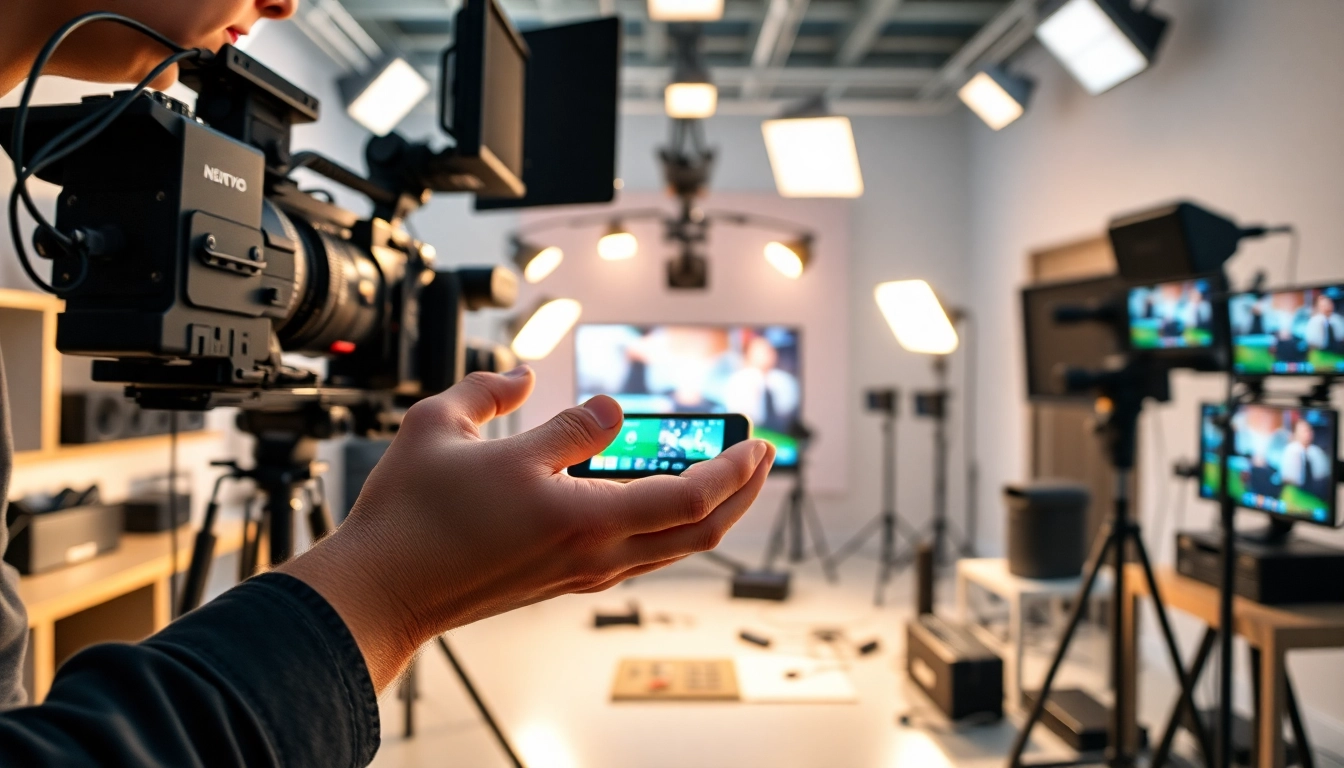
The Importance of Product Demonstrations
In an increasingly competitive marketplace, businesses strive to capture the attention of potential customers in a bid to present both their brand and products effectively. One of the most impactful methods to achieve this is through Product demonstrations. These visual presentations are essential in showcasing a product’s capabilities, features, and benefits while directly engaging your audience.
Understanding Viewer Engagement
Viewer engagement is crucial for any successful marketing strategy. A well-executed product demonstration captivates attention, holding the viewer’s focus and enabling them to understand the product better. Engagement can be measured through various metrics, including the duration of watch time, interaction levels (likes, comments, shares), and follow-up conversions. By harnessing the power of visual storytelling, brands can evoke emotions, trigger curiosity, and foster a connection that heightens interest in their offerings.
Building Trust with Your Audience
Trust is the cornerstone of customer loyalty. Customers are more inclined to purchase from brands they trust, and product demonstrations serve as a conduit for establishing credibility. By transparently displaying a product’s features and benefits, brands can eliminate uncertainty and build confidence among potential buyers. Addressing potential concerns and inquiries during demonstrations reassures customers of their decision-making process, enhancing brand reputation and fostering long-term relationships.
Demonstrating Value Clearly
Value proposition lies at the heart of every successful marketing strategy. Effective product demonstrations highlight the unique selling points (USPs) that differentiate your product from competitors. By illustrating how the product solves specific problems or improves the customer’s life, brands create tangible value. This clarity not only helps potential buyers make informed decisions but also resonates with their individual needs and preferences, leading to higher conversion rates.
Types of Product Demonstrations
Live vs. Pre-Recorded Demonstrations
Product demonstrations can be categorized into two primary formats: live and pre-recorded. Live demonstrations offer real-time interaction, allowing viewers to ask questions and receive immediate feedback. This format creates an engaging experience, often leading to a higher emotional investment from the audience. On the other hand, pre-recorded demonstrations provide a polished and edited presentation, ensuring that the key messages are delivered in a concise and visually appealing manner. Each format has its own advantages; the choice depends on the target audience and marketing goals.
Interactive Demonstrations to Boost Interest
Interactive demonstrations take product showcasing to the next level by involving the audience actively in the experience. This could range from virtual reality (VR) experiences that allow users to explore the product firsthand, to interactive web features where users can manipulate product parameters to see how they function. Such engagement not only boosts interest but also encourages viewers to spend more time with the content, increasing retention rates and brand recall.
Using Customer Testimonials Effectively
Incorporating customer testimonials within product demonstrations can significantly enhance their effectiveness. Real-life experiences from satisfied customers lend authenticity to the presentation, allowing potential buyers to relate to the product on a personal level. Testimonials can highlight specific benefits and provide relatable endorsements of the product’s utility, thus reinforcing the brand’s credibility and building a compelling case for purchase.
Best Practices for Effective Product Demonstrations
Preparing Your Script and Presentation
A thorough preparation phase is critical for delivering an impactful product demonstration. Draft a comprehensive script that not only outlines the flow of the demonstration but also highlights key messages to communicate. Including hooks at the beginning can capture interest immediately while a strong closing can spur action. Additionally, practicing the delivery aids in smooth execution, preventing unnecessary hesitations or miscommunications during the live event.
Choosing the Right Technology and Equipment
Effective product demonstrations rely heavily on technology and equipment to present the content in the best possible light. High-quality audio and visual tools enhance the viewer experience, ensuring that the audience can see and hear everything clearly. It’s important to invest in reliable equipment and, if necessary, seek professional help to ensure quality standards are met. The right technology also extends to streaming platforms and presentation software that can seamlessly host the demonstrations.
Incorporating Storytelling Techniques
Storytelling is an invaluable technique in marketing, and it can be instrumental in structuring product demonstrations. Narratives help contextualize the product within a real-world scenario, allowing viewers to visualize its application and benefits. Engaging storytelling can evoke emotions, making the demonstration more memorable. Craft a storyline that resonates with your audience, highlighting how the product meets their needs or enhances their lives.
Common Challenges in Product Demonstrations
Overcoming Technical Difficulties
Technical difficulties can derail a product demonstration, leading to frustration for both presenters and viewers. To mitigate this risk, thorough testing of all equipment and technology before the event is crucial. Having backup devices on hand can also save the presentation in case of unforeseen issues. Additionally, being prepared with a Plan B — such as reverting to a pre-recorded version if the live setup fails — can maintain the flow of the presentation.
Engaging a Distracted Audience
In an age filled with distractions, keeping an audience engaged can be challenging. To combat this, presenters should be dynamic and active in their delivery, encouraging audience interaction. Use strategies such as asking questions, conducting polls, or incorporating gamified elements to capture interest. Regularly checking in with the audience for feedback or adjustments can foster a collaborative atmosphere that holds their attention.
Adapting to Feedback During Live Events
Live demonstrations present an opportunity for immediate feedback, but it also requires presenters to be adaptable. Preparing to pivot based on audience reactions is vital. Encouraging questions and being responsive to them can enrich the demonstration and enhance engagement. Staying alert to the audience’s mood and adaptively addressing their cues can create a more personalized experience.
Measuring the Impact of Your Product Demonstrations
Key Metrics to Monitor
To assess the effectiveness of product demonstrations, you should monitor several key metrics. Metrics such as viewer engagement time, conversion rates, audience interaction rates, and post-event surveys can provide invaluable insights. Analyzing these metrics allows brands to gauge how well the demonstration resonated with the audience and if it successfully drove interest and sales.
Using Feedback for Improvement
Feedback collected from viewers after the demonstration can serve as a goldmine for improvement. Utilize tools such as surveys or social media listening to gather insights into what worked, and what could be enhanced. Understanding viewer perceptions informs future presentations, making them more targeted and effective. This iterative process strengthens the overall strategy and customer satisfaction.
Adjusting Strategies Based on Analytics
Utilizing analytics tools can offer a comprehensive view of performance metrics. Monitoring changes in viewer behavior, such as drop-off points during demonstrations or engagement spikes at specific sections, can inform adjustments to future strategies. Continuous optimization, grounded in analytical insights, ensures that product demonstrations evolve and remain relevant, thus enhancing overall marketing effectiveness.
Frequently Asked Questions
What is a product demonstration?
A product demonstration is a presentation showcasing the features, benefits, and applications of a product to engage potential customers and drive sales.
Why are product demonstrations important?
They help to capture audience attention, build trust, demonstrate value, and ultimately guide customers toward making informed purchasing decisions.
How can I make my product demonstrations more engaging?
Incorporate interactive elements, storytelling techniques, live Q&A sessions, and high-quality visual and audio aids to captivate your audience.
What are common challenges in product demonstrations?
Technical difficulties, audience distractions, and adapting to real-time feedback are some of the common challenges faced during product demonstrations.
How can I measure the success of my product demonstrations?
By monitoring metrics such as viewer engagement time, conversion rates, audience interaction, and collecting post-event feedback to assess effectiveness.