
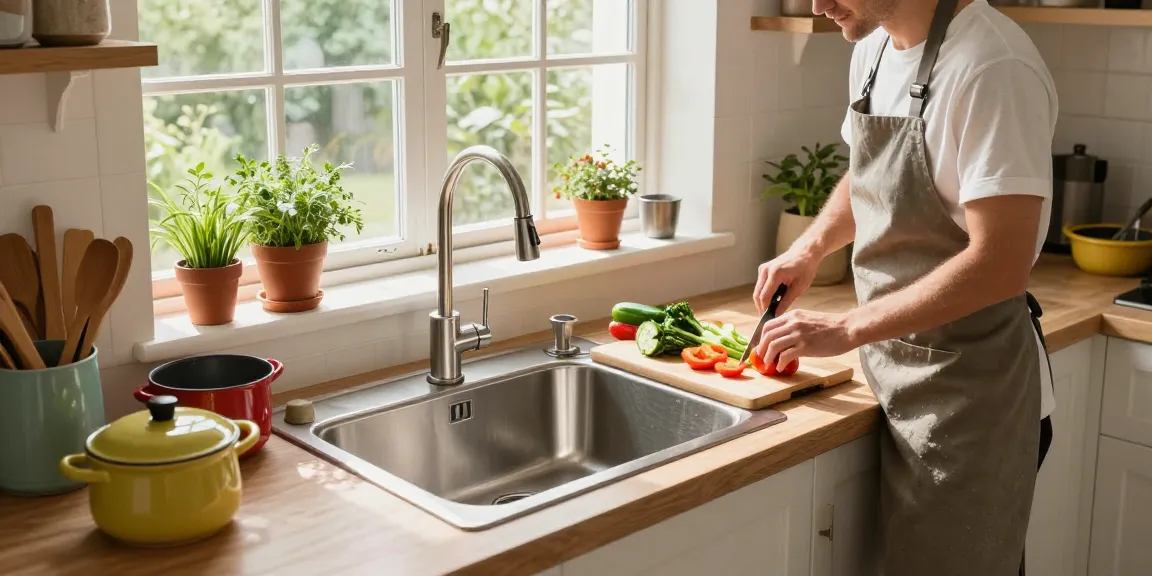
The Benefits of Choosing a Kitchen Sink in Stainless Steel
When it comes to outfitting your kitchen, selecting the right sink is as crucial as choosing your countertops or appliances. Among the myriad of choices available, the kitchen sink in stainless steel stands out for its combination of durability, aesthetic appeal, and functionality. This article delves into why stainless steel sinks have become a top choice for modern kitchens, examining their benefits, various types, installation tips, maintenance strategies, and future design trends.
Why Stainless Steel Is the Material of Choice
Stainless steel is revered in kitchen design for several compelling reasons. First, its resistance to rust, corrosion, and stains makes it ideal for the high-traffic areas of any kitchen. Unlike other materials, stainless steel does not chip or crack easily, which means it can endure the daily wear and tear of cooking, cleaning, and frequent use.
Another factor contributing to the popularity of stainless steel sinks is their sleek, modern look. They easily complement a variety of kitchen styles, from contemporary to industrial, adding an element of sophistication without overpowering other design features.
Durability and Longevity of Stainless Steel Sinks
One of the standout features of stainless steel sinks is their extraordinary durability. High-quality stainless steel is typically classified by its gauge, with lower numbers indicating thicker, more robust materials. A 16-gauge sink is an excellent choice for residential kitchens, as it balances weight and resilience, ensuring that it withstands not just the rigors of daily use but also potential accidental impacts.
Moreover, a well-maintained stainless steel sink can last for decades, offering excellent value compared to other materials that may require replacement sooner due to wear or damage.
Design Versatility: A Perfect Match for Any Kitchen Style
The versatility of stainless steel sinks extends beyond their durable nature. They are available in various designs and finishes, allowing homeowners to find the perfect match for their unique kitchen aesthetic. Whether you prefer a polished, mirror-like finish or a brushed, matte appearance, stainless steel sinks can enhance your kitchen’s overall look.
Furthermore, their neutral tones blend seamlessly with various countertops and cabinetry, making them a favored choice among interior designers and homeowners alike.
Types of Kitchen Sinks in Stainless Steel
Exploring Single vs. Double Bowl Sinks
One of the first decisions to make when selecting a stainless steel sink is whether to choose a single or a double bowl design. Single bowl sinks offer a large, uninterrupted space, making them ideal for washing larger pots and pans. They are a great fit for minimalist kitchens where simplicity is key.
On the other hand, double bowl sinks provide versatility, allowing for multitasking; for instance, one bowl can be used for washing dishes while the other can be used for food prep. This design suits busy kitchens where efficiency is essential.
Understanding Undermount, Drop-in, and Apron-Front Styles
Stainless steel sinks come in multiple installation styles. Undermount sinks are installed under the countertop, providing a seamless look that is easy to clean. Drop-in sinks, the traditional choice, rest on top of the counter and are straightforward to install.
Apron-front sinks, known for their distinctive front-facing design, are not only visually striking but also functional, making them popular in farmhouse-style kitchens. Each style has its benefits and can significantly impact the overall functionality and look of your kitchen.
Choosing the Right Size for Your Kitchen Space
The size of your stainless steel sink is crucial, not just for aesthetics but also for practicality. A standard kitchen sink typically ranges from 22 to 33 inches in width, but there are various sizes available to fit any kitchen layout. Before making a purchase, consider the available space in your kitchen to ensure the sink complements your design without overwhelming it.
Installation Tips for Stainless Steel Kitchen Sinks
Necessary Tools and Equipment for Installation
Installing a stainless steel sink can be a rewarding DIY project. However, having the right tools is essential for ensuring a smooth installation process. Key tools include a wrench, screwdriver, level, silicone sealant, and a plumbing kit. If you’re opting for an undermount sink, you’ll also need mounting clips and possibly a sink support.
Step-by-Step Installation Guide
Here’s a simplified step-by-step guide for installing your stainless steel kitchen sink:
- Preparation: Shut off water supply and disconnect the existing sink.
- Template Creation: If installing an undermount sink, outline the sink’s perimeter on the countertop.
- Cutting the Countertop: Carefully cut the opening in the countertop according to the template.
- Mounting the Sink: For undermount, attach mounting clips; for drop-in, place the sink into the hole.
- Seal and Connect: Apply silicone sealant and reconnect plumbing.
- Final Adjustments: Ensure the sink is level and operate the water supply to check for leaks.
Hiring a Professional vs. DIY Installation
While many homeowners feel confident in their ability to install a stainless steel sink, others may prefer the reliability of hiring a professional. Consider your skill level and the complexity of the installation before making a decision. Professional installation can ensure proper fitting and function, especially with advanced styles like undermounts or apron-front sinks.
Maintaining Your Stainless Steel Sink for Longevity
Best Practices for Cleaning and Care
To keep your stainless steel sink looking pristine, regular cleaning is essential. A simple solution of warm water and mild soap can effectively remove food particles and grease. For more stubborn stains, a mixture of baking soda and water works wonders without scratching the surface.
It’s crucial to avoid harsh chemicals and abrasive cleaners, as they can damage the sink’s finish. Instead, opt for specialized stainless steel cleaners that can enhance shine and offer protection against water spots.
Common Issues and How to Solve Them
Despite their durability, stainless steel sinks can occasionally encounter issues, such as scratches or dullness. Small scratches can often be buffed out using a soft cloth and a metal polish, while dullness can be restored with a gentle polish specifically designed for stainless steel.
Should you notice persistent stains or discoloration, consider consulting with a professional for deeper cleaning solutions.
Protective Accessories to Consider for Your Sink
To prolong the life of your stainless steel sink, consider investing in protective accessories like sink grids or mats. These items can prevent scratches and dents from pots and pans, while also providing a cushion for delicate items.
Additionally, sink strainers can help keep your plumbing clear by catching food particles, preventing clogs, and ensuring easy maintenance.
Future Trends in Kitchen Sink Designs for 2026
Innovative Materials and Technologies on the Horizon
As we move toward 2026, kitchen sink design is set to evolve with innovative materials such as composite sinks that combine the durability of stainless steel with the aesthetic appeal of other materials. Additionally, advancements in manufacturing technologies may introduce sinks with built-in features that enhance functionality while maintaining a sleek appearance.
Eco-Friendly Options: Sustainability in Kitchen Design
Consumers are increasingly focused on sustainability, leading to a rise in eco-friendly sink options. Manufacturers are exploring ways to use recycled materials in their production processes, providing an environmentally conscious choice for homeowners committed to responsible living.
Smart Features: Integrating Technology into Your Kitchen Sink
The integration of technology into kitchen design is a growing trend. Expect to see stainless steel sinks equipped with smart features, such as touchless faucets, built-in water filtration systems, and even sensors that help monitor water temperature. These innovations not only enhance convenience but also improve the kitchen’s overall functionality.
What are the advantages of a stainless steel kitchen sink?
Stainless steel sinks offer a combination of durability, aesthetic flexibility, and ease of maintenance, making them highly practical for any kitchen. Their resistance to stains, heat, and corrosion provides longevity and reliability.
How do I maintain a stainless steel sink?
Regular cleaning with mild soap and warm water, along with the use of protective mats or grids, can significantly extend the life of a stainless steel sink. Avoid abrasive cleaners to keep the sink’s surface unmarred.
Can I install a stainless steel sink myself?
Yes, with the right tools and a bit of DIY knowledge, many homeowners can install a stainless steel sink themselves. However, if unsure, hiring a professional can ensure a proper fit and finish.
What styles of stainless steel sinks are available?
Stainless steel sinks are available in a variety of styles, including single bowl, double bowl, undermount, drop-in, and apron-front. Each style caters to different kitchen needs and aesthetics.
Are stainless steel sinks prone to scratches?
While stainless steel sinks are relatively resistant to scratches, they are not entirely scratch-proof. Using protective accessories and avoiding harsh abrasive cleaners can help maintain their surface integrity.